Importance of Outdoor Games for Children's Growth and Wellbeing
Written by Tarishi Shrivastava | August 5, 2025
What Counts as Outdoor Play?
Outdoor play includes structured games, free play, nature play, and active family time. It can range from organised sports and cycling to exploring a park, playing tag, walking with family, or simply running and playing freely.
Benefits of Outdoor Games for Children
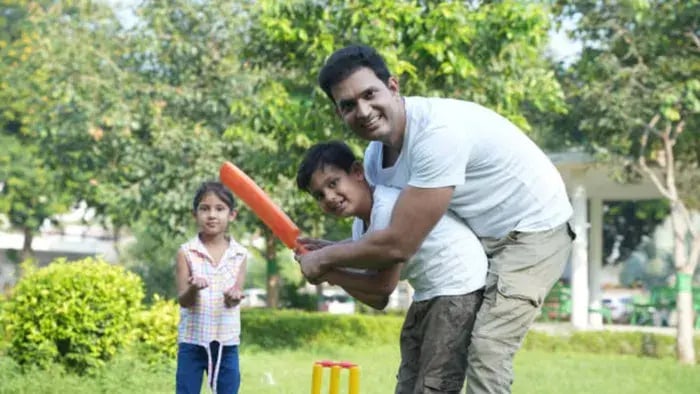
Playing outside does more than just burn energy. It shapes your child’s body, mind and spirit. Whether it’s running barefoot in the garden, riding a bike in the street or playing cricket with the neighbourhood gang, outdoor games create happy memories and essential life skills. Kids aren’t just having fun – they’re building stronger muscles, better focus, emotional balance and social skills. These play moments can be some of the most powerful tools for healthy development.
Here are 7 reasons why outdoor games are so important for your child’s growth and overall well-being.
Physical Development
According to a study published in Bioinformation. 2022, outdoor games involve running, jumping, balancing and throwing - movements that build muscle, bone strength and stamina. When your child plays outside regularly, they develop better coordination, flexibility and endurance. These activities support natural growth and lay the foundation for a healthy life.
Cognitive and Learning Benefits
When kids play outside, their minds get a break from structured thinking. According to a study published in Porto Biomed J. (2017), this freedom to move improves blood flow to the brain and sharpens memory and concentration. Kids who play outside often come back to schoolwork with a clearer head and better attention span.
Teaches Social Skills
Outdoor games often involve teams or partners, so kids get to communicate, collaborate and handle winning and losing. According to the International Journal of Research and Review, these early experiences in managing emotions and working with others help them become more empathetic, patient and socially confident.
Emotional Wellbeing
When kids are upset or overwhelmed, outdoor play is a safe way to release energy and emotions. According to a study published in, Bioinformation. 2022, playing outside lifts their mood, reduces anxiety and helps them feel calm and steady again. Even a short time outside can improve a child’s emotional well-being.
Creativity and Problem Solving
Unlike indoor games that are often rule-based or screen-focused, outdoor play lets your child invent, imagine and think on their feet. Whether it’s turning sticks into swords or building an obstacle course with garden chairs, unstructured outdoor play encourages creativity and problem-solving.
Confidence and Resilience
Outdoor games involve taking risks, trying new things and sometimes failing. According to UNESCO, these experiences teach children how to bounce back from setbacks and build confidence in themselves. Climbing a tree, scoring a goal or learning to ride a bike gives a sense of achievement and independence.
Connection with Nature
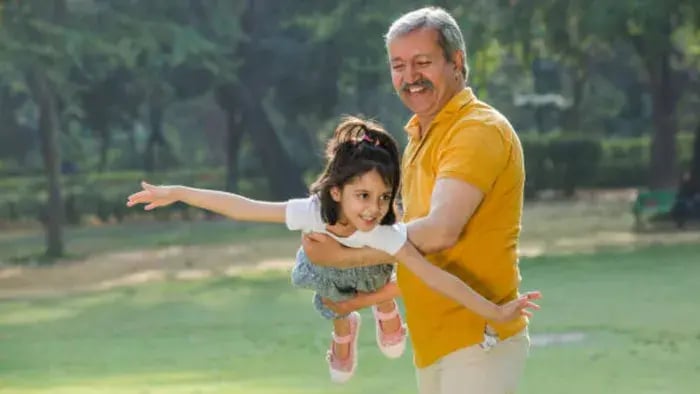
Regular outdoor play helps your child connect with the natural world. According to UNICEF, they learn to appreciate the seasons, observe animals and understand how the environment works. This connection fosters curiosity, responsibility and a lifelong love of nature and the outdoors.
Outdoor Games by Age Group
Toddlers and Preschoolers
Young children can enjoy simple activities such as running, chasing bubbles, ball games, climbing, jumping, balancing, and playground play. Make sure that keep activities playful and age-appropriate.
Ages 6–9
Children can try cricket, football, cycling, skipping, tag, relay races, badminton, and treasure hunts. These games can build movement skills while encouraging cooperation and social interaction.
Ages 10+
Older children can participate in team sports, cycling, swimming, running, skating, hiking, and more organised outdoor games. Let them choose activities that match their interests and abilities.
How Much Outdoor Activity Do Children Need?
- Outdoor play can contribute to children's overall physical activity, although guidelines focus on total movement rather than outdoor time specifically.
- Children aged 3–5 should be active throughout the day, while those aged 6–17 should get at least 60 minutes of moderate-to-vigorous physical activity daily.
- Activities should include a variety of aerobic, muscle-strengthening, and bone-strengthening movements.
How Parents Can Encourage More Outdoor Play
- Set aside regular outdoor playtime as part of the family routine.
- Join children for walks, cycling, ball games, or races.
- Offer a variety of age-appropriate activities instead of focusing only on competitive sports.
- Visit parks, playgrounds, or other safe outdoor spaces.
- Let children choose games they enjoy to make regular activity easier to maintain.
Outdoor Play Safety Checklist
- Weather: Avoid extreme heat, storms, poor air quality, or unsafe weather conditions.
- Hydration: Carry enough drinking water, especially during active play and warm weather.
- Supervision: Keep younger children within appropriate adult supervision.
- Suitable spaces: Choose safe, well-maintained playgrounds, parks, and playing areas.
- Protective gear: Use helmets, pads, or other suitable equipment for activities such as cycling and skating.
Conclusion
Outdoor games are more than just fun activities; they’re essential to growing up healthy and happy. When your child plays outside, they’re not just stretching their legs; they’re learning life skills that will shape their future. From stronger bodies to brighter minds and better moods, every game played under the sun is an investment in their well-being. Make outdoor play a part of your child’s daily routine, and you’ll see the difference in how they move, think and feel every day.
Frequently Asked Questions
Why are outdoor games important for children?
Outdoor games support physical fitness, movement skills, social interaction, emotional wellbeing, and opportunities for children to explore and learn through play.
Can outdoor play improve concentration?
Regular physical activity is associated with cognitive benefits, including attention, memory, and learning, in children and adolescents.
What are simple outdoor games for small spaces?
Try ball tossing, skipping, hopscotch, balloon-free relay games, treasure hunts, tag, balancing activities, or simple movement challenges.
References