




 Parenting Guide


 Child Health & Growth


 Learning & Skills Development


 Food & Nutrition


 Bournvita






Introduction
Following a good hygiene routine is mandatory for everyone. Learning about various hygiene habits is crucial for children during puberty to maintain their hygiene and well-being.
It is a common scenario in every household that parents do not ensure that the child knows the true reason for staying hygienic scientifically. Most of the children miss out on the various reasons why staying hygienic is important for well-being. Many of them only think of it as an obligation because their parents nag them to do so.
Children need to learn about such hygiene habits, especially in puberty, as they undergo various body changes. Keep reading to learn more about hygiene habits and the importance of helping the child navigate better hygiene practices during puberty.
Why Is Puberty the Right Time to Build Lifelong Hygiene Habits?

The body is most active and changes the fastest during puberty. And it’s also a great time for kids to take ownership of their healthy hygiene habits for the very first time. Children ages 9-14 are the most receptive to learning self-care routines. Boys usually begin between the ages of 9 and 16. Healthy hygiene habits start young; give children a healthy, confident start. These habits influence their health and well-being for years to come. Puberty hygiene isn’t about shame; it’s about self-care. Parents are a vital part of this important transition.
What Happens to the Body During Puberty — and Why It Changes Hygiene Needs?
Puberty is when many important hormonal changes happen to the body. These changes impact a child’s routine hygiene needs. The oil glands in the body become more active and produce more sebum. During this phase, the sweat glands also increase their output considerably. It is completely normal for girls to have a discharge. This is caused by hormonal changes . These changes mean that the old soap-and-water routine of childhood is no longer adequate. Increased production of sweat can lead to a more noticeable body odor. As a child enters this stage of life, there are dramatic changes in puberty hygiene needs. Understanding these changes helps parents to guide their children with confidence. Healthy hygiene habits must be adapted to the new demands of the body.
Why Good Hygiene During Puberty Builds Confidence, Not Just Cleanliness
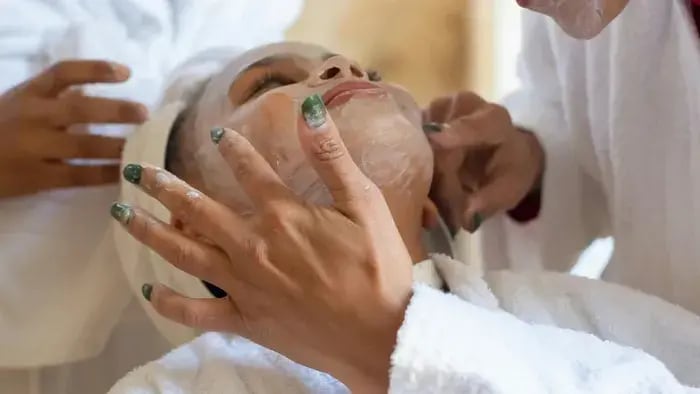
Puberty hygiene doesn’t just mean keeping the body clean. It actively develops confidence, self-esteem, and emotional well-being. Four key reasons why healthy hygiene habits matter during puberty.
1. Stops Body Odor and Skin Infections: During puberty, hormones change, and this causes a dramatic increase in oil and sweat production. Without good hygiene , bacteria can grow and cause skin infections . These are common but preventable problems that are effectively prevented by good hygiene practices.
2. Develops self-esteem and social confidence: As children enter into adolescence, they become more aware of their peers. They feel clean and fresh and confident when they are with their friends. Keeping clean during puberty is a direct factor in the social well-being of a child.
3. Encourages Healthy Habits for a Lifetime: What your teen learns to do now can stick with them for years to come. These habits form the basis for a healthy adult lifestyle. The AAP says starting habits early has long-term health benefits.
4. Lowers Risk of UTIs and Skin Infections: Girls who have new discharge are particularly prone to infections. Practicing good healthy hygiene habits significantly reduces the risk of UTIs. Cleanliness is the best health guard from the inside out.
Essential Hygiene Habits for Kids During Puberty
These practices form the basis of good puberty hygiene. All of them contribute to the health, comfort, and confidence of growing kids. Parents should teach these healthy habits of hygiene often and early.
1. Change Underwear and Inner Clothes Daily
In puberty sweat glands produce a lot more moisture on a daily basis. Natural secretions are also increased so underwear absorbs more during the day. It’s important to change your underwear daily to prevent bacterial build-up on the skin. It is highly recommended to change twice a day after physical activity.
2. Menstrual Hygiene for Girls
Menstruation is the shedding of the uterine lining . It is totally natural . It is a healthy part of every girl's development and growth. Girls can start their period as early as 9 years old. Preparation for healthy menstrual hygiene habits should begin long before that. Change the sanitary pad every four to six hours without fail.
3. Body Hair Care
Body hair growth is a normal part of puberty for all children. All hair bearing areas require simple, consistent care and attention. Wash underarm hair thoroughly with soap and water daily. Using a deodorant on your armpits is a safe and effective way to control odour.
4. Daily Bathing and Showering — How Often and What to Use
Daily showering is highly recommended for all children during puberty. The sweat glands are very active in this phase of development. Use a gentle fragrance-free body wash for bathing. Scented soaps can irritate skin that is newly sensitive in puberty. Be sure to pay special attention to your underarms, groin, and feet. Sweat glands are dense on the back of knees, which need cleansing. Always dry the body well after every bath or shower.
5. Deodorant and Managing Body Odour — When to Start and What to Use
Body odor is caused by bacteria interacting with sweat during puberty. This is completely normal and not a sign of uncleanliness at all. Children can start wearing deodorant as soon as they can smell underarm odor. This usually happens between the ages of nine and twelve years.
How to Talk to Your Child About Puberty Hygiene Without Awkwardness

Talking about puberty hygiene early on can make a huge difference that lasts. Parents have four practical strategies to help make these conversations easier.
1. Start Early: Get the conversations going before the physical changes have begun. A good comfortable starting point is age 8 or 9 or so. Have these important conversations when it’s low pressure, calm. Don’t bring it up in an argument or after school complaints.
2. Language that is body positive: Every body change is healthy biology, not something to be ashamed of. Matter-of-fact language dispels fear and creates understanding. “Good hygiene habits should be a natural part of growing up that feels positive.
3. Conversations Apart Where needed: Same-gender parent comfort makes some topics easier to discuss. Menstruation and shaving are better discussed with a parent of the same gender. This way the children feel understood and supported all the way through.
4. Suggest useful books: “The Care and Keeping of You” is wonderful for girls experiencing puberty. "Guy Stuff is a helpful and relevant resource for boys. Both books are available in India and are good conversation starters. These materials contain puberty hygiene information appropriate for their age.
Conclusion: Building Puberty Hygiene Habits That Last a Lifetime
Puberty is a natural, exciting, and empowering transition for every child. Good hygiene habits formed at this stage last well into adulthood. Puberty hygiene is self-care; it’s confidence; it’s taking control of your health. Parents can help the process by talking early and without shame. Every child is entitled to feel informed, prepared, and positively supported. To develop sustainable confidence, these conversations have to happen early and be ongoing. Kids who are taught good hygiene habits now will take them a lifetime. For more, check out TJK’s articles on mental health, puberty, and teenage nutrition.
Frequently Asked Questions
How to maintain hygiene during puberty?

Good hygiene during puberty means taking a bath every day, changing inner clothes and using deodorant regularly. Always recommend mild cleansing products suitable for sensitive skin.
What hygiene habits should kids start during puberty?
Some important puberty hygiene practices that children need to start early include daily bathing, wearing clean underwear, using deodorant, and practicing good menstrual hygiene.
How do I talk to my child about puberty hygiene without making them feel embarrassed?
Start conversations early, use calm, body-positive language, and find relaxed moments. Confidently support healthy hygiene habits by normalizing every change as healthy biology.
What is proper menstrual hygiene for girls in India?
Girls should change their pads every four to six hours, wash their hands before and after, and have a period kit with them. These are the puberty hygiene practices Indian girls must know.
Smriti is a content writer who creates clear, practical, and informative content backed by science and relevant data. With a strong understanding of structured writing, she breaks down complex topics into simple, actionable insights. Her work is focused on helping readers prepare, learn, and grow with confidence and clarity.
The views expressed are that of the expert alone.
Popular Topics