



 Parenting Guide


 Child Health & Growth


 Learning & Skills Development


 Food & Nutrition


 Bournvita





Introduction
Raghav is an eighth grader with high screen time who rarely goes out to play with friends. He feels tired during study hours and lacks concentration. When he does play a sport or performs any physical activity, he complains of aches in his legs and arms. Does your child face the same issues? This might be an indication of poor respiratory function and a call to increase strength and stamina.
Respiratory function, along with optimal sleep and nutrition, plays a key role in muscle building, cardiovascular health and your child’s stamina.
How Yoga Builds Strength, Stamina and Energy in Kids
Yoga is one of the best forms of movement for growing children because it develops strength, stamina, flexibility, and focus at the same time. With regular practice, yoga asanas gradually strengthen muscles, improve balance, and build endurance without placing excessive stress on growing joints. According to the International Journal of Yoga (2016), Hatha Yoga can improve strength, flexibility, and overall exercise capacity by supporting healthy breathing, heart rate, and metabolism.
Breathing techniques practised during yoga for energy help children feel refreshed, reduce fatigue, and improve concentration, making yoga especially beneficial for kids who spend long hours studying or using screens. Instead of draining energy, regular yoga practice teaches the body to use it more efficiently. Over time, these asana benefits help children stay active, improve posture, and build physical as well as mental resilience.
Static Holds vs Flowing Yoga: Which Builds What
Yoga can be practised in different ways depending on the goal. Both methods use similar yoga asanas, but the pace and purpose are different.
Hatha Yoga (Static Holds)
Hatha Yoga focuses on holding each pose for several breaths. These steady holds challenge muscles, improve balance, increase stability, and gradually build strength and body awareness. It is an excellent choice for beginners and younger children learning proper posture.
Vinyasa Yoga (Flowing Sequences)
Vinyasa links one pose to the next through smooth movements, such as Surya Namaskar. These flowing sequences improve stamina, coordination, flexibility, and cardiovascular endurance. Children generally benefit from practising Vinyasa once they are older and comfortable with basic yoga poses.
The best approach is to combine both styles based on your child's age, energy level, and experience. Static poses build strength and control, while flowing sequences improve stamina and keep practice engaging.
Yoga Asanas to Build Strength, Stamina and Energy
These yoga asanas help children develop strength, balance, flexibility, and endurance through fun, age-appropriate movements. Practise each pose slowly with proper supervision, focusing on good posture and steady breathing rather than speed.
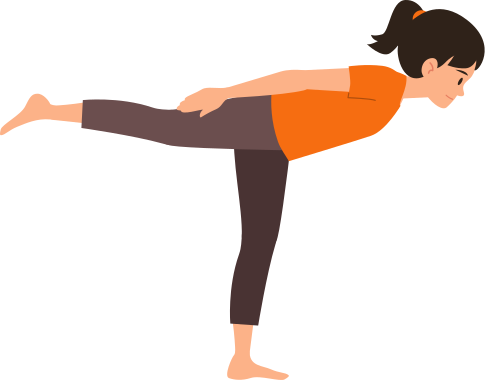
Aeroplane Pose
Steps
- Stand on one leg with your arms stretched out beside you.
- Slowly bend forward while lifting the opposite leg behind to create a "T" shape.
- Hold the balance for 5–10 seconds before returning to standing.
- Repeat on the other side.
Benefits
- Strengthens the legs, ankles, and core.
- Improves balance, coordination, and body control.
- Builds stability and concentration.
Precautions
- Keep the supporting knee slightly bent instead of locking it.
- Avoid the pose if there is a recent knee injury.
Kid-Friendly Tip
- Place a soft pillow in front of your child while practising to make balancing feel safer.
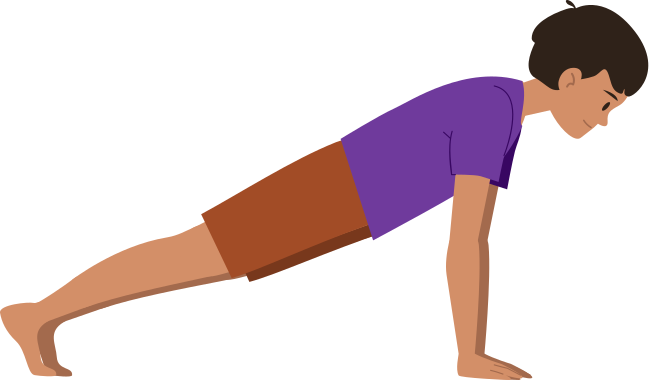
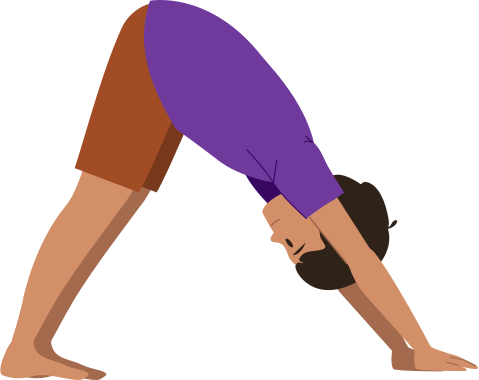
Caterpillar Plank to Mountain Pose
Steps
- Begin in Downward Dog (Mountain Pose).
- Walk your hands forward into a plank position.
- Walk or gently jump your feet towards your hands.
- Return to Downward Dog and repeat for 30–60 seconds.
Benefits
- Strengthens the shoulders, arms, wrists, and core.
- Improves hip flexibility and spine mobility.
- Builds stamina through continuous movement.
Precautions
- Avoid this exercise if your child has back pain.
- Always practise on a non-slip yoga mat.
Kid-Friendly Tip
- Once the movement becomes easy, turn it into a fun speed challenge while maintaining correct form.
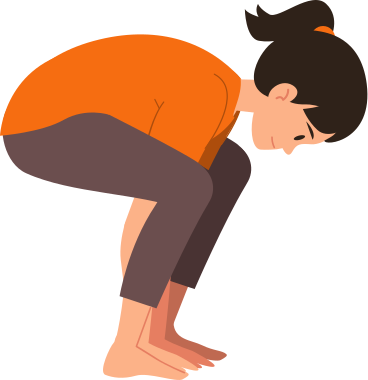
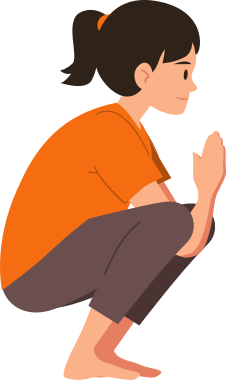
Frog Pose
Steps
- Start in a comfortable squat.
- Place your hands on the floor.
- Jump forward like a frog and then hop back.
- Continue the jumping sequence for several repetitions.
Benefits
- Strengthens the knees, thighs, core, and spine.
- Improves leg endurance and coordination.
- Builds stamina through playful movement.
Precautions
- Skip this pose if your child has knee pain or a knee injury.
Kid-Friendly Tip
- Encourage children to pretend they are frogs catching flies to make the activity more enjoyable.
Camel Pose — Ustrasana
Steps
- Kneel on the floor with your knees hip-width apart.
- Place your hands on your lower back for support.
- Gently push your hips forward while arching your upper body backward.
- Hold the pose for 5–10 breaths before returning slowly.
Benefits
- Strengthens and stretches the spine.
- Improves hip mobility and posture.
- Opens the chest and increases flexibility.
Precautions
- Avoid deep backbends if your child has a stiff or injured back.
- Never force the stretch.
Kid-Friendly Tip
- Encourage slow, steady breathing throughout the pose to help the body relax and stay balanced.
Warrior Pose — Virabhadrasana
Steps
- Stand with your feet wide apart.
- Turn one foot outward and bend that knee.
- Raise your arms overhead while keeping your back straight.
- Hold for 5–10 breaths before switching sides.
Benefits
- Strengthens the spine, legs, knees, and core.
- Improves stamina, balance, and posture.
- Builds confidence and body awareness.
Precautions
- Keep a narrower stance if your child has weak knees or lower back discomfort.
- Increase the hold time gradually.
Kid-Friendly Tip
- Ask children to imagine they are brave warriors standing tall and strong while focusing on one point ahead.
Conclusion: An Open Body, An Open Mind
Yoga helps children build much more than physical strength. With regular practice, yoga for strength improves balance, flexibility, stamina, and body awareness while also supporting better focus, confidence, and emotional well-being. As children become stronger physically, they often find it easier to stay active, concentrate in school, and handle everyday challenges with greater resilience.
The best results come from practising consistently rather than trying difficult poses too quickly. Encourage children to start with simple yoga asanas, learn proper technique, and gradually build their practice over time. An open body often supports an open mind, making yoga a lifelong habit that promotes healthy growth, steady energy, and overall well-being.
Frequently Asked Questions
How long should kids hold a yoga pose for strength benefits?

Most children can hold beginner yoga poses for 5–10 breaths. As strength improves, the duration can be increased gradually without discomfort.
How often should children practice yoga to build stamina?
Practising yoga 3–5 times a week for 20–30 minutes helps children steadily improve strength, stamina, flexibility, and overall fitness over time.
Her love for storytelling began with reading her grandfather’s speeches, where Tarishi saw the power of words in creating lasting memories. Combining her passions for food and writing, she has turned her life into a fulfilling path of sharing stories that celebrate flavours and how food brings communities together.
The views expressed are that of the expert alone.
Popular Topics