



 Parenting Guide


 Child Health & Growth


 Learning & Skills Development


 Food & Nutrition


 Bournvita




Introduction
Fish has been a vital component of Indian meals, particularly along the coast and river-based areas. When you choose carefully, picking from the best fish to eat in India can be a great addition to kids' diets. According to a study published in Front Nutr. 2025, fish are a great source of protein that helps support muscle growth and repair. It also contains omega-3s, which support brain development and concentration in the classroom. For young growing kids, getting just the right amount of protein keeps energy levels steady and supports physical growth, too.
Parents usually worry about the risk related to eating fish. Fish varieties in India are good for health, but come with risk factors that can cause serious damage. Choking from tiny bones, a strong smell can cause nausea and vomiting and exposure to mercury. Not all varieties of Indian fish are suitable for kids. It is important to understand the types of fish before adding them to your kids' meals.
The Indian market offers different types of fish in India to eat, from freshwater types like Rohu and Catla to the ocean-caught Pomfret and Surmai. The key to making good choices is to know which ones are the safest to eat. Loads of varieties are classed as high-protein fish in India, so if you have got active kids, this fish type is a great option to add to their diet. Protein is essential for building strong muscles, and other nutrients like iodine and vitamin D help with growth and keeping the immune system healthy.
This guide is based on nutritional recommendations and practical parenting experience. It will help parents pick the best Indian fish, which will not only give you peace of mind but also taste great for everyday meals.
Why is Fish a Superfood for Your Child?
Indian fishes are often called a "superfood" because it provides essential nutrients in one serving. When you get the right types of fish in India to eat, kids will be getting high-quality protein, healthy fats and loads of vitamins that are good for growth and learning.
Indian council of medical research ICMR says that fish is a great source of omega-3 fatty acids and Vitamin D, two of the most important nutrients for kids as they grow. Fish is great for brain and bone health; it contains specific fats and micronutrients that directly support brain and bone health. These nutrients work together to strengthen both physical and cognitive development.
Brain Development & DHA
DHA (Docosahexaenoic Acid) is a type of omega-3 fatty acid that's found in fatty fish. DHA is an important structural component of the brain. During childhood, the brain is still developing, and DHA supports memory, learning ability and attention span.
According to ICMR omega-3s fatty acids are important for cognitive development. When your little consuming Indian fishes high in DHA, it helps build healthy brain cells and support communication between them. Indian fishes like salmon, sardines and some of the Indian marine varieties all contain DHA naturally. Including them in your kids' diet once or twice a week, in balanced portions of course will support healthy brian growth.
Strong Bones & Vitamin D
Now vitamin D is another very important nutrient when it comes to bone health. It helps the body absorb calcium properly. Even if kids are getting plenty of calcium from other sources like milk and curd, they still need vitamin D for proper absorption of calcium. Fish is the best natural source of vitamin D.
According to a study published in Indian J Endocrinol Metab. 2019, vitamin D supports bone mineralization during growing years. This helps prevent weak bones and supports steady height growth. When your kids eat fish rich in Vitamin D, along with calcium-rich foods like milk and curd, bone development becomes stronger and more stable.
Combining fish with a balanced diet that includes protein, vegetables, and whole grains creates a solid nutritional foundation for healthy growth.
Top Indian Fish Varieties for Kids
Rawas (Indian Salmon) – The Omega-3 King
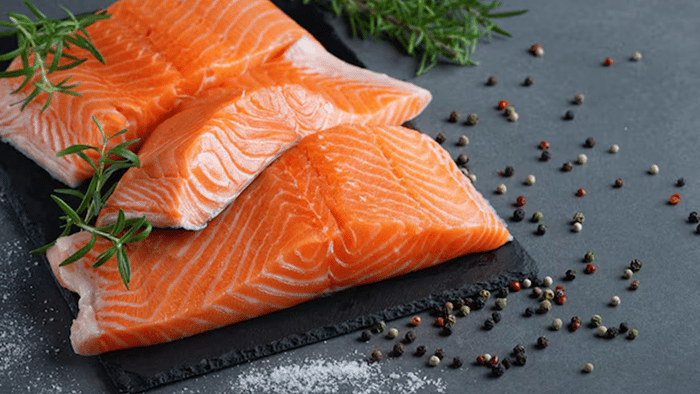
Rawas, also known as Indian Salmon, is a saltwater Indian fish that populates the western coast of India. They generally have a mild taste and a firm, slightly flaky texture. According to research, rawas is rich in omega-3 fatty acids, especially DHA, which plays a key role in brain development and focus. And it is also high in protein, which helps with muscle growth and repair.
Parents' Tip: Opt for boneless fillets and lightly pan-cook or steam them. The firm texture holds well in simple curries or grilled options, it also helps to see the bones and remove them easily
Rohu & Katla – Best Freshwater Choices
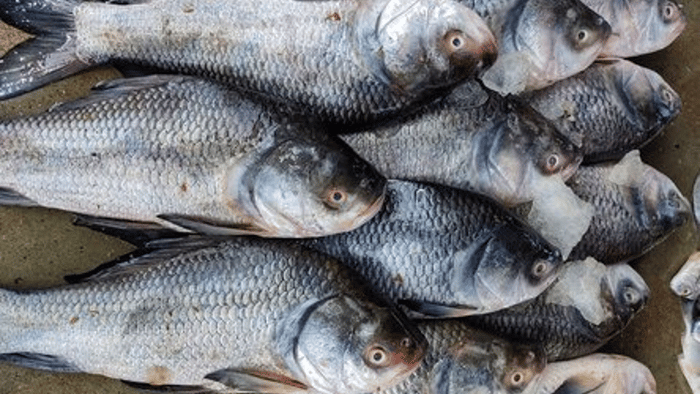
Rohu and Katla are household names among freshwater fish fans in North and East India. They have a mild flavour that's perhaps a little earthy, and a soft, flaky texture that cooks right up nicely. Both Rohu and Katla provide protein and minerals like iron and phosphorus. According to dietary guidelines, protein is what supports tissue growth, while iron helps prevent that fatigue that comes from low oxygen flow in the body. Freshwater fish like Rohu are widely consumed and are considered safe to eat, as long as they're properly sourced.
Parent's Tip: Be sure to debone carefully before serving, especially as Rohu and Katla can have medium-sized bones hiding away. One idea is to prepare them as fish cutlets or lightly mash them with rice to reduce the risk of choking in younger children.
Surmai & Pomfret – Kid-Friendly Textures
Surmai (Kingfish) and Pomfret are two saltwater fish varieties in India that boast firm yet tender texture, though Surmai has a slightly stronger taste compared to Pomfret, which is mild as can be. Pomfret is good for kids who are new to fish because of its soft flesh and relatively fewer bones.
As per a study published in Foods. 2022, both of these Indian fishes provide protein and essential micronutrients such as iodine and Vitamin D. Iodine hel\ps sort out thyroid function, which in turn keeps your metabolism and growth ticking over. Vitamin D, meanwhile, is crucial for calcium absorption, which strengthens bones and helps them grow strong.
Parent's Tip: Pomfret is a great choice for kids just starting out with fish because it's so soft and easy to chew and digest. Steaming or lightly pan-frying is all you need to do to preserve that texture, making it a winner all round.
Safety First: Mercury Levels & Bones
When you add Indian fish to the menu, don't forget to pay attention to safety just as much as you do to nutrition. Many parents worry about mercury exposure and the risk of choking from small bones, and those are worries that deserve some serious consideration.
According to FSSAI, the larger predatory fish variety in India can contain higher levels of mercury, which is a risk especially if your child is consuming it over a long period of time and in big quantities, that can affect brain development. On the other hand, moderate amounts of low-mercury fish are perfectly fine for healthy growth. The key is to choose the right types of fish in India to eat and prepare it in a way that minimises risks.
High-Mercury Fish to Avoid
Large fish varieties in India which spend years roaming the seas tend to accumulate more mercury in their bodies. Global food safety advisories and guidelines on kids health tell us that the following fish are best avoided or eaten in very small amounts:
- Shark
- Swordfish
- King Mackerel
- Tilefish
The reason is that these fish are high up in the food chain and that lets them build up more mercury in their tissue, compared to the smaller , more common fish in India like rohu, katla, pomfret or the Indian salmon. Of course, even the safer fish should be eaten in moderation, a couple of times a week should be about right.
How to Debone Fish Properly
Making sure your kid doesn't choke on a fishbone is a big worry for most parents. Taking a few minutes to debone fish properly can help to boost confidence in serving fish to your kids, and lower the risk of choking hazards. Here is what you do :
Pick the right cut:
You should aim for a cut that is a fillet or a centre section that has got fewer bones, in particular Pomfret and Surmai are pretty easy to handle.
Cook till tender:
Either steaming or pan-cooking the fish lightly makes it easier to find and remove any bones.
Flake with care:
Take a finger and gently flake the fish into smaller pieces and spread it out on a plate to inspect carefully.
Give it a close look:
Shine a bright light on it and have a good look for any small bones and then use your fingers to feel for any that might have been missed.
Serve in small portions:
The smaller the bite , the lower the risk.
Sometimes it is just a good idea to mash the fish with some rice or make it into a soft cutlet to take away any bone-related worries.
When & How to Introduce Fish to Your Baby
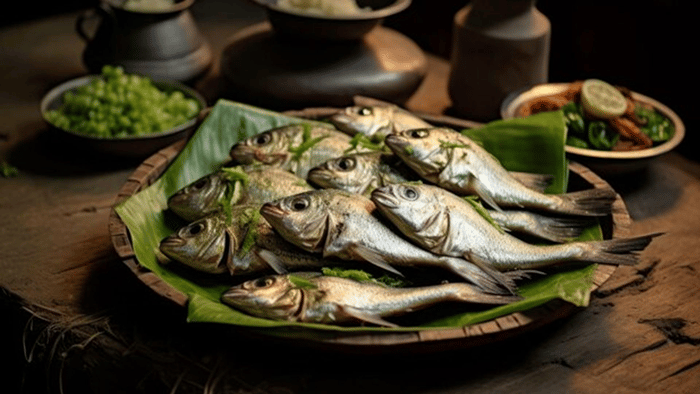
Introducing Indian fish at the right stage can provide valuable nutrients like protein, DHA, iodine, and Vitamin D. According to WHO, it supports introducing a variety of nutrient-dense foods, including fish, once complementary feeding begins around six months of age. Early exposure to common allergens in safe forms may also help reduce allergy risk, according to pediatric allergy guidelines.
Age-by-Age Guide (6 Months to 2 Years)
Fish should always be fresh, properly cooked, and carefully deboned before serving. Texture and portion size must match your child’s age and chewing ability.
6–8 Months:
Yes, 6-month-olds can eat fish once complementary feeding has started. Serve well-cooked, fully deboned fish mashed into a smooth paste. Mix it with rice, dal water, or vegetable puree to create a soft texture. Start with small quantities and observe for reactions.
9–12 Months:
At this stage, babies can handle slightly thicker textures. Offer finely flaked, soft fish mixed with mashed rice or khichdi. Ensure no tiny bones remain. Finger-sized soft pieces can be introduced under supervision.
1–2 Years (Toddlers):
Toddlers can eat soft, small bite-sized pieces of boneless fish. Mild varieties such as Pomfret or well-cleaned Rohu work well. Fish cutlets or lightly mashed fish with rice make safe options. Always supervise during meals.
Signs of Fish Allergy
Fish allergy is uncommon but possible. According to a study published in World J Clin Pediatr. 2022, symptoms usually appear within minutes to a few hours after eating fish. Watch carefully for:
- Hives or red skin rashes
- Swelling of lips, face, or eyelids
- Vomiting or diarrhea
- Persistent coughing or wheezing
- Difficulty breathing (seek immediate medical help)
3 Easy & Tasty Indian Fish Recipes for Kids
Including Indian fish in meals becomes easier when recipes are simple and mild in flavor. These recipes focus on soft textures, minimal spices, and easy preparation while keeping safety in mind.
Mild Fish Mash (For Babies 6+ Months)
Best Fish: Pomfret or Rawas (boneless, low-bone varieties)
Ingredients:
- 1 small boneless fish fillet
- 1–2 tablespoons cooked rice or mashed potato
- A few drops of ghee
Method:
Steam the fish until fully cooked and soft. Carefully flake and check thoroughly for bones. Mash it finely with cooked rice or potato. Add a few drops of ghee for extra calories and smoother texture. Serve lukewarm.
Boneless Fish Fingers (For Toddlers 1–3 Years)
Best Fish: Surmai or Pomfret (firm texture, easy to debone)
Ingredients:
- Boneless fish strips
- 1 egg (optional for binding)
- Whole wheat breadcrumbs
- A pinch of turmeric and salt
Method:
Lightly season the fish strips. Dip in beaten egg and coat with breadcrumbs. Shallow cook on a pan with minimal oil until golden and cooked through. Cut into small finger-sized pieces.
Non-Spicy Fish Curry (For Older Kids 4+ Years)
Best Fish: Rohu, Katla, or Rawas
Ingredients:
- 2 fish pieces (well cleaned)
- 1 small onion paste
- 1 tomato puree
- Turmeric, a pinch of cumin powder
- Coconut milk or plain curd
Method:
Lightly cook onion paste in minimal oil. Add tomato puree and mild spices. Add water and bring to a gentle boil. Add fish pieces and cook until tender. Finish with coconut milk or curd for mildness.
Frequently Asked Questions (FAQs)
Which Indian fish has the least bones?

Pomfret and Surmai are considered among the Indian fish varieties with fewer and larger bones, making them easier to debone.
Is it safe to give fish to a 1-year-old?
Yes, it is safe to give fish to a 1-year-old if it is well cooked, fully deboned, and introduced gradually. Choose low-mercury fish and serve in small, soft pieces under supervision.
Can I give frozen fish to my baby?
Yes, frozen fish can be given if it is properly stored, thawed safely in the refrigerator, and cooked thoroughly.
Her love for storytelling began with reading her grandfather’s speeches, where Tarishi saw the power of words in creating lasting memories. Combining her passions for food and writing, she has turned her life into a fulfilling path of sharing stories that celebrate flavours and how food brings communities together.
The views expressed are that of the expert alone.
Popular Topics