



 Parenting Guide


 Child Health & Growth


 Learning & Skills Development


 Food & Nutrition


 Bournvita




Introduction
Children often experience sudden energy dips between meals, especially after school, during playtime, or while studying. These low-energy moments can lead to crankiness, poor concentration, irritability, or unhealthy snacking habits like reaching for chips, sugary drinks, or processed foods. This is why balanced snacks are extremely important for growing kids. Instead of simply filling the stomach, healthy snacks help provide sustained energy, improve satiety, and support overall nutrition throughout the day.
The right snacks can keep children active, focused, and satisfied until their next meal without causing heavy digestion or sugar crashes. Nutritious combinations of protein, fiber, healthy fats, and complex carbohydrates can help maintain steady energy levels while supporting growth and development. By introducing healthy snack options early, parents can encourage better eating habits and help children make smarter food choices in the long run.
How to Build Balanced Snacks for Growing Kids
Balanced snacks are not just about taste; they should provide energy, nutrients, and fullness without replacing regular meals. Choosing the right ingredients and portions helps children stay active and satisfied between meals.
Pair Carbs with Protein for Better Satiety
Combining carbohydrates with protein helps children stay full for longer and prevents sudden energy crashes. Snacks like chilla with yogurt, eggs with vegetables, or dates with nuts provide both quick and sustained energy while supporting muscle growth and overall development.
Use Fiber-Rich Foods for Longer-Lasting Energy
Fiber slows digestion and helps maintain steady energy levels throughout the day. Foods like lentils, fruits, nuts, pomegranates, and chickpea flour make excellent snack ingredients because they improve digestion and keep children feeling satisfied longer.
Choose Snacks Based on Activity and Timing
Children need different kinds of snacks depending on their schedule and activity level. Light snacks work well before sports or playtime, while more filling snacks are ideal after school or between longer gaps in meals. Timing snacks properly helps maintain energy without affecting appetite for main meals.
Portion Snacks to Refuel, Not Replace Meals
Snacks should help refuel the body, not completely replace breakfast, lunch, or dinner. Keeping portions moderate ensures children get enough energy between meals without overeating or losing appetite for balanced main meals.
Healthy Snack Ideas for Different Times of Day
Different times of day call for different types of snacks. Some should refresh and hydrate, while others should provide energy and fullness for active children.
Mid-Morning Refueling Snacks
Greek Yogurt and Pomegranates

Greek yogurt combined with fresh pomegranate makes a refreshing, nutrient-rich snack. Yogurt provides protein and calcium, while pomegranates add antioxidants and natural sweetness. This snack is cooling, filling, and ideal for keeping children energized during school hours.
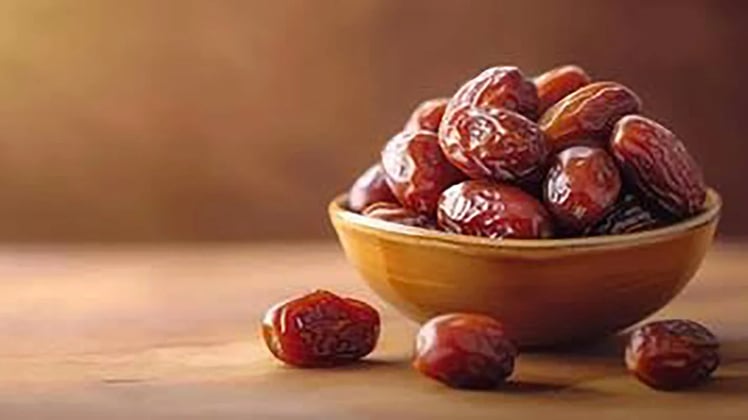
Dates and Nuts
Dates paired with almonds, walnuts, or pistachios create a naturally sweet and nutritious snack. The healthy fats, fiber, and protein from nuts, combined with the quick energy from dates, help maintain focus and stamina during the day.
After-School Energy Snacks
Chilla

Chilla made from lentils or chickpea flour is one of the best savory snacks for children after school. Rich in protein, fiber, and essential nutrients, it helps replenish energy while keeping kids full and satisfied for longer periods.
Hard-Boiled Egg-wiches
Egg-wiches made with boiled eggs, vegetables, and cheese are fun, filling, and rich in protein. This snack supports muscle recovery and provides steady energy after school or outdoor activities.
Pre-Play and Sports Snacks
Dates and Nuts
Before physical activity, children need snacks that provide quick yet lasting energy. Dates and nuts are excellent pre-play snacks because they are easy to digest while offering carbohydrates, protein, and healthy fats.
Dark Chocolate with Nuts and Dry Fruits
Small portions of dark chocolate combined with nuts or dried fruits can provide energy before sports or outdoor play. Dark chocolate also contains antioxidants that may help improve mood and circulation.
Evening Mini Snacks Between Meals
Greek Yogurt and Pomegranates
This light yet satisfying snack works perfectly in the evening when children feel hungry between meals. It provides hydration, calcium, and natural sweetness without feeling too heavy.
Dark Chocolate Treats
Dark chocolate-coated nuts or dates can satisfy evening cravings in a healthier way compared to processed sweets. They provide flavor, energy, and healthy fats while encouraging smarter snacking habits.
Easy recipes of energy-boosting snacks for kids to eat between meals
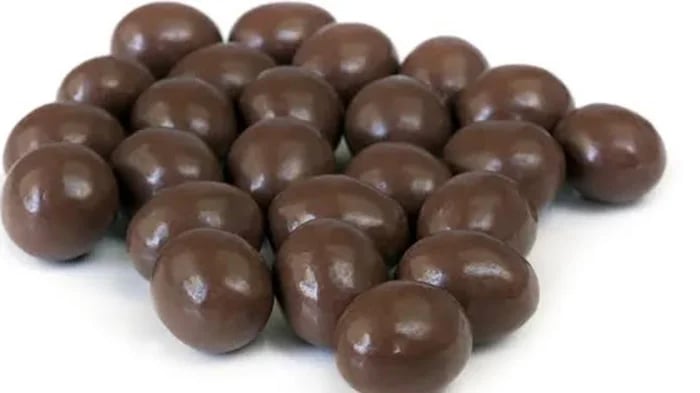
Dark Chocolate Almonds
Ingredients
- 6 ounces of high-quality dark chocolate (50% or darker)
- 1-1 ½ cups of whole, raw almonds
- Salt
- Coarse sugar
Directions
- Line a baking sheet with parchment paper. Set aside.
- Melt the chocolate in a double broiler or the microwave. If using the microwave, melt the chocolate in 30-second installments, stirring after every installment, until completely smooth and melted.
- Dip the almonds, one by one, using a dipping tool or fork. Otherwise, they will stick together in unflattering clumps.
- Once dipped, gently tap against the bowl to get rid of excess chocolate and place it onto the prepared baking tray. Repeat with all the almonds.
- Sprinkle the laid almonds generously with salt and sugar before allowing them to completely set in the refrigerator. Store the almonds in the fridge for up to 4 weeks.
Greek Yogurt Fruit Parfait
Ingredients
- 1 cup of Greek yogurt
- ½ cup of granola
- 6 sliced strawberries/ 1 medium-sized, peeled and separated pomegranate
- 9 blackberries/ 18 sliced grapes
- 3 tablespoons of honey
Directions
- Layer ⅓ of a mason jar or glass mug with Greek yogurt. Add a layer of granola to the top.
- Layer in 2 sliced strawberries/ ⅓ of pomegranate and 3 cut blackberries/ 6 sliced grapes.
- Add a tablespoon of honey on top. Repeat this layering till there is a perfect fruit parfait with three prominent strata. Serve and enjoy chilled.
Conclusion
Since snacking in between meals has become a daily part of life, it is better to reap its benefits by resorting to healthy and energy-giving snacks. Kids develop a habit quickly and easily, only when they are used to new foods early. Check out these healthy energy-boosting healthy foods for kids when you are stuck for snack ideas and watch your little ones’ tastebuds develop and change.
Frequently Asked Questions
How often should children have snacks between meals?

Children can usually have 1–2 healthy snacks between meals depending on their age, activity level, and appetite. Snacks should help maintain energy without replacing balanced meals.
Are homemade snacks better than packaged snacks for energy?
Yes, homemade snacks are generally healthier because they contain fresher ingredients, less sugar, and fewer preservatives. They also provide better nutrition and sustained energy.
What snacks help keep kids full and energized longer?
Snacks rich in protein, fiber, and healthy fats like chilla, eggs, yogurt, nuts, and dates help children stay full and energized for longer periods.
Kaushiki Gangully is a content writing specialist with a passion for children's nutrition, education, and well-being. With more than five years of writing experience and a science-based background, she provides nuanced insights to help families raise happy, healthy kids. Kaushiki believes in making learning and healthy eating fun, empowering parents with practical, easy advice.
The views expressed are that of the expert alone.
Popular Topics