




 Parenting Guide


 Child Health & Growth


 Learning & Skills Development


 Food & Nutrition


 Bournvita




Introduction
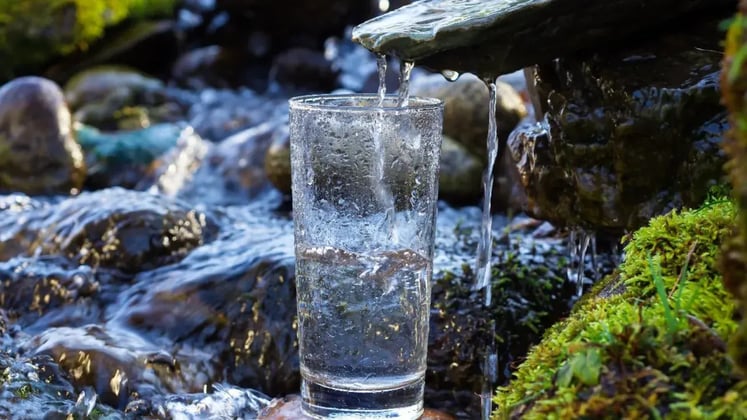
Water is life. It nurtures and soothes our body and soul on a hot day. Not only the earth but even human bodies comprise 70% water. Since the universal solvent plays such a significant role in human existence and life on earth, its importance should be taught to kids early.
Ironically enough, despite having so much water nearby, most humans do not have enough of it to drink. A report by Axis India highlights the current water crisis in India. More than 50% of the Indian population has no access to safe drinking water and around 200,000 people die every year due to this.
India’s fast-depleting groundwater reserves have ranked it 120 out of 122 countries in the global water quality index. The National Institution for Transforming India (NITI Aayog) has termed this to be India’s worst water crisis in its history. This highlights the immense importance and vitality of teaching kids about safe and clean water sources.
Estimates show that by 2030, almost half of India’s households may no longer have access to drinking water. Since children are the pillars of the nation’s future, they must be educated about good water sources and proper conservation practices. Here’s a quick guide on teaching kids about clean and safe water sources, along with tips.
Tips On Educating Kids About Safe And Clean Water Sources
Water availability and sources are no longer as pure or easy as they were before due to a wide range of pollutants, environmental factors, and anthropogenic reasons. Rainwater used to be considered the purest, natural source of water. But the current levels of sulphuric and nitric acid in the atmosphere beg to differ.
As a result, children can no longer drink rainwater directly or carry water vessels from the river with safe water. There are bound to be chemicals in it. Comparatively, water from personal wells and public water pumps using ground aquifers provide water in a convenient manner to the masses.
But even then, the water should be collected, boiled and then consumed for ideal cleanliness and safety. After all, in India, young children's deaths due to diarrhea and dirty water are as frequent as every two minutes or so. So, it is vital for kids to follow the tips listed below when seeking clean and safe water sources.
Explain The Water Cycle And Sources
You can start by teaching your kids the basics of the water cycle. From the evaporation of water from lakes and rivers to the condensation of clouds to heavy rainfall, the cycle continues and keeps providing the earth with fresh water for drinking and other purposes. Using this, it will be easier for parents and teachers to explain the water source of their particular locality along with tips on how to maintain it.
Make A Rainwater Garden
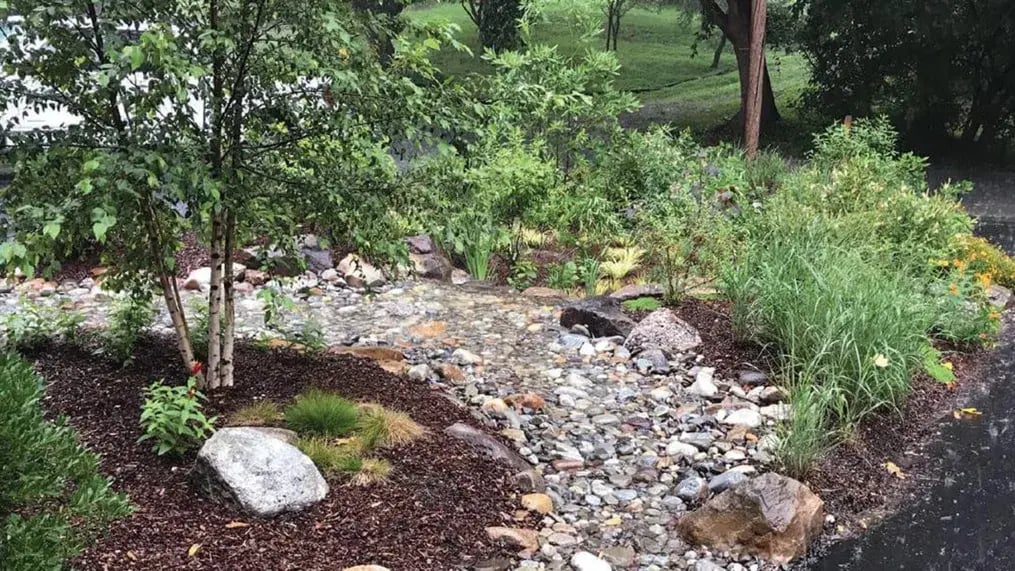
Try making a rainwater garden at home if space and soil quality permits. It will help utilize rainwater to grow plants and flowers and waste none. While it may require a couple of days of hard work, with loosening and scooping out soil, laying water outlets, piping, and stones, the beautiful result will be worth it. If there is any standing water issue for aquatic plants, be sure to include lots of guppy fish in the mix as they keep mosquito-laden eggs and diseases at bay.
Try Water Recycling
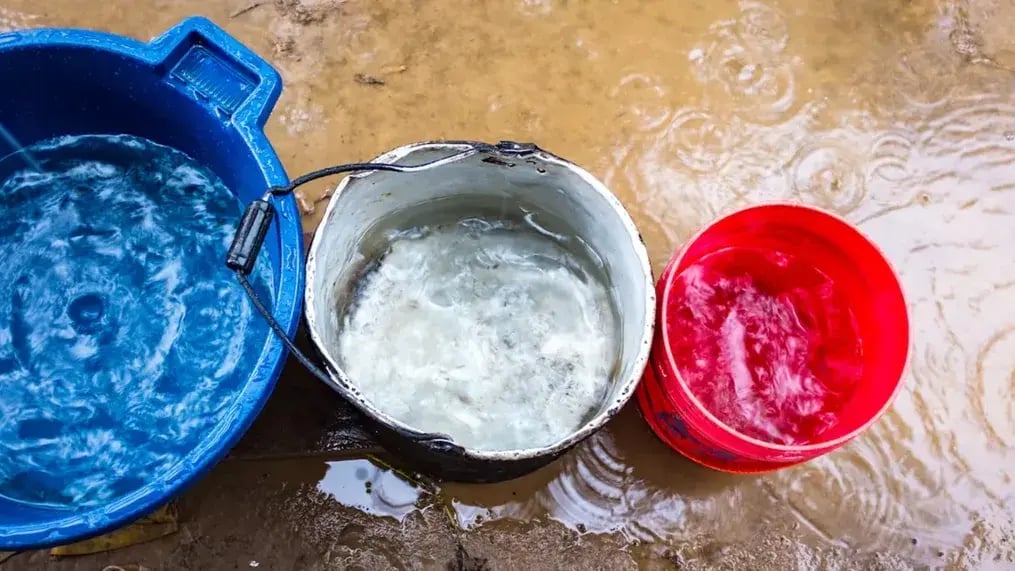
Try water cycling at home before explaining it to kids. Remember, hygiene should not be compromised in the process. Water cycling simply refers to utilizing used water for other household activities. For example, pour leftover water from washing and cleaning vegetables into your plants. This will prevent water wastage and will help the earth in multiple ways.
Go Camping
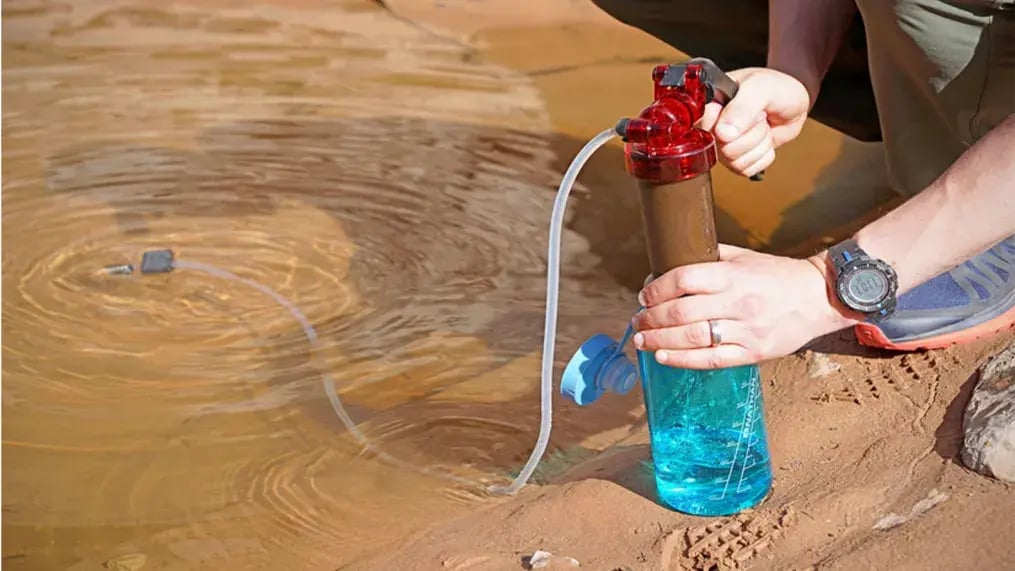
Take your kids camping to help them teach how to draw water from a source, purify it, and then use it thrifty. Once your kids have tried dragging gallons of water over to the campsite, they will automatically start appreciating it more. Teach them how to purify water by either boiling or disinfecting it using water filters and purification tablets. These will significantly lower the risk of water-borne diseases and teach your kids to appreciate the various bountiful gifts of nature.
Clarify Consequences
Make the consequences of water depletion, pollution, and consumption of contaminated water clear to kids. While age-appropriate education is essential, there is also little use in beating around the bush. So, engage your kids in conversations about the environment's upcoming conservation policies by international standards, and teach them how to recycle water, lest it runs out too soon for humans.
Conclusion
It is vital for kids to know about safe and clean water sources as it will enable them to be a part of the environmental conservation and conservation community. Nobody can sit back and wait to see how things turn out in 2030. As your child’s well-being and future lie in the balance, give this guide a try now. It will help you easily educate your kids on proper and safe water sources.
Frequently Asked Questions
What are the sources of water for kids?

Sources of safe, clean water include treated tap water, rivers and filtered ground water. These natural and municipal water supplies are constantly replenished by the water cycle. Being aware of clean drinking water for children teaches them to always get to know safe sources.
Why is clean drinking water important for kids?
Children need to know about clean drinking water to avoid waterborne diseases such as typhoid and cholera. Pure and clean water sources support their growth, immunity and cognitive development. Each glass of clean water significantly protects their health and long-term wellbeing.
How can parents teach children about water conservation?
Parents can model conservation by practicing water cycle principles at home. Clean drinking water awareness for children also includes the fact that safe and clean water sources are limited. Turning off taps is a simple habit that builds lifelong conservation responsibility in them.
What diseases can dirty water cause in children?
They get typhoid, cholera, diarrhea, hepatitis A from dirty water. All these preventable waterborne diseases are prevented by clean and safe water sources. And kids who know the importance of clean drinking water are much less likely to get seriously ill.
How can schools teach students about saving water?
Schools can include the water cycle in science and environmental education courses. Children’s awareness of clean drinking water is increased by eco-clubs and participatory conservation projects. Hands-on classroom learning helps make meaningful topics like safe and clean water sources.
What is the water cycle in simple words?
The water cycle is the continual movement of water on, above and below the surface of the Earth. Water evaporates , makes clouds , rains and flows back to rivers . All living things are always supplied with safe and clean water sources by the water cycle.
Smriti is a content writer who creates clear, practical, and informative content backed by science and relevant data. With a strong understanding of structured writing, she breaks down complex topics into simple, actionable insights. Her work is focused on helping readers prepare, learn, and grow with confidence and clarity.
The views expressed are that of the expert alone.
Popular Topics