




 Parenting Guide


 Child Health & Growth


 Learning & Skills Development


 Food & Nutrition


 Bournvita





Introduction
Marathon training for kids can be a fun way to help children enjoy the joy of running while building confidence, fitness, and discipline. Running is an exceptional feeling and experience. It combines the joy of freedom, the quickness of wind, the relief of stress, and the welcome burn of active muscles. And running seriously and sincerely can also lead to participating in and completing marathons. There is just something about participating in an endurance-testing competition after months of preparation.
It is important that children start participating in marathons from an early age. Parents can nurture this interest by making running enjoyable and encouraging rather than forcing it. However, before you take your kids to run a marathon or train them for it, make sure you consult a paediatrician. You can begin with short fun runs or 1K–5K events, and increase distances gradually, since children's bones and joints are still developing.
Age-Appropriate Marathon Distances for Kids
Children should build endurance slowly and choose races that match their age and fitness level.
- Ages 5–8: Fun runs of 500 metres to 1 kilometre.
- Ages 9–12: 1K to 5K events with proper preparation.
- Ages 13–15: 5K to 10K races, depending on fitness and experience.
- Older teens: Longer distances may be considered with proper coaching, medical guidance, and gradual training. Full marathons are generally recommended only for older teens who are physically ready.
The focus should always be on enjoying the experience, staying healthy, and building confidence instead of completing longer distances too early.
8 Tips to Encourage Your Child to Participate in Marathons

These simple tips can help children enjoy running while building confidence and endurance safely.
Include Them in Your Training
Children usually develop an interest in running when they watch and train along with their parents. You can take them along for short training sessions and make running enjoyable rather than stressful. This encourages them to participate naturally.
Give Them Control
Let your child make small choices, such as selecting their favourite park, choosing a running route, or deciding which trail to explore. Giving them responsibility keeps them interested and motivated.
Make Fitness Plans Together
Create a simple training plan with your child. For example, if they want to complete a 5K, calculate how many laps they need to run on their school field. You can also plan healthy meals together to teach them the importance of good sports nutrition.
Make Their Marathons a Priority
Show your child that their efforts matter. Attend their training sessions whenever possible and cheer for them on race day. Your encouragement gives them confidence and makes the experience more enjoyable.
Train Consistently
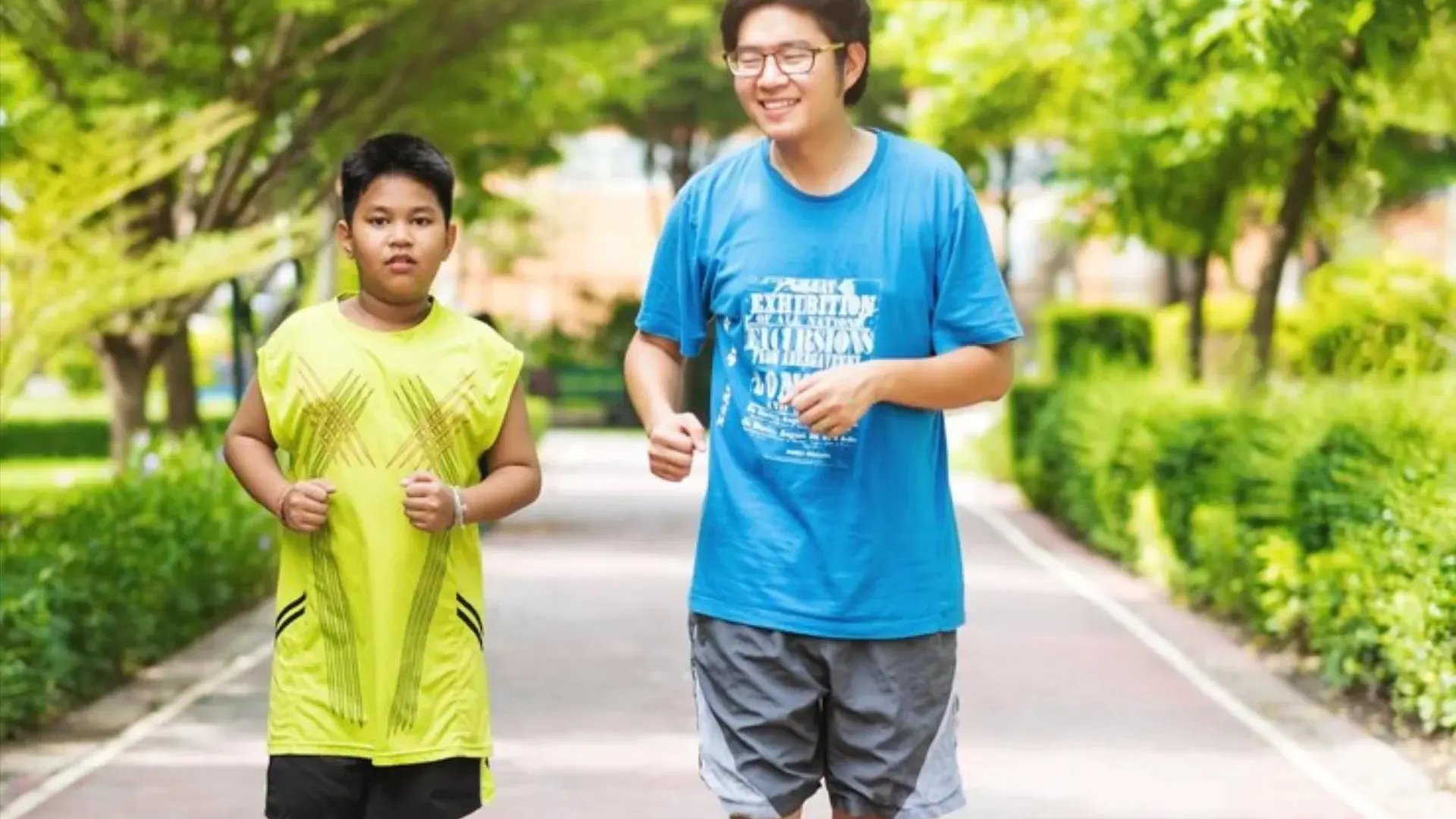
Regular practice helps children improve safely. Include warm-ups, running sessions, rest breaks, and cool-down exercises in every workout. You can also time each lap and encourage gradual improvement instead of expecting instant results.
Encourage Cross-Training with Other Sports
Let your child play other sports along with running. Activities like swimming, cycling, football, or badminton strengthen different muscles, improve stamina, and reduce the risk of overuse injuries while keeping training fun.
Use Positive Reinforcement
Set small weekly or monthly goals, such as running one extra lap or improving lap times by a few seconds. Celebrate their progress with praise, encouragement, or small rewards. Positive feedback motivates children to keep improving.
Always Prioritize Their Wellbeing
Support your child without putting pressure on them. Watch for signs of tiredness, allow enough rest, and never push them to train through pain. Their physical and mental well-being should always come before winning a race.
Conclusion
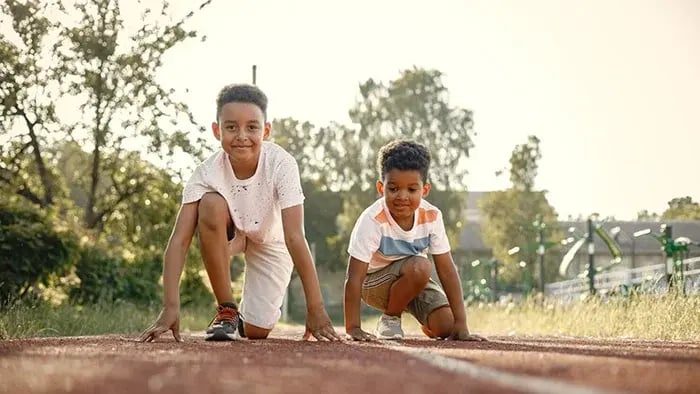
Running a marathon or even a shorter race takes dedication, regular practice, and patience. By encouraging kids marathon training in a safe and enjoyable way, parents can help children develop healthy habits, confidence, and a lifelong love for fitness. Focus on steady progress, celebrate every milestone, and let marathon training for kids be fun and rewarding.
Frequently Asked Questions
At what age is it safe for kids to start training for long-distance running events?

Children can begin with fun runs and short-distance events at a young age. Longer races should be introduced gradually based on their age, fitness level, and a pediatrician's advice.
Should children run full marathon distances, or shorter races?
Shorter races such as fun runs, 1K, 3K, or 5K events are generally more suitable for children. Full marathon distances are usually recommended only for older teens who have trained properly under expert guidance.
How can I tell if my child is being overtrained or pushed too hard?
Signs of overtraining include constant tiredness, ongoing muscle or joint pain, loss of interest in running, poor sleep, or frequent injuries. If these signs appear, reduce training and seek medical advice if needed.
What should a child eat before and after marathon training sessions?
Before training, offer light foods such as bananas, fruit, yogurt, or whole-grain toast for energy. After training, provide water along with a balanced meal or snack containing carbohydrates and protein, such as milk, eggs, paneer, dal, or fruit, to support recovery.
The views expressed are that of the expert alone.
Popular Topics