


 Parenting Guide


 Child Health & Growth


 Learning & Skills Development


 Food & Nutrition


 Bournvita




Introduction
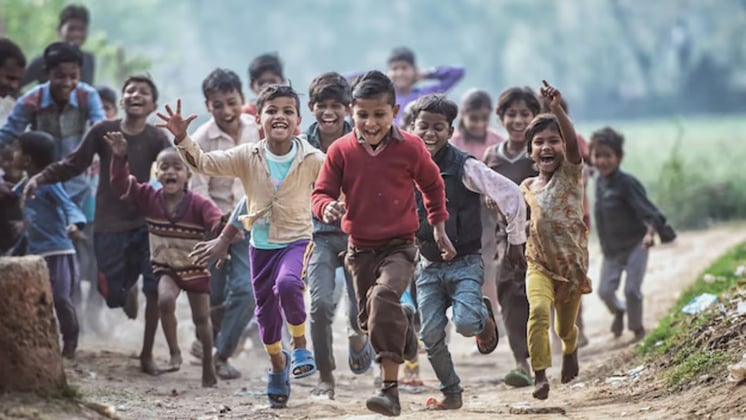
Preschoolers seem to have endless restless energy and curiosity as they go about their day. Parents tend to remember the early milestones best—rolling, crawling, and walking. And once the kids are moving confidently, a new area deserves quiet attention: core strength. Preschoolers need to be physically active all day to promote healthy growth.
A strong core helps kids play physically and actively throughout the day and so much more. It also has connections to emotional regulation, attention, and even early speech development. You don’t need any special equipment to incorporate simple core strength exercises into your kid’s everyday play. This article tells you why core strength is so important for preschoolers. Then there are twelve easy exercises parents and children can do together in a playful way.
Why Does Core Strength Matter for Kids?
Core muscles include the hips, belly, and back working together as one unit. Building these muscles will give kids more stability and control when they are active. This foundation supports fine motor skills such as drawing as well as gross motor skills such as running. A strong core also helps kids to confidently try new physical challenges. Besides the physical benefits, having core strength brings a sense of security in the body.
This grounding can help kids learn to deal with their emotions and behaviour in positive ways. Even hand-eye coordination and early language development in children are associated with core strength. The core is stable, supporting the head so that the eyes can follow objects without skipping. Consistency can help with better communication as a child’s language skills develop. Core exercises, added to everyday play, help develop much more than physical strength.
Core Strength Exercises for Parents and Kids
These six exercises are best done with direct support and involvement from a parent. They build strength and create fun, connected moments for a parent and child.
1. Wheelbarrow Walk
Parents holding a child's ankles as he walks forward on his hands. The beginner is helped by holding nearer the knees. As they progress, children should try to keep their core stable, not twist. This classic exercise simultaneously strengthens your arms and core.
2. Twister
This is a popular game of stretching the body and holding different difficult poses. Build core muscles for the entire game with balance and reach for all positions. Pressing through open palms also develops real hand and arm strength. It’s a fun competitive family thing to do, and it works great indoors.
3. Sitting and Bouncing on a Therapy Ball
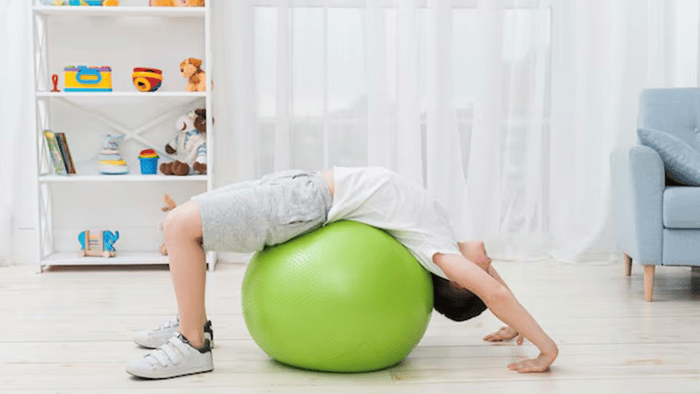
Bouncing on a therapy ball also helps to activate muscles along the spine’s length. Movement side to side or front to back adds even more core work. This simple activity feels playful but is actually building core stability. It is a good short activity for between other daily activities.
4. Bouncing on a Hop Ball
Hop balls combine core strengthening with actual balance practice for children. Kids like the bouncing motion without knowing that they are working out at all. This activity helps to strengthen the muscles of the spine and also strengthens the hand by gripping . It also works great for indoor and outdoor playgrounds.
5. Swinging
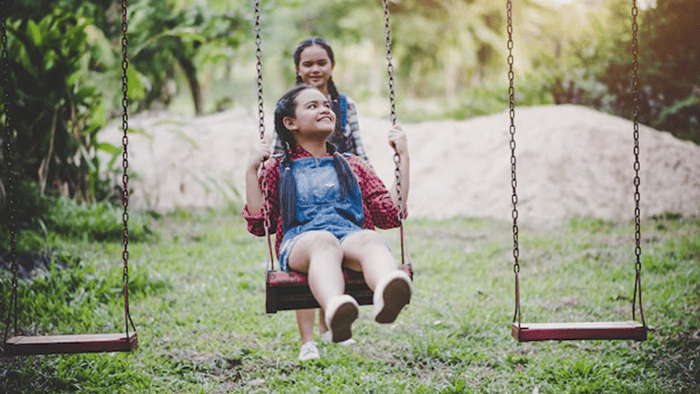
Grabbing the handles is good for purposeful hand and arm strength. This simple activity also works the core due to the swinging motion. A lot of young kids love swinging, and it provides a lot of good sensory input. Play & purposeful movement in one activity.
6. Balloon Kicks in a Crab Walk Position
The crab walk position is great for developing real core strength. In a small space children lift their legs in this position. To keep it fun, add a balloon to kick or punch. The combination makes a difficult position a joy to play.
Core Stability Exercises Only for Kids
These six exercises require no equipment and are good for standalone practice. After they’ve mastered the basic moves, children can experiment with them.
1. Superman
The children lie on their stomachs, arms and legs straight out. Only the belly touches the floor, and it makes a nice curve in the back. This pose builds the core and lower back muscles simultaneously. It’s a great quick, fun strength-building movement.
2. Rocking Egg
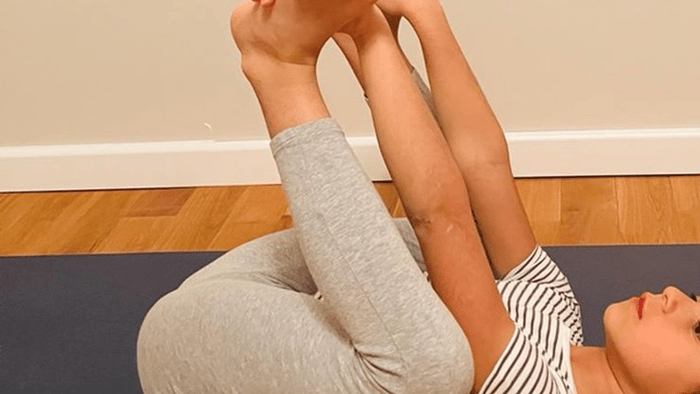
Children lie on their backs and draw their knees to their chest. When they hug their knees and lift head, they create a natural balancing challenge. This position works your core strength and also builds balance in the whole body. It’s more fun with a bit of gentle rocking.
3. Military Crawl
They are on their bellies, pushing with their elbows. This move strengthens the upper body and core simultaneously. It brings a little excitement and fun to an obstacle course. The crawling motion also develops coordination between arms and core muscles.
4. Crab Walk
Children are facing up and kneeling on the floor with hands and feet on the floor. Lift hips from the floor. Engage the entire body at once. It takes real coordination and real core strength to move in this position. Good fun whole-body challenge for preschoolers.
5. Bear Walk
Kids lift their hips into the air and extend their arms and legs. It's a more muscled effort than normal crawling. Make it a game like Silent Baby Bears for playful motivation. The bear walk builds your arm, leg, and core strength.
6. Leg Scissors
Children sit with legs straight out and lean back on their hands. They can cross and lift your legs over each other to strengthen the abdominal muscles. And the whole movement calls for balance and true core engagement in this movement.
How Often Should Preschoolers Do Core Exercises?
Most days preschoolers need about ten to fifteen minutes of core activity. Playtime with some fun exercises can be made a regular part of your routine, making it fun and really sustainable. Build steady strength over time, two or three sessions a week interspersed with play. When building strength in young children, consistency is much more important than intensity. Parents can vary two or three exercises each week to keep up the interest. The variety keeps kids engaged while still building strength on different muscle groups. Push too hard, too often, and you run the risk of lessening the fun and authentic engagement. The exercises are wrapped in a game format to keep the experience playful instead of demanding.
Conclusion
To run, to climb, and to sit still—all everyday preschool milestones—kids need core strength. These twelve exercises are a great way to get stronger and have fun, connected family time. For parents this may mean beginning with two or three exercises a week. The movement is unstructured and playful, so children stay motivated naturally over time.
Frequently Asked Questions
Why is core strength important for preschoolers?

A good core helps with balance, coordination, and the development of fine and gross motor skills. It is also related to emotional regulation and the everyday physical confidence of the young children.
What are easy core exercises to do at home with a preschooler?
Simple options are the wheelbarrow walk, superman pose, crab walk, and bear walk. They need no equipment and can be turned into fun, playful, family games.
How often should kids do core-strengthening activities?
Most days preschoolers benefit from about ten to fifteen minutes of core activity. Movement should be part of normal play, not formal, structured workout times.
Smriti is a content writer who creates clear, practical, and informative content backed by science and relevant data. With a strong understanding of structured writing, she breaks down complex topics into simple, actionable insights. Her work is focused on helping readers prepare, learn, and grow with confidence and clarity.
The views expressed are that of the expert alone.
Popular Topics