




 Parenting Guide


 Child Health & Growth


 Learning & Skills Development


 Food & Nutrition


 Bournvita






Introduction
What one chooses to eat can have a strong influence on their cognitive and physical development. Food is one of the driving forces behind sustained energy levels and intrinsic motivation. As per nutrients published in 2023, the quality of food may determine a child's focus and attention levels in the classroom.
It may also protect a child against health ailments and strengthen their immunity. However, a person's food choices may depend on different factors. Understanding these determinants can help parents understand the causes of deficiency among kids and the necessary alterations that they need to make. Moreover, it may also enhance awareness among parents related to the importance of a holistic and balanced diet for kids.
Choosing food and diet for one’s child may depend on a lot of complex factors. It may include the stage of childhood, the availability of resources, and much more. To better understand, here are some of the top factors affecting food and nutrition choices among kids.
Factors Affecting Food And Nutrition – Biological and Physiological Factors
Age and Growth Requirements

Kids may also have different dietary requirements according to their age group. For example, the nutritional needs of a child aged 3 to 5 can be extremely different from those of a child aged 13 to 16. Depending upon a child's growth and developmental stage, parents may choose food items that can improve their physical and cognitive health.
Gender and Metabolic Differences
Boys and girls have different nutritional needs long before puberty makes these differences clear. Metabolic rate, body composition, and hormonal activity all influence how efficiently a child processes and utilizes the food they consume, making gender one of the quieter but consistently documented factors affecting nutritional needs in pediatric health research. For example, adolescent girls need a lot more iron once they start their periods, and adolescent boys need more calories to help their muscles grow faster during the same time. Parents who plan meals for their children without taking into account these biological differences may find that one child does well on the same meals that leave the other child tired or lacking in nutrients.
Genetics and Health Status
A child's genetic makeup affects everything from how well the gut absorbs certain micronutrients to whether certain foods cause inflammatory responses that hurt overall nutritional status over time. According to NIH research, families with a history of lactose intolerance, celiac disease, or iron malabsorption have genetic patterns that directly affect which dietary strategies will or will not work for their children, no matter how nutritionally complete those strategies seem on paper. Among the factors affecting nutrition that parents least expect to navigate, underlying health conditions are the most likely to produce confusing results where a seemingly adequate diet consistently fails to deliver expected developmental outcomes without any obvious explanation in the child's daily eating habits.
Socio-Economic Determinants
Income and Food Affordability
Household income has a more direct and consistent effect on a child's nutrition than almost any other outside factor. Families on a tight budget tend to buy calorie-dense, low-cost staples that fill their kids up but don't give them enough micronutrients. These gaps build up over time without anyone noticing. This is not about knowing about nutrition or what parents want. It is a structural limitation where affordability and dietary quality are pulling in different directions at the same time. Research tracked by the World Health Organization consistently identifies income level as among the most reliable predictors of childhood nutritional deficiency across both developed and developing nations, confirming that factors affecting nutritional status cannot be discussed honestly without acknowledging the economic realities most families are actually navigating.
Education and Nutritional Awareness
Knowledge related to the importance of a balanced diet is extremely substantial in making mindful decisions related to one's health. Parents who have a deep understanding of the importance of a healthy diet may provide their child with a healthier and complete diet as compared to parents who have no idea about nutrition. In certain cases, parents may have access to information, but refuse to acknowledge it because of a different mindset and lack of trust in these sources.
Family Size and Structure
Larger families have more complicated nutritional needs than smaller ones do. When one meal has to feed a lot of kids at different stages of development, the compromise usually hurts the youngest or most nutritionally vulnerable kids who can't speak up for their own needs. Single-parent households face a different kind of pressure. The time it takes to make meals pushes families toward faster, easier food options that aren't as healthy as they could be. These structural realities sit among the less-discussed factors affecting nutritional needs but show up consistently in population-level data on childhood deficiency rates across different household configurations in both urban and rural Indian contexts, as stated by multiple NIH research studies.
Cultural and Social Influences
Traditional Indian Diet and Religious Beliefs
In India, food has never been just about getting the right nutrients. According to J Ethnobiol Ethnomed. 2009, religion, caste tradition, regional custom, and seasonal ritual all affect what a child eats in a way that no health campaign has ever fully stopped. Vegetarian households adhering to Jain or specific Hindu dietary principles encounter significant difficulties in fulfilling the complete protein and B12 requirements for developing children without intentional supplementation or strategic food combinations.
Fasting practices in many religions stop a child's normal nutrition intake at times when their growing body has no reason to need less fuel. Understanding these patterns as factors affecting nutrition rather than obstacles to overcome allows pediatricians and parents to work within cultural frameworks rather than against them, producing far more sustainable dietary improvements for children across diverse household contexts.
Peer Pressure and Social Norms
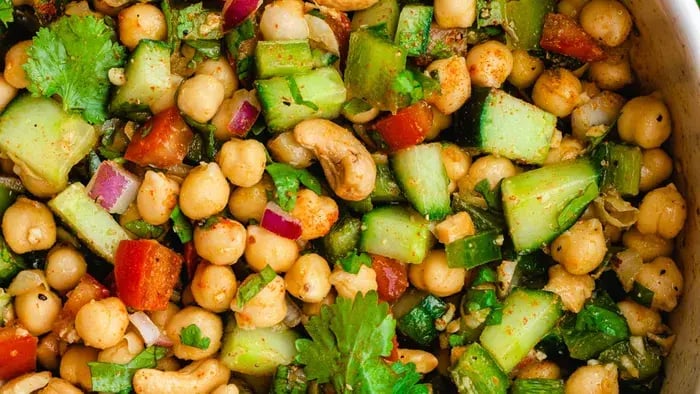
In some societies, consumption of meat is considered normal. On the other hand, in selective societies, consumption may be considered against societal norms or brutal. Hence, the quality and the type of diet a child consumes can be highly dependent on the norms of their immediate social circle. There are certain recipes and ingredients that have been preferred among specific cultures and societies since generations. In such a scenario, one may witness a significant inclination of people towards these recipes and ingredients.
Environmental and External Factors
Food Availability and Accessibility (Urban vs. Rural)

The availability of food resources is one of the key determinants in deciding the quality of diet a child will have. In underdeveloped countries, people living below the poverty line may struggle to provide even two meals for their child every day. In such a scenario, getting a balanced diet full of necessary nutrients may seem like a luxury. Moreover, the household income is also one of the major factors influencing what kind of diet a child gets at home. Parents who can afford to provide their child with a balanced and healthy meal may look for more complete and nutritionally dense food options.
Impact of Media and Market Trends
Market trends can have a deep impact on individuals' dietary choices, especially in today's age. Different types of companies can run marketing campaigns to attract kids and other target audiences. Moreover, kids can be influenced by the dietary choices of their friends and peers at school. This may compel the child to alter their dietary choices and choose food that everyone else is eating. It's important to understand that market trends may keep evolving, which is why such choices among kids may keep changing with time.
Climate and Agricultural Practices
Seasonal availability affects the variety of foods people eat in ways that urban grocery access only partially hides. Regions reliant on monsoon-sensitive agricultural cycles encounter consistent nutritional deficiencies during certain months when specific food groups become limited or excessively costly. Agricultural methods that place more importance on yield than nutritional density have slowly lowered the micronutrient levels of some staple crops compared to those grown two generations ago.
This change has been shown in soil quality studies, which have direct effects on how much nutritional value a child actually gets from foods that seem to be enough on a standard dietary chart. These environmental realities represent factors affecting nutritional status that operate entirely outside individual household control yet shape child nutrition outcomes with measurable consistency across affected regions.
Psychological Factors
Stress, Mood, and Emotional Eating
According to the J Obes. 2022 Apr 12, child's emotional state has a more direct and consistent effect on their eating habits than most parents realize until they see a pattern that they can't ignore. Kids who are under a lot of academic pressure, have social anxiety, or have a lot of family problems often eat in ways that are more about how they feel than how hungry they are. For example, they might eat a lot more than they need to or not eat at all when they're under a lot of stress. Both patterns compromise nutritional adequacy in different ways, and both qualify as meaningful factors affecting food and nutrition that require emotional support rather than dietary correction alone. A child who is eating poorly because they are anxious needs a different kind of help than one who is eating poorly because they don't have enough money or food.
Body Image and Eating Disorders
Eating disorders can be defined as a psychological condition in which a child may have abnormal eating patterns, such as eating a lot or not eating at all. Such extreme habits may have an impact on the way a child consumes their everyday meals. As per NLM, a child suffering from an eating disorder may have either extreme unhealthy eating habits, such as binge eating, or only consuming food items high in sugar. The other extreme can be not eating at all and having an unhealthy obsession with losing weight and looking slim. Kids suffering from such eating disorders may have some unconventional dietary choices.
Conclusion

While there are many factors that may impact your child's nutritional choices, the above are some of the common factors. Observing and studying these factors carefully may help parents understand some hidden trends as well as make more mindful dietary choices for their children. Nutritional choices for children are rarely simple, and the factors affecting food and nutrition explored above confirm that no single fix addresses every gap a child's diet may carry. Income, culture, psychology, environment, biology pull simultaneously in different directions, and the combination affecting each household is never identical.
Frequently Asked Questions
What are the main factors affecting nutrition in Indian children?

The primary factors affecting food and nutrition in Indian children include household income, parental awareness, regional food availability, cultural practices, and media influence on food preferences. Urban children are exposed to too much processed food, while rural children have gaps in their diets that change with the seasons. Each of these situations needs a different solution, not the same advice for all of them.
How does culture affect food choices in India?
Culture influences dietary selections via religious prohibitions, local customs, and intergenerational eating habits that possess social significance extending beyond mere nutrition. These factors affecting nutrition determine preparation methods, acceptable food combinations, and structurally absent nutrients across specific communities, making culturally sensitive dietary guidance far more effective than prescriptive advice that ignores how deeply food is tied to Indian family identity.
What is the role of BMR in child nutrition?
Basal Metabolic Rate tells you how many calories a child needs to stay alive and do basic things while they are resting. Among biological factors affecting nutritional needs, BMR varies significantly across children of the same age based on genetics and body composition, meaning identical diets can produce meaningfully different developmental outcomes in children whose metabolic baselines differ considerably from each other.
How can you ensure my child gets a balanced diet on a budget?
Affordable nutrient-dense staples like eggs, lentils, seasonal vegetables, and fortified cereals address most factors affecting nutritional status without requiring expensive specialty products. Parents can spend wisely on real nutritional gaps instead of trying to improve everything at once on a limited budget by batch cooking, switching out seasonal fruits and vegetables, and knowing which nutrients are most important for a child's stage of development.
Pakhi writes with the belief that dessert isn’t just a dish—it’s a mood. Her work blends storytelling with tips, turning timeless treats and trendy bites into accessible moments of comfort, celebration, and creative expression.
The views expressed are that of the expert alone.
Popular Topics