




 Parenting Guide


 Child Health & Growth


 Learning & Skills Development


 Food & Nutrition


 Bournvita





Introduction
Hard work, the very words, sometimes earn eye rolls and sighs from kids for reasons justifiable to them. But little do they know its value. Working hard boosts your kid’s self-esteem and cements their future affirmatively for them. When kids focus on effort and not only the result, it also becomes a game-changing trait for them.
It helps them view life differently while inculcating valuable life skills. But why is hard work so important? Since it makes sure your kid puts in the sweat and effort to deserve the goal they are working toward. It develops resilience and patience in them, along with a healthy dose of gratitude and humility.
A child who knows the effort it takes to prepare a meal simply by participating in it will think twice before wasting food or taking home-cooked meals for granted. Similarly, a child who has trained hard for a competition and got a rank will never underestimate the value of working hard.
Every kid is born talented in some ways, what sets them apart in the race is their level of dedication and hard work to their respective goals. Therefore, it is vital to start teaching your kids the value of hard work as early as possible. Here are some activities to help develop it in children.
5 Activities To Teach Kids The Value Of Hard Work
Chores
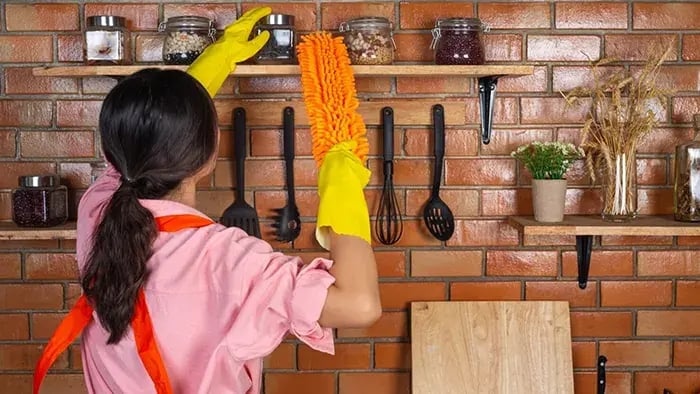
Household chores are an excellent way of teaching your kids the value of hard work. While it is expected to assign some household chores to kids, like folding their own clothes or keeping their own room clean. But they do not make the cut for teaching them the value of hard work and basic life skills. Make a weekly chart for the family, with each member taking turns at various household duties, like taking out the garbage, washing dishes, doing laundry, and watering the plants. This will keep your kids engaged and physically active at home while teaching them the hard work it takes to keep a house running and well-maintained. This will also keep them realistic and grounded.
Gardening
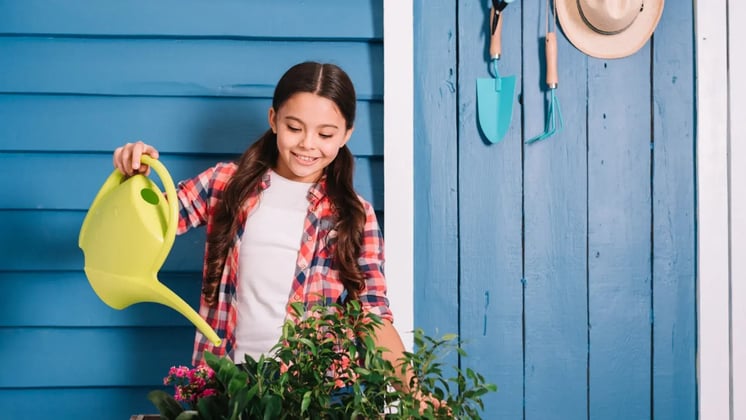
Gardening is an excellent source of fun learning for kids in this case, as few complain about the hard work it takes to dig, plant seeds, carry flowerpots, and pull-out weeds. But daily engaging in it for 30 to 60 minutes will keep your kids physically active and happy. Outdoors itself has become a rare treasure for kids nowadays. Relaxing in nature is simply the cherry on the top. This physical activity is indeed stress-relieving by nature, but it teaches your kids the value of getting messy while working hard and enjoying the feeling instead of hating it. Nobody appears perfect when they are busy working hard, and gardening encourages children to be okay and happy about it.
Volunteering
Volunteering at orphanages, dog shelters, and local non-governmental organizations is ideal for explaining to kids the value of hard work and the privilege they are already blessed and born with. When children see young kids, their age living a less fortunate life than theirs, their desire to work hard and give back something intangible yet valuable increases a lot. This is why, while volunteering requires a lot of time, commitment, and effort, once children experience it first-hand, most automatically begin working harder to do it and be better.
Grocery Shopping And Meals
Now, this may be tricky for some families to try, as most prefer eating traditional meals together, which can be challenging for kids. However, assign grocery shopping and meal preparations to kids based on age. For very young kids, it’s ideal to not let them near sharp objects or heat. Let them take care of grocery list-making and vegetable sorting. Teach your older kids how to cut and slice vegetables, fruits, and more. If your kids are in puberty or in their teens, start teaching them how to cook. Young kids can prepare salads and other non-heat foods in the meantime.
Babysitting
Babysitting is ideal for kids aged 9 and older. At this age, they can take care of their basic needs and learn to be responsible for others. Be there to guide them, but do not help them out first. Let them learn and make mistakes first-hand. Your presence and timely intervention will be there to support them. From changing diapers to getting babies to burp, all these activities require a lot of patience and effort. And since patience is hard work’s best friend, these traits are best imbibed together.
Tips to Teach Kids the Value of Hard Work

Start with small, age-appropriate tasks
Give your child tasks that are age and ability-appropriate. A toddler can put toys up. Even a seven-year-old can do laundry. Small is confidence-building and not overwhelming. The value of hard work is taught through manageable wins. They get motivated to do more with every completed task. Keep it simple. Keep it real. Do it the same day, every day.
Focus on effort, not just results
It’s more important to praise effort than the outcome. Your child needs to know that hard work is always good enough. Results will improve over time with regular practice. When kids feel safe to struggle, it increases the importance of hard work. Never let them think that failure is the end. No matter what happens, it’s always worth celebrating effort.
Encourage consistency over perfection
It’s not about perfection. It’s about showing up every day. Help your child develop a routine that can be sustained. The best activities to teach kids hard work are those that are practiced on a daily basis. Discipline is better learned in consistency than in one big win. Show them that the small efforts each day do add up. One perfect moment is less powerful than progress over time.
Appreciate their hard work regularly
Never let effort go unacknowledged in your home. A simple “well done” can go a long way. Children need to feel their efforts are being appreciated. Parents need to encourage regularly to teach the value of hard work. Specific praise is more effective than general compliments. Instead of saying “good job," try saying “I noticed how hard you worked on that.”
Lead by example
Your child is watching you all the time. Show them in life what hard work looks like. Be open about your own goals, struggles, and efforts. Show the value of hard work for kids through your daily actions. Demonstrate to them that you can complete tasks without quitting. Children of hardworking parents tend to be hardworking themselves.
Common Mistakes Parents Should Avoid
Expecting quick results
It takes time to work hard, for adults and for children. Expecting quick results puts unfair pressure on your child. It kills motivation before the habit is even formed. First, parents need to be patient to teach the value of hard work. Allow your child the time to get better. You don’t see it all the time, but they’re making progress.
Comparing children with others
Each child progresses and learns at his or her own speed. It is very harmful to compare your child with siblings or classmates. It leads to self-doubt and kills the motivation to try. Teaching kids that hard work can never be competitive. It has to be personal. Keep moving forward and improving in just your child’s progress.
Over-helping instead of letting them try
If you jump in and fix things, you rob the learning moment altogether. Let your child struggle a bit—it builds resilience. Over-helping means they’re unable to help themselves. When children work out problems independently, their appreciation for hard work grows. Keep your distance, observe, and only step in when you must. Let the child work things out for themselves.
Not acknowledging effort
To ignore effort, even small effort, is to miss an opportunity. Children need validation to keep going and to stay motivated. To a young child silence can sometimes seem like disapproval. Teaching the value of hard work means pointing out and naming their work out loud. Make it a practice to recognize what they did, not just what they accomplished. This makes kids want to keep working hard.
Making tasks feel like punishment
Chores and responsibilities should never be a punishment. Children begin to dislike tasks linked to punishment. It establishes a negative relationship to work and effort. The work should always feel purposeful and age-appropriate to kids who are learning about hard work. View tasks as contributing to the family, not as punishments. Work is made meaningful, and children will do it naturally.
Conclusion

Hard work has no shortcuts or tricks to get ahead. You have to put in effort to see results. However, once this philosophy becomes clear to children through the above-mentioned activities, your worries as parents will mostly cease to exist.
Frequently Asked Questions
How can I teach my child the value of hard work?

Start with small daily tasks, praise their effort at all times and be a role model. Kids learn by looking and doing, not by listening to instructions.
Can chores help teach hard work?
Yes, age-appropriate chores develop responsibility and discipline. They teach kids that hard work pays off and that it’s important to help the family.
How do I motivate my child to work hard?
Celebrate little victories, establish realistic objectives, and encourage. Try not to pressure and compare. Kids are motivated when they think they can do it and when they feel like their parents are really proud of them.
What skills do kids learn from hard work?
Hard work teaches discipline, patience, problem-solving, and resilience. These skills help children succeed in school, in relationships, and in all aspects of adult life.
Kaushiki Gangully is a content writing specialist with a passion for children's nutrition, education, and well-being. With more than five years of writing experience and a science-based background, she provides nuanced insights to help families raise happy, healthy kids. Kaushiki believes in making learning and healthy eating fun, empowering parents with practical, easy advice.
The views expressed are that of the expert alone.
Popular Topics