



 Parenting Guide


 Child Health & Growth


 Learning & Skills Development


 Food & Nutrition


 Bournvita





Introduction
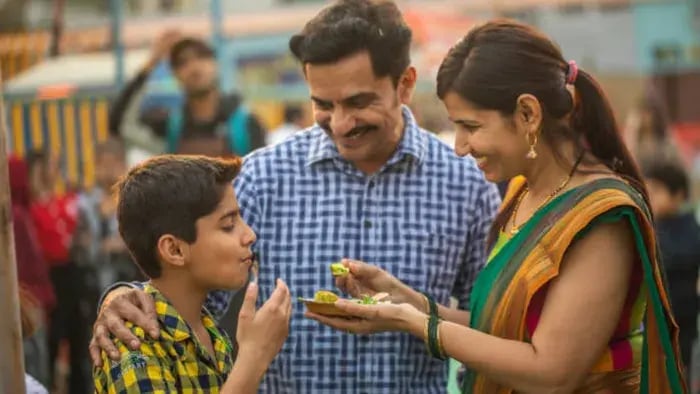
Evenings at home often revolve around togetherness, and let’s be honest, a little snacking too. From kids walking in hungry after school to grown-ups winding down with a cup of chai, something warm and tasty always finds its way to the table. For families looking for healthy evening snacks for kids, this short window in the day can be a great opportunity to serve snacks that are both comforting and nourishing. Instead of reaching for a packet of chips or frying up something quick, everyday ingredients can be turned into wholesome bites with a little effort. And for busy evenings, some of these ideas can come together with just 5-minute prep when the ingredients are ready.
Indian kitchens already have everything needed: dal, vegetables, millets, paneer, and spices. These everyday ingredients can become satisfying snacks that support energy without feeling heavy. A colorful plate with the right textures and flavors can do more than fill a gap. It can lift moods, fuel the evening, and help families build better food habits without giving up on taste.
Why Evening Snacking Matters for Indian Families

Evenings are when appetites peak and energy dips, especially for kids returning from school, adults winding down from work, and elders needing something light before dinner. It’s that time when everyone craves something warm, flavorful, and comforting. But instead of relying on deep-fried or packaged foods, evening snack ideas can become daily opportunities for nourishment.
These seven snack ideas blend familiar Indian flavors with smart choices, helping families serve something that is satisfying, easy to prepare, and enjoyable for different age groups.
1. Vegetable Moong Dal Chilla
Made with soaked and ground moong dal, according to a study published in Nutrients in 2019, this chilla is rich in protein and easy on the stomach. Add grated carrots, chopped spinach, or onions to boost its fiber and vitamin content.
Ready in 15 minutes: It cooks quickly on a tawa and works well with a side of curd or mint chutney. It can also be cut into strips for younger kids to nibble on.
2. Stuffed Sweet Potato Tikkis
As per a study published in Antioxidants (Basel) in 2022, sweet potatoes are a natural source of fiber and beta-carotene. When mashed and mixed with spices, herbs, and a filling of peas or paneer, they turn into delicious tikkis that are both satisfying and healthy.
Bake them at 200°C to 220°C for about 20 to 25 minutes or shallow-fry them in ghee for a lighter take. Pair with coriander chutney for extra zing.
3. Poha with Peanuts and Vegetables
Flattened rice cooked with peanuts, mustard seeds, curry leaves, and finely chopped seasonal vegetables creates a soft, fluffy snack that doesn’t feel heavy and often has protein. Lemon juice adds freshness, while roasted peanuts give crunch and protein.
Poha is also a practical choice for kids and elders alike due to its familiar texture and easy preparation.
4. Multigrain Mini Parathas with Hung Curd Dip
According to FSSAI, use a mix of whole wheat, ragi, and jowar flours to make nutrient-dense parathas. Stuff them with paneer, grated beetroot, or methi. Cook with minimal oil and cut them into quarters or roll them like pinwheels.
Serve with a herbed hung curd dip or a tangy tomato chutney for extra flavor and probiotics. Their mini size also makes them easy for kids to hold and enjoy.
5. Besan and Methi Cheela Rolls
A study published in J Food Sci Technol in 2022 shows that chickpea flour (besan) is full of protein and blends beautifully with fresh methi leaves. This cheela cooks fast and can be rolled with a light paneer or vegetable filling.
It’s soft, flavorful, and travels well too, making it a smart pick for a child’s tiffin, school snack, or even travel food. It is an easy addition to a list of evening snacks for kids Indian families can make with everyday ingredients.
6. Corn and Vegetable Bhel with Roasted Makhana
This delicious snack is made by combining boiled sweet corn, chopped tomatoes, cucumber, onion, grated carrot, and roasted makhana (fox nuts), all tossed together with chaat masala and a squeeze of lemon.
According to FSSAI, it offers fiber, hydration, and crunch in every bite. It’s a perfect option for hot summer evenings and a great way to curb junk food cravings. Since it requires no lengthy cooking, it can also work well as a quick no-cook evening snack when most of the ingredients are already prepared.
7. Homemade Dhokla with Spiced Coconut Chutney
According to a study published in J Food Sci Technol in 2018, made from a fermented batter of besan and curd, dhokla is rich in protein and supports gut health. It’s steamed instead of fried, making it light and fluffy.
Top it with a tadka of mustard seeds, curry leaves, and green chilies, and serve with coconut or green chutney for that authentic Gujarati touch. Its fermented preparation also makes it a comforting choice when a light snack with a gut-health angle is preferred.
Tips to Make Evening Snacks Healthier
Small changes can make everyday snacks more balanced without taking away their flavor.
- Choose lighter cooking methods: Swap deep-frying for steaming, baking, or cooking on a tawa whenever possible.
- Control portions: Serve enough to satisfy hunger without making the snack too heavy before dinner.
- Pair with protein: Add curd, paneer, peanuts, or a suitable chutney to make snacks more filling.
- Prep ahead: Keep chopped vegetables ready or prepare batters in advance to make evening snacks quicker on busy days.
- Add variety: Rotate lentils, vegetables, millets, poha, and other everyday ingredients instead of serving the same snack repeatedly.
Conclusion
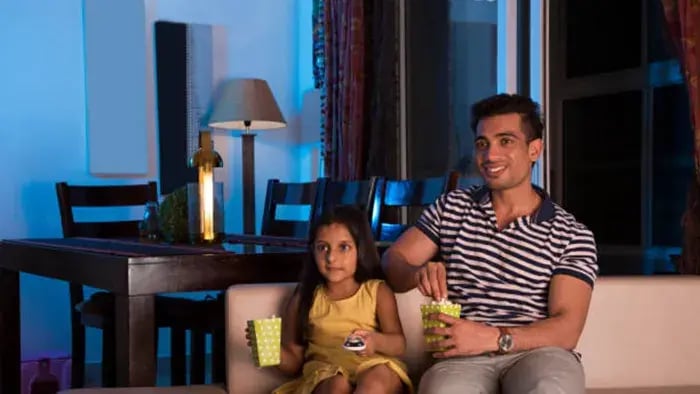
Evening snacks can either fill the family up the right way or leave everyone feeling sluggish. With a little thought and the right ingredients, you can create a snack table that brings joy and nutrition together. These seven ideas are part of a larger shift toward eating well without overthinking. When families prioritize balance, taste, and variety, snack time becomes something everyone looks forward to and something that feels good to serve. For families searching for healthy evening snacks for kids, these ideas offer a simple starting point. Save this list for the next busy evening and decide which one to try first.
Frequently Asked Questions
What are some quick healthy evening snacks for kids?

Vegetable moong dal chilla, poha with peanuts and vegetables, besan and methi cheela rolls, mini parathas, and corn and vegetable bhel with roasted makhana are quick options. They use familiar ingredients and can be adjusted to suit a child’s preferences.
What are good protein-rich evening snacks in Indian cuisine?
Moong dal chilla, besan and methi cheela, paneer-stuffed parathas, and dhokla are Indian snack options that contain protein-rich ingredients. Pairing them with curd can also make the snack more satisfying.
The views expressed are that of the expert alone.
Popular Topics