




 Parenting Guide


 Child Health & Growth


 Learning & Skills Development


 Food & Nutrition


 Bournvita






Introduction
Learning becomes much more exciting when it feels like play. Fun kids knowledge games combine entertainment with education, helping children build new skills while staying engaged away from screens. Whether played at home or in the classroom, these activities encourage curiosity, teamwork, and creative thinking in a relaxed and enjoyable way.
Exciting knowledge games for kids are designed to strengthen learning through puzzles, quizzes, problem-solving, and interactive challenges. They make it easier for children to remember concepts, improve communication, and develop confidence while having fun with family and friends.
What Are Knowledge Games and Why Do They Matter?
Knowledge games are educational activities that combine learning with play. Instead of memorising facts from books, children learn by solving problems, answering questions, working in teams, and thinking creatively. This active style of learning keeps children interested while reinforcing important concepts.
Some of the biggest benefits of fun kids knowledge games include:
- Improve memory, concentration, and problem-solving skills.
- Develop creativity, communication, and teamwork.
- Encourage curiosity and a love for learning.
- Build confidence through participation and friendly competition.
- Reduce screen time by promoting meaningful offline activities.
7 Fun Games for Kids To Make Learning Fun And Interesting
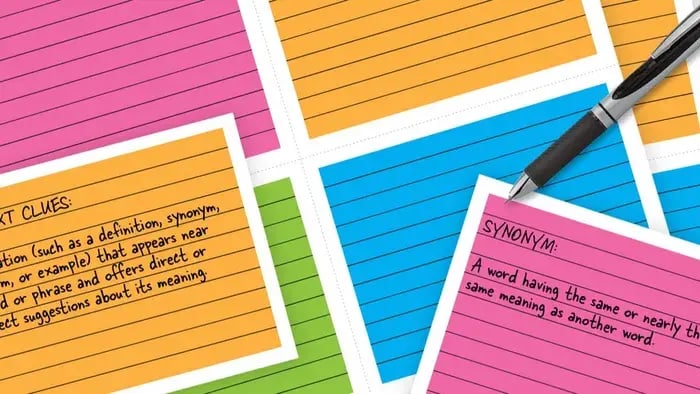

If you're on the search for some engaging educational games for your child, then your research is over. Here is a list of games that can make learning a lot more fun than usual.
Geography Puzzles
These puzzles are a great way to enhance your child's geographical knowledge while also developing their motor skills. Such puzzles consist of small pieces that have to be joined together in a particular manner. This could be a landscape, a map of some country or continent, a historical place, or anything similar. Kids get a picture of the solved puzzle for reference. Now the task is to put all the fragmented pieces together and solve the puzzle as fast as possible.
Best for age:7–12 years
Skills developed:Geography knowledge, observation, memory, logical thinking
Memory Games
Memory games can be played in several different ways. For example, you can select a particular song or a poem. Now you can play it in front of your child and all the other participants. Let them hear this carefully before switching the sound off. Now the task is for every member to speak one line of that particular poem. The next person will have to continue the song or the poem in the same manner as the original one. Anyone who doesn't do the same gets eliminated.
Best for age:4–10 years
Skills developed:Memory, concentration, visual recognition, attention span
Pictionary
Pictionary is a game inspired by charades. It is especially beneficial for younger kids who have just started to recognize various shapes. The game requires at least two players. One player must draw a particular object that comes to their mind within a given time limit. As soon as they have drawn the object, the task of the other player on their team is to guess that object from the drawing. The team that ends up guessing the most objects is declared the winner.
Best for age:6–14 years
Skills developed:Creativity, communication, vocabulary, teamwork
Four Corners
Four Corners is a simple game that can instantly energize the kids. It can also be an interactive classroom activity. The teacher can divide the kids into four different groups. One kid needs to be blind. The rest of the kids can simply run into four different corners of the room. The blindfolded kid will then randomly point at any corner of the room. It is then that all the students standing in that corner will be eliminated. This step will be repeated until only a single corner is left. Now these kids will again divide themselves into four different corners. The process will be repeated again and again until one kid is gone and is declared the winner. It is great for spatial awareness and critical thinking.
Best for age:6–12 years
Skills developed:Decision-making, critical thinking, confidence, active participation
Invent A Solution
Inventing a solution is a game that requires all the kids to come together and work on a particular problem. Parents or teachers can give an imaginary problem to the kids. For example, what if an alien spaceship had attacked the Earth? Describe the series of events that will follow and what needs to be done to protect human beings. This will push the kids to explore more about aliens and such attacks. It will also make kids understand its repercussions and how they can defend themselves.
Best for age:8–15 years
Skills developed:Innovation, problem-solving, presentation skills, creative thinking
Advertisement Making
Kids are extremely creative, and this creativity can be used to make something substantial through the right kind of activities and games. To play this game, you may divide all the kids into different teams. Now you may give them the task of creating an advertisement for a particular product. To one team, you can give cup noodles, to the other team, you can give a footwear brand. To another team, you may give a handbag. Kids will creatively engage in the process of writing a script, acting, and then creating an advertisement.
Best for age:9–15 years
Skills developed:Creativity, persuasion, teamwork, public speaking
Subject Quiz
This can be a great assessment game that keeps kids competitive and encourages them to learn more. After a particular lesson has been concluded, teachers can announce the upcoming quiz. Children may return home and learn as much as they can about a specific topic. The next day, the teacher may divide the kids into four different teams and ask questions one by one. A proper quiz contest can be organized where marks are given to kids based on their answers. The team that scores the most is declared the winner.
Best for age:6–15 years
Skills developed:Subject knowledge, quick thinking, recall, confidence
Tips for Making Knowledge Games More Effective
A few simple changes can make exciting knowledge games for kids even more enjoyable and educational.
- Rotate different games every week to maintain curiosity and prevent boredom.
- Mix indoor, outdoor, individual, and group activities to develop a variety of skills.
- Connect games to current school lessons so children reinforce classroom learning in a fun way.
- Focus on participation and learning rather than only winning.
- Encourage children to ask questions and explain their answers to deepen understanding.
Conclusion
Knowledge games make learning enjoyable by combining curiosity, creativity, and teamwork with everyday lessons. Whether played at home or in school, these fun kids knowledge games help children develop important academic, social, and thinking skills while reducing screen time. Try introducing one new game each week and watch learning become an activity your child genuinely looks forward to.
Frequently Asked Questions
What age group are knowledge games best suited for?

Knowledge games can be adapted for children of almost any age. Most activities work well for ages 4–15 years by adjusting the difficulty level.
How do knowledge games help in a child's overall development?
Knowledge games improve memory, problem-solving, creativity, communication, teamwork, confidence, and critical thinking while making learning enjoyable and reducing screen time.
Her love for storytelling began with reading her grandfather’s speeches, where Tarishi saw the power of words in creating lasting memories. Combining her passions for food and writing, she has turned her life into a fulfilling path of sharing stories that celebrate flavours and how food brings communities together.
The views expressed are that of the expert alone.
Popular Topics