




 Parenting Guide


 Child Health & Growth


 Learning & Skills Development


 Food & Nutrition


 Bournvita






Introduction

Eating healthy food is an important part of a well-balanced lifestyle. The eating habits children develop early in life shape how they will approach food when they grow. According to nutrients published in 2023, a child who eats a well-balanced, healthy diet is less likely to develop chronic health problems. Instead of focusing on strict food rules, parents should help children build a positive relationship with food by exposing them to balanced meals, different food choices, and regular mealtimes.
Teaching good eating habits for kids is not as complicated as it might sound. All you need to do is just inculcate simple habits, such as eating regular meals, drinking enough water, enjoying fruits and vegetables, and sitting down for family meals. These habits can become a natural part of their everyday lives even after they grow up. Parents can also encourage children to pay attention to their hunger and fullness, and eat accordingly, instead of asking them to eat a fixed amount.
Ultimately, the goal is to make healthy eating a comfortable and positive part of a child's routine. When children learn these habits early, they can carry them into later stages of life.
What Are Good Eating Habits for Kids?
Good eating habits for kids mean ensuring they are having regular meals and snacks, eating a variety of foods, staying hydrated, and learning to notice hunger and fullness cues. You can offer children different foods without being pressured to eat everything on their plate.
It is also important to have a positive mealtime environment. Parents can make meals relaxed and enjoyable by sitting with their children, keeping distractions away, and talking positively about food. These healthy food habits for kids can help children become more comfortable with different foods while learning to listen to their bodies.
Healthy Food Habits Every Parent Should Teach Their Kids
Teaching healthy eating habits from an early age can enhance your child's understanding of nutrition and health. Here are some top healthy food habits that you may explain to and teach your child.
Eat a Well-Balanced Breakfast
Breakfast is the first meal that your child is supposed to have after a sabbatical of 7 to 8 hours. As per nutrients published in 2018, breakfast can impact your child's cognition and ability to concentrate on a particular task. Moreover, a healthy and heavy breakfast is supposed to provide instant energy for your child to get through the day until their lunch break. Skipping breakfast may lead to fatigue, exhaustion, and even fainting. Hence, kids need to have a proper breakfast before rushing to school.
Choose Healthy Snacks
Between the three major meals of the day, it's common for kids to feel hungry, specifically during the evening. However, it is important to remember that kids should refrain from eating unhealthy snacks that are high in calories and preservatives. As per the BMC Psychiatry published in 2024, unhealthy snacks with higher amounts of sodium, sugar, and trans fat can lead to sudden weight gain. Moreover, it may enhance the risk of chronic health problems. To avoid this, you may provide your child with some healthier snacking options and try to regulate their snack consumption as much as possible.
Hydrate Properly
Just like eating healthy, you must also focus on your child's water intake to ensure they remain properly hydrated. Because of constant physical activity and movement, your kid may experience severe loss of water from their body, specifically during summer. Parents should encourage their children to drink at least 7 to 8 glasses of water every day to make up for the lost water. As per the Author Manuscript published in 2011, drinking enough water is related to a lower risk of fatigue, exhaustion, and mood swings among kids.
Consume Fruits and Vegetables

According to Elsevier, published in 2012, different types of fruits and vegetables are a significant source of vitamins and minerals that help strengthen a child's immune system. Cruciferous vegetables are rich in fiber, which makes them great for digestion. Moreover, fruits like bananas, apples, and oranges are also rich in fiber, making them equally beneficial for a child's body. Making your child eat a well-balanced diet filled with lots of fruits and vegetables may also reduce the likelihood of cardiovascular problems and other health concerns.
Eat Meals with Family
When a family eats together, all the members are likely to have a better bonding time and consider meal time important. Making your child sit with the whole family for at least one meal a day is a good way to get them involved while also making them eat healthy. This way, parents can positively influence their children's minds and help them improve their eating practices. As per the Maternal & Child Nutrition published in 2016, a meal time with family may not only help parents alter a child's dietary choices but also help with better weight management and portion control.
Keep Phones Away While Eating
To gain the best gastronomical experience while enjoying one's meal, parents must try to implement a ‘no phone’ policy during meal times. This is a great way of making the child concentrate on their food and understand its flavors very well. In such a way, the child might also develop a deeper respect and understanding of nutrition and food. The lack of distraction because of phones may also enhance the feeling of satisfaction and fullness among kids.
Listen to Hunger and Fullness Cues
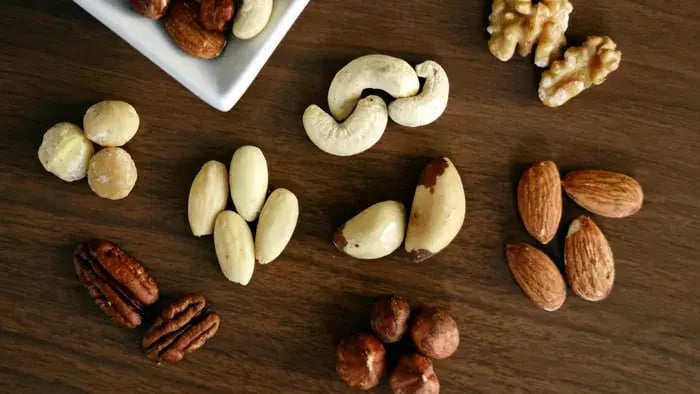
Children do not need to finish everything on their plates. Instead, parents should encourage them to notice how their bodies feel before, during, and after eating. Some days, a child may eat more, while on other days, they may eat less. Appetite can also change based on age, activity, and other everyday factors. Parents should offer appropriate foods and allow children to decide how much they want to eat. Without pressure to clear the plate, children can learn to recognize their own hunger and fullness cues.
| Good Eating Habit | What Kids Should Do | Importance |
| Eat a Balanced Breakfast | Start the day with a nutritious mix of foods. | Provides nutrients and supports energy for the day. |
| Choose Healthy Snacks | Pick fruits, vegetables, yogurt, or other nutritious snacks. | Helps children meet their nutritional needs between meals. |
| Drink Enough Water | Sip water regularly throughout the day. | Helps maintain proper hydration. |
| Eat Fruits & Vegetables | Include a variety of colorful fruits and vegetables. | Provides important vitamins, minerals, and fiber. |
| Enjoy Family Meals | Sit together and enjoy meals without pressure. | Creates a positive mealtime environment and encourages healthy eating habits. |
| Keep Phones Away While Eating | Keep phones and other distractions away from the table. | Helps children focus on their food and recognize fullness. |
| Listen to Hunger & Fullness Cues | Eat when hungry and stop when comfortably full. | Helps children become more aware of their body's signals. |
How Parents Can Model Positive Eating Habits
Children learn by watching the adults around them. Parents should model good eating habits for kids by enjoying a variety of foods, eating regular meals, and using neutral language when talking about food. Parents should also ask children to participate in simple activities such as choosing fruits and vegetables while shopping, washing produce, mixing ingredients, or helping with age-appropriate cooking tasks. These activities can make children more familiar with the foods they eat. Parents should also avoid using food as a reward or punishment. For example, offering dessert as a reward for finishing vegetables can make some foods seem more desirable than others. Instead, parents can offer different foods without pressure and allow children to develop their own preferences.
Tips for Picky Eating Without Pressure
Picky eating can be a normal part of childhood. Parents should offer foods that a child has previously refused without forcing them to eat.
Try serving a small portion of a new or less familiar food alongside one familiar food that the child already accepts. Repeated, neutral exposure can give children more opportunities to become comfortable with new foods.
If a child does not want to eat a particular food at one meal, offer it again another time. Keeping mealtimes calm can make it easier for children to explore different foods without feeling pressured.
Simple Daily Routine
A simple routine can help children become familiar with regular meals and snacks. For example, a child may have breakfast in the morning, a snack later, lunch around midday, an afternoon snack, and dinner in the evening. The exact timing can vary depending on the child's age, school schedule, activity level, and family routine. The focus should be on offering regular opportunities to eat rather than following a strict clock.
Conclusion
Building healthy food habits for kids starts with simple and positive changes at home. Regular meals, nourishing snacks, hydration, fruits and vegetables, family meals, fewer distractions, and attention to hunger and fullness can all become part of a child's everyday routine. Parents do not need to make every meal perfect. Offering variety, keeping mealtimes relaxed, and allowing children to listen to their bodies will help make healthy eating a natural part of growing up.
Frequently Asked Questions
What are good eating habits for kids?

Good eating habits include regular meals and snacks, eating a variety of foods, drinking water, enjoying family meals, and listening to hunger and fullness cues.
Should children finish everything on their plate?
No. Children can be encouraged to notice when they feel full instead of being pressured to finish everything on their plate.
How can parents help a picky eater?
Offer small portions, include one familiar food, and repeatedly introduce less familiar foods without pressure. Respect the child's appetite and keep mealtimes relaxed.
Is eating together as a family helpful?
Family meals can give children an opportunity to observe positive eating habits, enjoy conversation, and become more comfortable with shared mealtimes.
The views expressed are that of the expert alone.