




 Parenting Guide


 Child Health & Growth


 Learning & Skills Development


 Food & Nutrition


 Bournvita





Introduction
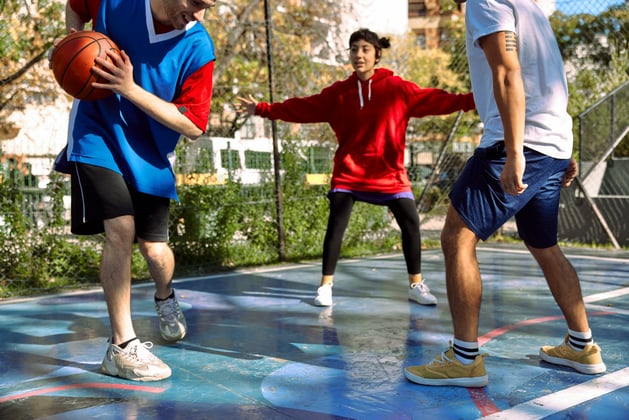
Upper body strength activities for kids are important as they lead to better sports performance, self-esteem, and bone health. Games such as baseball, tennis, basketball, and similar activities help develop upper-body strength. Upper body exercises for kids also lead to better bone health and improved overall balance. This guide looks at why upper-body strength is important for kids and offers exercises to build shoulder strength while also emphasising caution to prevent injuries.
Why Upper Body Strength Matters for Kids
Upper-body strength is important for kids as they develop shoulder stability through exercise. Everyday fine motor skills like coordination, postural control, handwriting, playing catch, reaching, picking up tiny items, and many more such activities benefit from upper body exercises for kids. When you move your hands and fingers, your upper body and shoulders need to be stable and contracted, and for this, shoulder strengthening activities can be of great help.
10 Fun Activities to Build Upper Body Strength in Kids
Monkey Bars
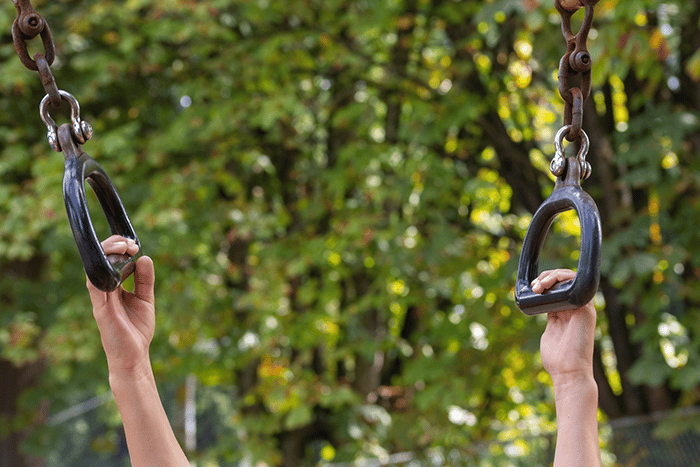
Monkey bars are a classic playground favorite that significantly boosts upper body strength. When children use monkey bars, they engage their arm, shoulder, and back muscles to swing from one bar to the next. This activity also requires coordination and visual-spatial skills, as children must judge distances and timing to successfully move along the bars. The sense of accomplishment they feel upon mastering the monkey bars boosts their confidence and encourages further physical activity.
Best for age: 5–10 years
Climbing Trees or Playground Equipment
Climbing trees or playground equipment such as ladders, ropes, and rock walls offers an adventurous way to build upper body strength. These activities demand the use of arm and shoulder muscles to pull the body upward, while also enhancing grip strength. Climbing also promotes problem-solving skills as children navigate the best routes to reach the top, encouraging both physical and cognitive development.
Best for age: 4–10 years
Animal Walks
Animal walks are playful yet effective exercises for developing upper body strength. Examples include the bear walk (crawling on hands and feet), seal walk (dragging the body forward using arms while legs stay straight), and donkey kicks (kicking legs up while balancing on hands). These activities require children to bear weight through their arms and hands, strengthening their shoulders, arms, and core muscles. Additionally, animal walks improve coordination and balance, making them a holistic exercise option.
Best for age: 3–8 years
Balloon Volley
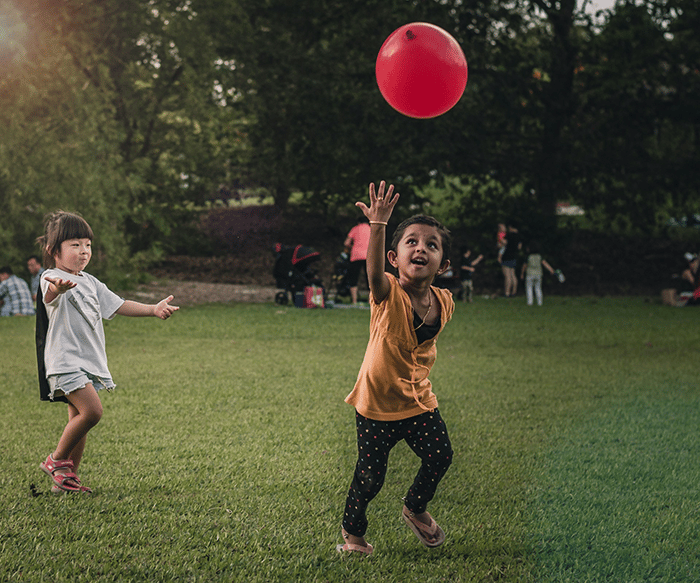
Balloon volley involves keeping a balloon in the air using only the hands, requiring children to reach up and tap the balloon continuously. This activity is excellent for building shoulder and arm strength, as children must maintain their arms above their heads for extended periods. The light resistance of the balloon also helps in developing endurance and control, making it a fun and engaging way to work out.
Best for age: 3–8 years
Yoga Poses
Yoga poses such as downward-facing dog, plank, and child’s pose are wonderful for building upper body strength in children. These poses require them to support their body weight using their arms, shoulders, and core. Yoga also promotes flexibility, balance, and mindfulness, offering a comprehensive approach to physical and mental well-being. Incorporating yoga into a child's routine can help them develop a healthy relationship with exercise from an early age.
Best for age: 4–10 years
Skipping Rope
Skipping rope is a high-energy activity that helps in strengthening the upper body, particularly the shoulders. While jumping, children must keep their shoulders steady to control the movement of the rope, leading to isometric contraction (stability) of the shoulder muscles. This activity also improves cardiovascular health, coordination, and rhythm, making it a well-rounded exercise for young children.
Best for age: 5–10 years
Washing Windows, Table Tops, and Desks
Involving children in household chores like washing windows, tabletops, and desks can be surprisingly effective for building upper-body strength. The repetitive circular motions and the effort required to scrub surfaces engage the arm, shoulder, and back muscles. Children often enjoy these tasks as they feel helpful and responsible, turning a boring chore into a strength-building activity.
Best for age: 4–10 years
Playing Catch with an Exercise Ball or Weighted Ball
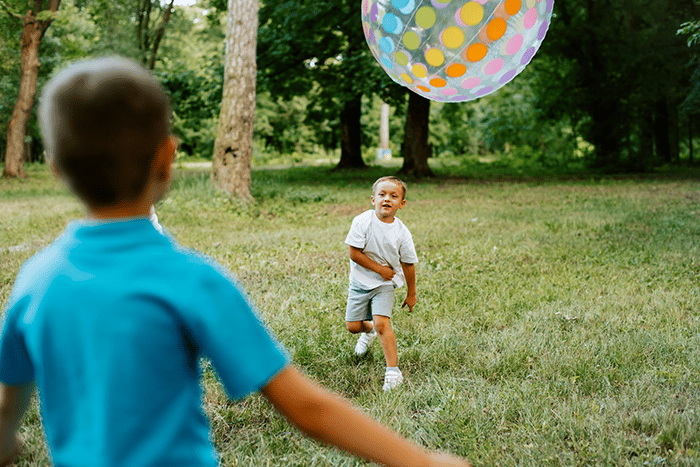
Playing catch with a large exercise ball or a weighted ball is another fun way to develop upper body strength. The weight of the ball requires children to use their arm and shoulder muscles to throw and catch it. This activity also enhances hand-eye coordination, reaction time, and overall physical fitness. Using different weights and sizes of balls can vary the challenge and keep the activity interesting.
Best for age: 5–10 years
Drawing, Writing, or Coloring on a Vertical Surface
Encouraging children to draw, write, or color on a vertical surface, such as wall-mounted paper, can help build upper body strength. This position requires them to raise their arms and maintain them in an elevated position for extended periods, engaging the shoulder and arm muscles. It also promotes fine motor skills and creativity, making it a beneficial and enjoyable activity.
Best for age: 3–7 years
Safety Tips for Strength-Building Activities in Kids
Strength-building activities are safe for children when adults supervise them, and the activities are age-appropriate. Try to encourage proper technique rather than speed or competition, and allow your kids to have plenty of time for rest and hydration while doing the exercises. Just make sure that children are enjoying these exercises for the upper body without feeling pressured to perform or overtrain.
Conclusion
To build upper-body strength in kids, the exercises need not be very complicated. Simple everyday activities such as climbing, playing, skipping, and even helping with household chores can strengthen their muscles and improve coordination and confidence. If your kids are consistent in their exercises to build shoulder, and it is a part of their daily routine, then they will develop healthy exercise habits for lifetime.
Frequently Asked Questions
How often should kids do upper body strengthening exercises?

Children can participate in upper body strengthening activities three to five times a week as part of active play. These exercises do not need to be structured workouts and can easily be included in everyday physical activities.
Can everyday chores really help build a child's strength?
Yes. Simple chores such as wiping tables, washing windows, carrying light items, or helping in the kitchen can improve upper body strength, coordination, and motor skills while teaching children responsibility.
The views expressed are that of the expert alone.
Popular Topics