




 Parenting Guide


 Child Health & Growth


 Learning & Skills Development


 Food & Nutrition


 Bournvita






Introduction
GK questions for children can turn an ordinary conversation into a fun little learning moment. Kids are curious in general to know about how things work. From why stars twinkle to how birds find their way across long distances, they want to know everything happening under and above the sky! When general knowledge is shared with kids in an engaging way, it can spark joy, laughter, and discovery while helping children connect what they learn with the world around them.

Regular conversations around easy general knowledge questions for kids can also support memory, communication, and confidence. These questions do not need to feel like a test or homework. These can just be questions during dinner, a walk, or before bedtime that can lead to another question, a new idea, or an interesting conversation with your kids. Read further to know about these questions that will not only increase their general knowledge but also develop their curiosity and keep their minds open and engaged.
9 General Knowledge Questions to Spark Your Kid's Curiosity
These questions cover simple facts from science, history, geography, nature, and the human body.
Why Do Stars Twinkle?
Stars appear to twinkle because their light passes through different layers of Earth's atmosphere before reaching the eyes. Moving air bends the light slightly, making stars look as though they are blinking. This can lead to conversations about planets, space, and telescopes.
Who Was the First Person to Walk on the Moon?
Neil Armstrong was the first person to walk on the Moon in 1969 during NASA's Apollo 11 mission. This fact can open up questions about rockets, astronauts, space travel, and what life is like beyond Earth.
Why Do Leaves Change Colour in Autumn?
Leaves change colour when chlorophyll, the green pigment in leaves, starts to break down as temperatures become cooler and daylight decreases. Other pigments then become more visible, creating shades of yellow, orange, and red. It is a simple way to introduce children to seasons and plant life.
Which River Is the Longest?
The Nile River in Africa is traditionally recognised as the world's longest river, although some studies have debated whether the Amazon may be longer depending on how its source is measured. This question can lead to fun geography discussions about rivers, countries, maps, and how water supports communities.
Why Do We Have Time Zones?
Earth rotates on its axis, so different parts of the planet face the Sun at different times. This is why it can be daytime in one country while it is night in another. Time zones help different regions keep track of local time.
Who Wrote the Indian National Anthem?
Rabindranath Tagore wrote "Jana Gana Mana", which later became India's national anthem. Originally written in Bengali, it was officially adopted as the national anthem in 1950. This question can introduce children to Indian history, literature, poetry, and national symbols.
What Causes a Rainbow?
A rainbow forms when sunlight passes through water droplets in the air. The light bends, reflects, and separates into different colours, creating the familiar rainbow. This is a fun way to introduce children to light, rain, and basic science.
How Do Birds Know Where to Migrate?
Many migrating birds use several natural cues to find their way, including the Earth's magnetic field, the position of the Sun, and the stars. Their ability to navigate over long distances helps children learn about animal behaviour, changing seasons, and survival in nature.
What Is the Smallest Bone in the Human Body?
The stapes, a tiny bone in the middle ear, is the smallest bone in the human body. It helps transmit sound vibrations through the ear. Learning about it can lead to interesting conversations about hearing and how different parts of the human body work together.
Tips for Making General Knowledge Fun, Not a Quiz
General knowledge becomes more enjoyable when children feel free to be curious rather than worried about getting every answer right. A few simple approaches can make these conversations part of everyday life.
Let Kids Guess First
Ask a question and give children time to think before revealing the answer. Even a wrong guess can lead to an interesting discussion about why the correct answer makes sense.
Turn Questions Into a Game

Keep a few easy general knowledge questions for kids ready for car rides, meals, or family time. Give points for correct answers, interesting guesses, or even good follow-up questions rather than focusing only on winning.
Follow Their Curiosity
If a child asks why the Moon has craters after a space question, follow that thread instead of moving straight to the next question. Their own questions can become the best starting points for learning.
Mix Easy and Tricky Questions
Start with questions children can answer confidently, then add a few that make them think. This keeps the activity enjoyable without making it feel like a school test.
Connect Facts to Everyday Life
Look for examples around the child. Talk about clouds after a storm, birds in the garden, or different time zones when speaking to relatives in another country. Real-life examples make facts easier to remember.
Conclusion
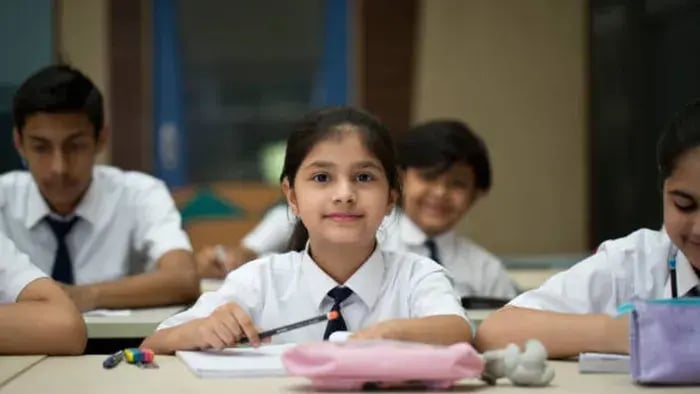
GK questions for children are more than quick facts to memorise. They can become entry points to science, history, nature, geography, and countless family conversations. Keep the questions light, encourage children to guess, and follow their curiosity. A simple question today can lead to a lifelong interest in learning.
Frequently Asked Questions
At What Age Should Kids Start Learning General Knowledge Facts?

Children can start learning simple general knowledge facts as soon as they become curious about the world around them. For younger kids, questions about animals, colours, nature, family, and everyday objects work well. As they grow, questions can gradually include science, history, geography, and current events.
How Can I Make General Knowledge Questions Fun Instead of Feeling Like Homework?
Keep the questions casual and interactive. Let children guess the answer, use questions during meals or car rides, and encourage them to ask their own questions. Turning the activity into a family game can also make learning feel relaxed rather than like another study task.
What Topics Are Best for Building a Child's Curiosity Early On?
Science, animals, space, nature, geography, the human body, and simple history are good starting points. Choose topics that match the child's interests and gradually introduce new ones. Questions connected to things children see or experience in everyday life can be especially engaging.
The views expressed are that of the expert alone.
Popular Topics