




 Parenting Guide


 Child Health & Growth


 Learning & Skills Development


 Food & Nutrition


 Bournvita





Introduction
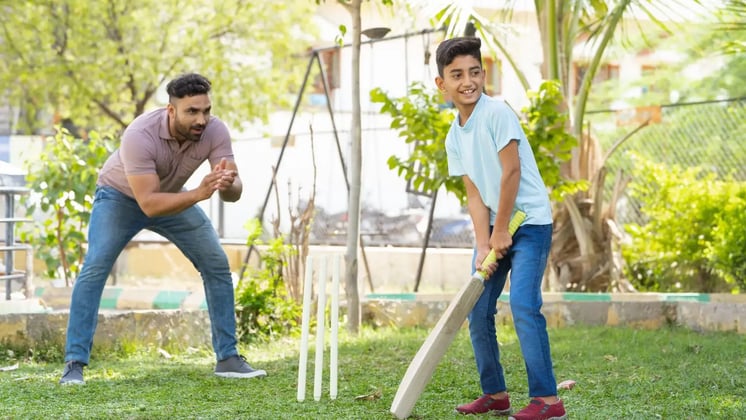
When youngsters are exposed to excessive electronic media, they tend to spend most of their time seated or lying down in front of a consumer device. As a result, children are engaging in fewer outdoor activities, such as running or playing sports.
To help children develop stronger muscles and bones, it is essential that they participate in physical activity. Improving one's heart rate is another benefit of this. It is necessary for children to participate in at least thirty minutes of physical activity on a daily basis, which should include activities that allow them to go outside and move around.
The risk of developing lifestyle-related disorders in the future is also decreased. Get to know the about the various types of activities that are beneficial to the children's health.
Daily Exercise's Positive Effects On Kids' Physical Health
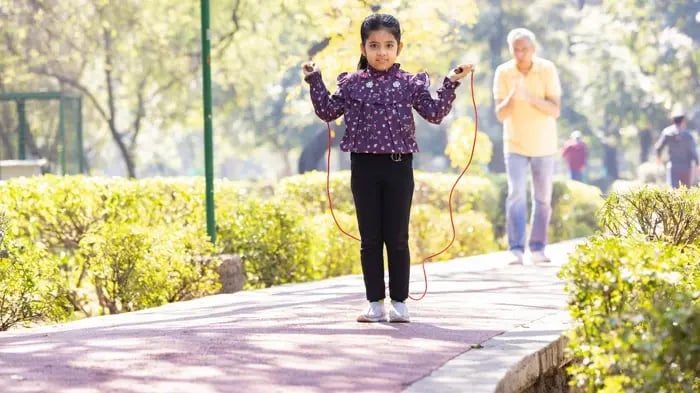
Children who exercise regularly have stronger bones and muscles, better cardiovascular health, and improved balance and coordination. Children who are active have a lower risk of obesity, high blood pressure, and other lifestyle-related diseases. Additionally, exercise helps youngsters develop endurance, strengthens the immune system, and increases metabolism.
A range of activities can be incorporated by parents to promote physical development. Excellent possibilities include riding, running, jumping rope, and climbing on playground equipment. In addition to improving physical fitness, team sports such as basketball, soccer, and swimming lessons promote social connection.
Simple pastimes like playing tag on the lawn or dancing to music can help meet daily exercise goals. Regular exercise helps kids improve their flexibility and posture. These enhancements reduce the risk of injury when playing sports or performing routine tasks.
Guide To Create A Daily Exercise Routine For kids

Pick A Time
When you make a daily exercise plan for kids, it's better to be consistent than to be intense. The body adapts to exercise more quickly when it occurs at the same time every day. It becomes a habit instead of something you have to do.
Am J Lifestyle Med.Research shows that children perform better when they have structured routines because they make things more predictable and easier for them to work together. Having a set time to work out can also help you sleep better, eat better, and have more energy. Parents should pick a time that works with school schedules and doesn't make them tired, like late afternoons or early evenings.
Combine Cardio, Strength, And Flexibility
You should never perform the same movement repeatedly in a balanced exercise routine. Aerobic exercises are good for your heart and lungs, strength-based exercises help your muscles and bones grow, and flexibility exercises help you move better and stand up straighter. The rules for physical activity say that kids get the most out of it when they do a variety of exercises instead of the same ones every day. Parents should not make things more complicated. Instead, they should focus on variety and ensure the movements are safe and appropriate for their child's age. A well-rounded structure helps with overall fitness and lets the body grow evenly over time.
Check To See If The Time Frame Is Realistic
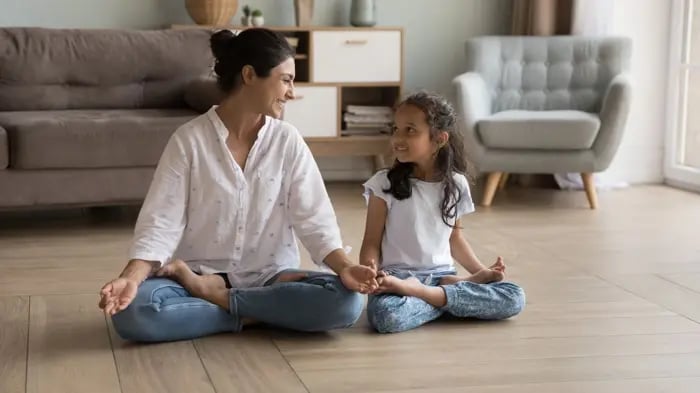
It doesn't matter how long your daily workout is; what matters is how long you can keep it up. Kids who have a lot of schoolwork and other things to do can get burned out from long or tiring sessions. Engaging in moderate-duration physical activity consistently is more beneficial for long-term health than participating in high-intensity workouts sporadically. Parents should set time limits that are reasonable and don't make their lives more stressful. Kids can stay focused and interested while still getting the right amount of exercise with short, structured sessions. You can slowly change the length of time as your stamina gets better. This lets you get in shape without any stress.
Make It Fun
If the kids like it, they will keep working out every day. Having good feelings while exercising makes kids much more likely to stick with it in the long run. Kids are more likely to keep exercising if they like it instead of feeling like they have to. Instead of enforcing strict rules, parents can help by letting their kids choose activities they like. Kids are also less resistant and more self-motivated when their routines are based on fun. This positive link builds confidence and encourages children to move independently over time. Exercise becomes a normal part of daily life instead of something that needs to be watched all the time.
Make Changes As Needed
Kids grow quickly, so their exercise routines need to change as their bodies and minds grow. Parents can spot signs of tiredness, boredom, or progress by reviewing things regularly. Flexible routines reduce the risk of injury and help keep children motivated over time. Changes could include making tasks more challenging, switching activities, or adjusting the duration based on your energy level and the school's needs. This flexible approach ensures that exercise remains beneficial without being excessive. Regular evaluations also encourage parental involvement, helping keep routines aligned with health goals. Instead of following the rules for a short time, a routine that evolves encourages toddlers to stay active for life.
Conclusion
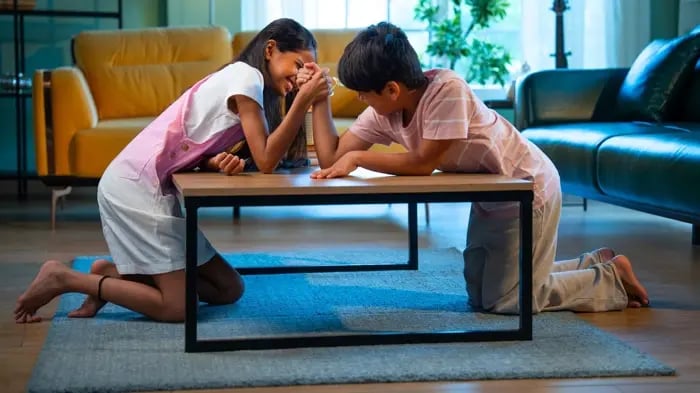
The World Health Organization recommended that children aged 5 to 17 obtain at least 60 minutes of physical activity per day. How can you make exercise enjoyable so that you are not greeted with resistance while attempting to help children build a good fitness routine? Fortunately, there are many options to consider. Many work with children of all ages, from toddlers to young adults.
Smriti is a content writer who creates clear, practical, and informative content backed by science and relevant data. With a strong understanding of structured writing, she breaks down complex topics into simple, actionable insights. Her work is focused on helping readers prepare, learn, and grow with confidence and clarity.
The views expressed are that of the expert alone.
Popular Topics