




 Parenting Guide


 Child Health & Growth


 Learning & Skills Development


 Food & Nutrition


 Bournvita






Introduction
Winter often slows daily activity, making it important to focus on how to motivate kids to exercise and stay active through 2026. Parents are helping kids find simple, enjoyable ways to keep their bodies moving even when days feel shorter and energy feels lower. Motivation works best when activity feels achievable and connected to daily life.
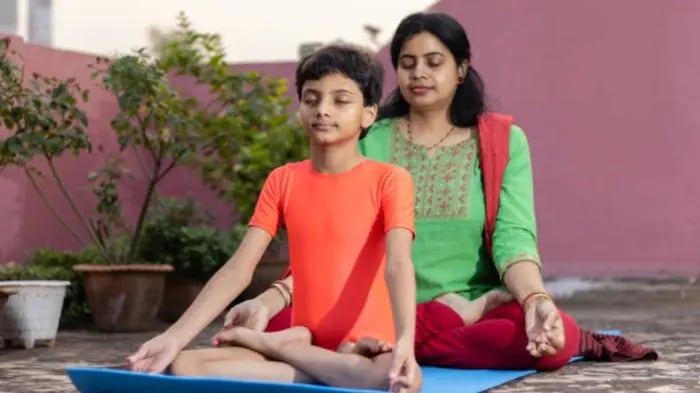
Kids respond well to encouragement that feels positive rather than forced. Indoor movement, short activity bursts, and flexible timing help reduce resistance. According to a study published in Front Physiol. 2021, regular exercise supports immunity by improving blood circulation, which helps immune cells move efficiently through the body. Staying active in winter also supports better sleep and mood, which often dip during colder months. Even light movement helps maintain joint flexibility and muscle strength when outdoor play is reduced.
Food and fitness work together during winter. Warm meals support digestion and energy levels, making movement feel easier. Carbohydrates provide fuel for activity, protein supports muscle repair, and fluids support circulation even in cold weather. Vitamin C supports immunity and helps the body absorb iron better, which supports stamina and focus. Balanced meals make kids feel more willing to move.
Motivation grows through routine and comfort. Fixed activity times, family involvement, and choice-based movement build confidence. Allowing kids to choose how they move increases consistency. Winter fitness does not need long sessions. Short, regular activity keeps momentum alive.
Helping kids stay fit in winter is about guidance, flexibility, and encouragement. Simple routines introduced now help movement feel normal, supporting healthier habits that continue well beyond the winter season and into 2026.
7 Easy Ways Parents Can Keep Kids Moving and Motivated During Winter

Understanding how to motivate kids to exercise in winter becomes easier when motivation focuses on comfort, routine, and choice rather than performance. Cold weather, shorter days, and packed school schedules often reduce natural movement, especially for teens. Winter activity supports immunity by improving circulation, which helps immune cells travel faster through the body. Regular movement also supports better sleep and mood, both of which affect immunity and focus.
These 7 motivation-based ideas focus on habits and mindset, helping parents guide kids toward staying active through winter without pressure.
Make Movement Part of the Daily Routine
Daily routines help kids accept movement as normal rather than optional. Fixed activity times reduce decision fatigue and skipping. According to the National Institute of Health & Family Welfare, predictable movement supports metabolism and immune health by keeping circulation active. Regular routines also help regulate sleep and appetite. Short, scheduled activity feels manageable even on cold days. This approach builds consistency, which matters more than intensity. Over time, movement becomes automatic and less dependent on motivation.
Let Kids Choose How They Move
Allowing children to choose activities increases participation. Choice reduces resistance and builds confidence. As per a study published in Int J Yoga. 2008, when kids enjoy movement, stress reduces, which supports immune balance. Enjoyable activity encourages longer participation without fatigue. This approach supports emotional well-being and consistency. Variety also works different muscle groups. Choice-based movement keeps fitness flexible and sustainable through winter.
Keep Sessions Short and Achievable
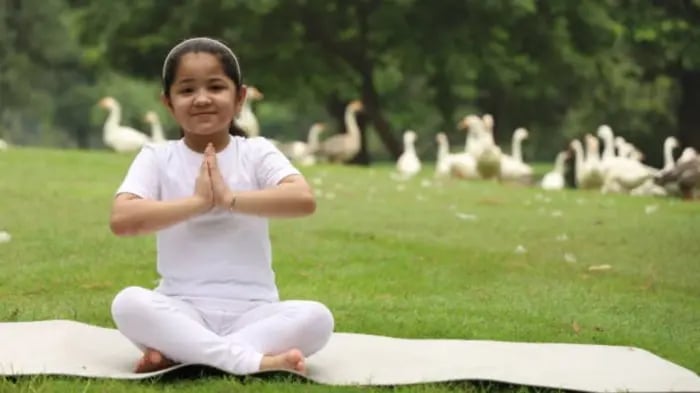
Short activity sessions feel less overwhelming during winter. Ten to twenty minutes supports circulation, flexibility, and mood. Research published in Clin Exp Med. 2020 shows that short bursts improve blood flow, helping immune cells move efficiently. Achievable sessions prevent burnout and fatigue. This approach fits busy school days and low-energy evenings. Consistency builds endurance gradually. Small daily wins encourage long-term participation.
Pair Activity With Warm-Up and Comfort
Cold muscles resist movement. According to the research published in J Exerc Rehabil. 2018, a proper warm-up improves flexibility and reduces injury risk. Warm clothing and indoor-friendly activities make movement more appealing. Warm muscles move better and recover faster. Comfort reduces excuses linked to cold weather. This approach helps kids feel physically prepared and confident. Comfortable routines increase participation during winter months.
Turn Family Time Into Active Time
Shared activity improves motivation through connection. Family movement builds accountability and emotional safety. Research highlights that social activity improves mood, which supports immune function. This habit builds consistency without competition. Family involvement also normalises activity as a lifestyle choice. Shared routines strengthen long-term habits.
Focus on Energy and Mood Benefits
Helping kids notice how movement improves mood and energy builds internal motivation. Physical activity supports endorphin release, improving emotional balance. Research conducted by Indian J Psychiatry. 2013 states that a better mood supports immune resilience. Recognising benefits builds awareness and self-motivation. Kids learn to connect movement with feeling good, not obligation. This habit strengthens long-term commitment.
Balance Activity With Proper Rest
Adequate rest supports muscle recovery and immune strength. Overexertion reduces motivation and increases fatigue. Balanced routines prevent burnout. According to research published in Ann Neurosci. 2024, sleep supports hormone balance, which affects energy and immunity. Light movement on rest days supports circulation without strain. Teaching rest as part of fitness builds healthy attitudes toward activity. Balanced routines sustain motivation.
Conclusion
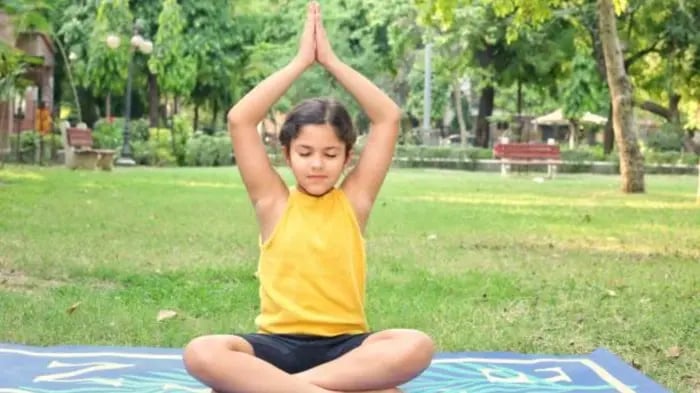
Learning how to motivate kids to exercise in winter depends on routine, comfort, and encouragement rather than pressure. Small, supportive habits help kids stay active, confident, and healthy through winter and well into 2026.
Her love for storytelling began with reading her grandfather’s speeches, where Tarishi saw the power of words in creating lasting memories. Combining her passions for food and writing, she has turned her life into a fulfilling path of sharing stories that celebrate flavours and how food brings communities together.
The views expressed are that of the expert alone.
Popular Topics