



 Parenting Guide


 Child Health & Growth


 Learning & Skills Development


 Food & Nutrition


 Bournvita






Introduction
Every parent wants their child to stay healthy, active, and ready to learn. While it's normal for children to catch occasional colds as their immune systems develop, a nutritious diet can help support their body's natural defences. Along with good sleep, regular physical activity, handwashing, and healthy daily habits, including the right immunity boosting foods for kids can make a real difference.
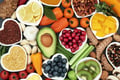
Key nutrients such as vitamins A, C, D, zinc, protein, healthy fats, and probiotics help the immune system function effectively. The good news is that many everyday foods naturally provide these nutrients. Here are 12 immunity boosting foods for kids that are easy to include in family meals and snacks.
How Food Supports a Child's Immune System
The immune system is the body's natural defence against germs such as bacteria and viruses. During childhood, the immune system is still developing, which is why children may fall ill more often than adults.
A balanced diet provides the nutrients the immune system needs to function properly. Vitamins, minerals, protein, healthy fats, and beneficial bacteria all work together to support healthy immune responses, growth, and recovery. While no single food can prevent illness, regularly eating a variety of nutrient-rich foods helps build a stronger foundation for long-term health.
Immunity Boosting Foods for Kids
Nuts and Seeds
Nuts and seeds are rich in vitamin E, healthy fats, and important minerals that support the body's natural defence system. They're also excellent for brain development and make nutritious snacks.
Serve almonds, walnuts, sunflower seeds, pumpkin seeds, or mixed seed powders as snacks, sprinkle them over porridge or yoghurt, or add them to homemade laddoos and smoothies.
Leafy Greens
Leafy vegetables such as spinach, kale, and methi provide vitamin A, which supports healthy immune function and helps protect the body from infections.
Mix finely chopped spinach into daal, parathas, pulao, soups, or pasta sauces. Fresh spinach can also be added to salads or smoothies with a tasty dressing to make it more appealing for children.
Berries
Berries are an easy way to naturally boost your child’s immunity as they contain antioxidants, which help the immune system fight against oxidative stress. They are also an incredibly versatile fruit, and can be used in many different ways. Our favourite ways to use berries are: blended in a smoothie with some milk and banana, on top of some oats for breakfast, or packed in a lunch tiffin for a sweet snack during school.
Mushrooms
Mushrooms contain a special kind of nutrient called beta-glucans which have been shown to boost the immune system in some clinical studies. There are many different types of mushrooms available in grocery stores, and all taste great, but some mushrooms are ‘adaptogenic’, which means they boost the immune system and potentially reduce the effects of stress from the body. Some of these mushrooms include reishi and lion’s mane. We enjoy mushrooms as toppings on pizza, in pasta sauce, or mixed with peas in a simple tomato curry.
Oranges and Other Citrus Fruits
Oranges are an excellent source of vitamin C, which supports immune function and helps the body repair tissues. Other good vitamin C-rich fruits and vegetables include lemons, limes, kiwi, strawberries, broccoli, cherries, Brussels sprouts, and coloured peppers. Whole fruits are the best choice because they provide fibre along with vitamin C. Freshly squeezed homemade juice can be enjoyed occasionally, but eating the whole fruit offers greater nutritional benefits.
Sweet Potatoes
Sweet potatoes are packed with beta-carotene, which the body converts into vitamin A. They also provide vitamin C, making them a valuable addition to an immunity-supporting diet. Serve them as baked wedges, lightly spiced masala fry, tomato-based curry, mashed sweet potato, or roasted cubes for an easy family meal.
Red Capsicum
Red capsicum is one of the richest sources of vitamin C, providing even more than many citrus fruits. It also contains antioxidants that support overall health. Add sliced capsicum to salads, sandwiches, wraps, pizzas, pasta, stir-fries, or serve with hummus as a colourful snack. It can also be blended into soups and sauces.
Garlic and Ginger
Garlic and ginger are everyday staples in Indian cooking. Garlic contains natural compounds that support immune function, while ginger has anti-inflammatory properties and may help provide comfort during illness. Since both ingredients form the base of many Indian curries, dals, soups, and vegetable dishes, children often enjoy their benefits without needing any special recipes.
Curd / Yogurt
Curd and yogurt contain probiotics, beneficial bacteria that support gut health. Since a large part of the immune system is closely linked to the gut, maintaining a healthy balance of gut bacteria is important for overall immunity. Serve plain dahi with meals, prepare raita with vegetables, offer buttermilk during warmer months, or make homemade fruit yogurt and lassi without excess added sugar.
Turmeric (Haldi)
Turmeric contains curcumin, a natural compound known for its anti-inflammatory and antioxidant properties. As an everyday Indian kitchen ingredient, it can easily become part of a balanced diet. Add turmeric to dals, curries, vegetable dishes, soups, or occasionally serve warm haldi milk as part of a bedtime routine when appropriate.
Amla (Indian Gooseberry)
Amla is one of the richest natural sources of vitamin C, making it an excellent fruit to include in children's diets. Offer fresh amla when in season, homemade juice, chutney, murabba in moderation, or small amounts of dried amla candy as an occasional snack.
Eggs
Eggs provide high-quality protein, along with vitamin D, zinc, and several B vitamins that help support growth and immune function. Serve boiled eggs, omelettes, scrambled eggs, or egg sandwiches. For vegetarian families, good protein alternatives include paneer, tofu, beans, lentils, and chickpeas.
How to Get Picky Eaters to Eat Immunity Foods
Helping picky eaters enjoy nutritious foods takes patience rather than pressure. Blend fruits into smoothies, mix leafy greens into familiar dishes like daal, parathas, or pasta sauces, and present colourful fruits and vegetables in fun shapes or lunchboxes. Involve children in grocery shopping, washing vegetables, or simple cooking tasks so they feel excited about trying new foods. Pair unfamiliar foods with favourites and introduce new ingredients gradually without forcing them to eat.
What About Supplements?
For most healthy children, a balanced diet provides the nutrients needed to support normal immune function. However, some nutrients—particularly vitamin D—can be difficult to obtain through food alone. If your paediatrician identifies a deficiency or feels supplementation is necessary, they may recommend an appropriate supplement based on your child's age and health needs.
Avoid giving immunity supplements routinely without medical advice. A food-first approach, supported by professional guidance when needed, remains the best strategy.
Protein, Fats, and Carbs: What Matters Most for Immunity
All three macronutrients play important roles in supporting children's health and immune function. Protein helps build and repair body tissues and supports recovery during illness. Good protein sources include eggs, dairy products, beans, lentils, chickpeas, paneer, tofu, fish, and lean meats.
Healthy fats, particularly those found in nuts and seeds, provide vitamin E and support normal immune function, while carbohydrates supply the energy children need for learning, playing, and staying active. A balanced plate that includes all three nutrients is the best approach.
Beyond Food: Other Ways to Boost Kids' Immunity
Nutrition is only one part of a healthy immune system. Children also benefit from getting enough sleep each night, enjoying regular physical activity, spending time outdoors, practising good hand hygiene, staying hydrated, and learning healthy ways to manage stress. Building these everyday habits alongside a balanced diet gives children the best foundation for long-term health.
Conclusion: A Balanced Plate Builds Strong Immunity
There is no single food that can guarantee your child won't become ill, but a balanced diet rich in protein, colourful fruits and vegetables, healthy fats, whole grains, and probiotic foods helps support a strong immune system. Combined with healthy daily habits and an active lifestyle, these nutritious choices help children grow, recover well, and stay ready for everyday adventures.
Frequently Asked Questions
What foods boost immunity in kids?

Foods that support immunity include leafy greens, citrus fruits, sweet potatoes, nuts, seeds, eggs, yogurt, turmeric, amla, garlic, ginger, fatty fish, and other nutrient-rich whole foods eaten as part of a balanced diet.
What can I feed a picky eater to boost immunity?
Blend fruits into smoothies, mix vegetables into familiar dishes like daal or pasta, serve colourful snack plates, and involve children in cooking. Introduce new foods gradually without forcing them to eat.
Can certain foods stop my child getting sick?
No single food can prevent illness. However, a balanced diet rich in vitamins, minerals, protein, healthy fats, and probiotics helps support normal immune function and overall health.
Do children need immunity supplements?
Most healthy children get the nutrients they need from a varied diet. Supplements should only be given if recommended by a paediatrician, especially for nutrients such as vitamin D when deficiency is identified.
When should I see a doctor about my child's immunity?
Consult your paediatrician if your child has frequent or severe infections, poor growth, prolonged illness, unexplained fatigue, or if you are concerned about nutritional deficiencies or their overall immune health.
Her love for storytelling began with reading her grandfather’s speeches, where Tarishi saw the power of words in creating lasting memories. Combining her passions for food and writing, she has turned her life into a fulfilling path of sharing stories that celebrate flavours and how food brings communities together.
The views expressed are that of the expert alone.
Popular Topics