




 Parenting Guide


 Child Health & Growth


 Learning & Skills Development


 Food & Nutrition


 Bournvita




Introduction
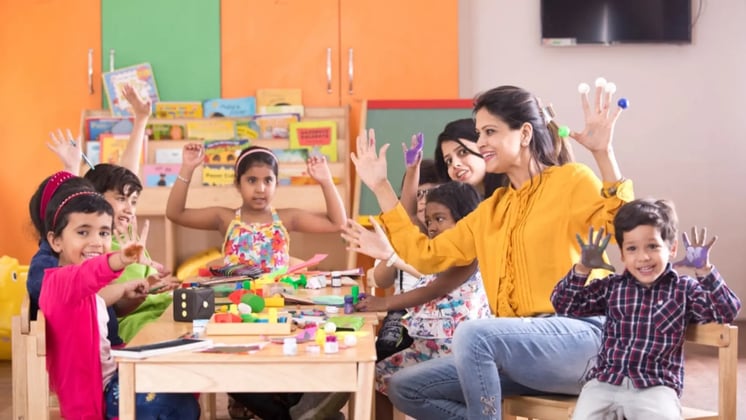
There is nothing quite as exhilarating and magical as watching a small human being born before gradually assembling a personality, a skillset, and a complete understanding of the world. The first five years of a child’s life are a dazzling display of development. Because during this period, their brain forms millions of connections every single second. If the adult brain has 2 crores brain cells, this number will be reached by the age of 5 years. The size of the cells and their connections will increase as your kids age, but not the number. No new neurons or nerve cells are formed after the age of 5, as explained lucidly by the Indian Academy of Pediatrics (IAP).
As parents, caregivers, and educators, you do not need to be neurobiologists to participate in this period of development. You simply need a road map and the right tools. The developmental milestones are not just boxes to check. According to this NIOS (National Institute of Open Schooling) module on Early Childhood Care and Innovation, development actually refers to qualitative changes in the body as well as changes in behavior or attitude. They give physical cues to parents that their infant’s internal wiring is progressing exactly as it should. Understanding these stages allows parents to move past passive observation and become active, intentional participants in their growth.
Why Are Milestones Essential To Track?
Adults can better grasp how a child's body and mind are developing along predictable pathways by keeping track of early childhood development milestones. These checkpoints provide insight into whether a youngster is developing problem-solving, motor coordination, emotional awareness, or communication skills at an age-appropriate rate. Additionally, they assist parents in creating an environment that is appropriate for the child's readiness, including toys, routines, and interactions. Thoughtful responses across different phases of child development are ensured by a consistent record of change.
What are Physical Milestones?
The bodily skills that develop as a kid gains strength, balance, and coordination are referred to as physical milestones. Grasping items, moving on one's own, using hands precisely, and progressively transitioning from reflexive to deliberate movements are some of these abilities. This area of development shows how well the nervous system, muscles, and bones are developing. Every level shows preparedness for increasingly difficult tasks like climbing, sketching, or using tools. By keeping an eye out for these indicators, parents can gain important knowledge about toddler development and establish secure environments where kids can practise new skills with assurance.
What are Cognitive Milestones?
The steady development of reasoning, thinking, and problem-solving skills is referred to as cognitive milestones. These alterations demonstrate how kids comprehend patterns, identify known individuals, adhere to routines, and react to basic instructions. As infants experiment, mimic behaviours, and comprehend cause-and-effect links, their curiosity grows with time. Observing these changes raises understanding of how kids absorb information from experiences, which promotes developmentally appropriate activities that improve memory and attention span. Monitoring this development promotes a learning environment that welcomes inquiry, exploration, and discovery while assisting adults in responding to age-appropriate developmental milestones.
What are Emotional & Social Milestones?
Social and emotional milestones show how kids relate to others, communicate their emotions, and comprehend how others behave. These skills start with identifying familiar faces and progressively progress to sharing, collaborating, demonstrating empathy, and controlling fundamental emotions. These changes influence how kids respond to comfort, form trust, and engage in social situations. Parents can see how successfully their children adjust to new circumstances or communicate their needs during trying times by keeping an eye out for these indicators. By enhancing communication, routine-building, and good interaction patterns that direct healthy relationships later in life, an understanding of these behaviours improves early childhood development milestones.
Key Developmental Milestones In Early Childhood

The First Year (0 to 1 year)
The first twelve months are about establishing foundational physical and emotional security. The baby moves from a reflexive state to an intentional explorer. During the first 4 months, all your baby should be doing is lifting their head, smiling, trying to sit when helped up, cooing, gurgling, trying to get into a prone position on their own, and recognising their immediate caregiver, aka, mother.
After 6 months, babies can sit with support. They enjoy looking into the mirror, babbling, and developing fine motor skills. By the time infants turn 9 months, they can steadily sit on their own, stand with support, wave goodbye, play peek a boo, respond to their name being called, and crawl towards favorite toys. This is also the time of listening hard for the cherished ‘mama’ and ‘papa’.
By the time babies turn a year old, they can stand without support, maybe walk alone for a bit before falling, can play simple ball games, string 2 words together, point at objects, and follow simple commands.
The Toddling Years (1 to 3 years)
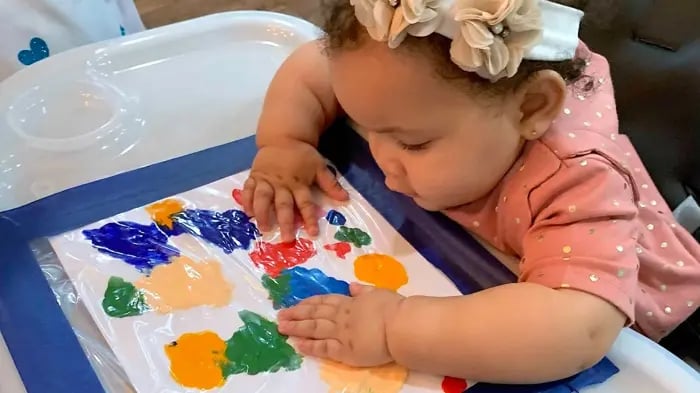
The toddler is like a scientist in a tiny body, driven by two main forces- curiosity and the fierce desire to do things on their own. The shift from single words to short sentences is rapid. The emotional world of toddlers also becomes complex, almost overnight. By the time babies turn 15 months old, they can now walk alone, crawl upstairs, imitate having a short conversation over the phone, bring over and show favorite toys to persons of interest, and even build mini towers a couple of cubes high.
At the age of 18 months, your infant can now run and explore, mimic domestic activities, use 8 to 10 words at a stretch, recognize parts of the body, name and identify common objects, throw a ball without falling, and even build architecture at least 4 cubes high. You will be even more mesmerised by your babies as they turn 2.
Now, they are able to rudimentarily walk up and down stairs, pull favorite people to show them special toys, build towers 6 blocks or higher, and smartly follow 2-step commands. As they reach the full potential of their toddling years and arrive at 3 years of age, even further progress takes place. Your child can ride tricycles, climb stairs properly, use longer sentences, build 8-block towers or mini bridges, identify a few shapes and colors, is able to follow 3-step commands, and know their name and gender.
The Pre-School Era (3 to 5 years)
By preschool, your child is transitioning from a self-focused individual to a social being. Their world is vaster now, their imagination boundless, and their need for structured learning begins to surface. As a pre-schooler, your 4-year-old child will be able to hop on one foot with proper balance and play, be able to narrate simple poems from memory or narrate their ABCs, go to the toilet on their own, draw recognizable shapes and figures, understand simple math principles, and start grasping the structure of language. By the time they turn 5, they can play with a skipping rope, dress themselves, inquire about the meanings of words, read on their own, and more. It is fascinating to watch children grow and learn about the world so well in such a short time.
How Parents Can Support Each Stage
- Give kids activities that are right for their age and level of ability, and encourage them to practise without putting too much pressure on them.
- Make routines that kids can count on to help them feel safe as they learn new behaviours.
- Offer simple choices to strengthen independence while maintaining safe boundaries during toddler growth.
- To help kids learn to speak and express themselves, use responsive communication, like naming their feelings or actions.
- Watch progress calmly and change the environment so that each child can explore freely. This will help them build skills through everyday interactions.
When To Seek Professional Guidance
- Reach out to a specialist if a child consistently misses several abilities expected within a specific period of child development stages.
- If the communication skills stop getting better or if you notice that your kids responses to familiar voices, gestures, or routines are getting worse, get help.
- If the motor coordination slows down, like if they have trouble sitting, standing, or keeping their balance compared to how kids usually do, talk to a professional.
- When emotional reactions seem too strong, too withdrawn, or last too long, ask for help.
- Trust your gut as a parent and ask for an evaluation whenever long-term patterns worry you. This will make sure that early support helps progress at all ages.
Milestone Summary To Catch Up On
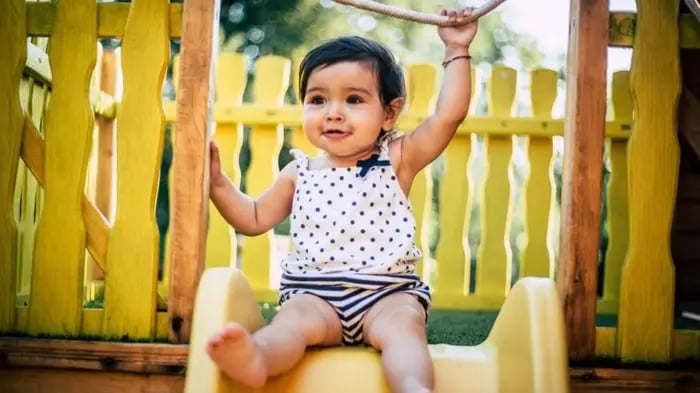
It is easy to get caught up in comparison and competition, be it measuring your child’s progress to the next kid or against the mythical, perfect child that does not exist. But a child’s development is a winding path, not a straight race track. Some may sprint ahead in language only to pause for months on motor skills. Ultimately, that is not a deficit; it is just their individual pace of development. Ultimately, milestones are useful markers for adults only. For children, it is just a new experience.
People Also Ask
What are early childhood milestones?

Milestones in early childhood are skills that show how a child is getting better at moving, talking, thinking, and getting along with others. These markers show how the body and brain grow and change over time. By keeping track of them, adults can better understand how they are doing and offer help that is appropriate for each stage of development.
What delays should parents look for?
Parents should look for signs of delays, such as not making eye contact, not babbling as much, not getting better at moving around, having trouble following simple directions, or having very strong emotional reactions. If there are ongoing problems with communication, movement, or social interaction that are not normal, it may be time to get an early evaluation and professional help.
Kaushiki Gangully is a content writing specialist with a passion for children's nutrition, education, and well-being. With more than five years of writing experience and a science-based background, she provides nuanced insights to help families raise happy, healthy kids. Kaushiki believes in making learning and healthy eating fun, empowering parents with practical, easy advice.
The views expressed are that of the expert alone.
Popular Topics