




 Parenting Guide


 Child Health & Growth


 Learning & Skills Development


 Food & Nutrition


 Bournvita




Introduction
The abacus for kids is a simple counting device made with beads that slide along rods. Though it looks basic, it helps children understand numbers in a visual and interactive way. When preschoolers move beads while counting, they begin connecting numbers with quantities. This physical interaction strengthens memory and concentration. Regular practice with abacus activities for preschoolers encourages children to develop a positive relationship with numbers instead of feeling confused or overwhelmed. Introducing abacus activities for preschoolers in a playful and relaxed way helps children develop curiosity and confidence with numbers.
How Abacus Improves Math Skills
The primary way that an abacus helps with early math is by associating observable quantities with numerical phrases. When a youngster slides five beads and says "five," they are connecting sound, touch, and quantity. All trustworthy early counting is based on this connection, which is known as one-to-one correspondence. Children can also learn to recognize patterns within numbers by using beads arranged in groups of five and ten.
Children can understand, for instance, that seven is five beads plus two extra. Additionally, little fingers can practice grasping and controlled movement by gently moving beads. These abilities take time to develop, and each child's outcomes are very different. Comfort with basic amounts, number recognition, and competent counting are reasonable objectives. While counting aloud, parents can observe if the child taps each bead once. Frequently, that tiny observation indicates much more about comprehension than speed could.
What Is an Abacus and How Do the Beads Work?
Counting frame
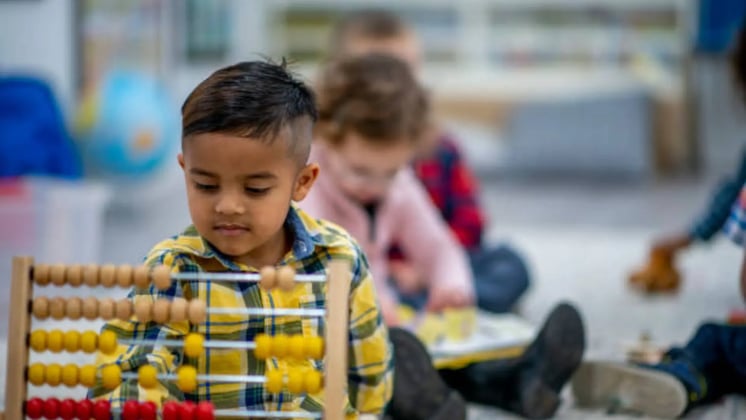
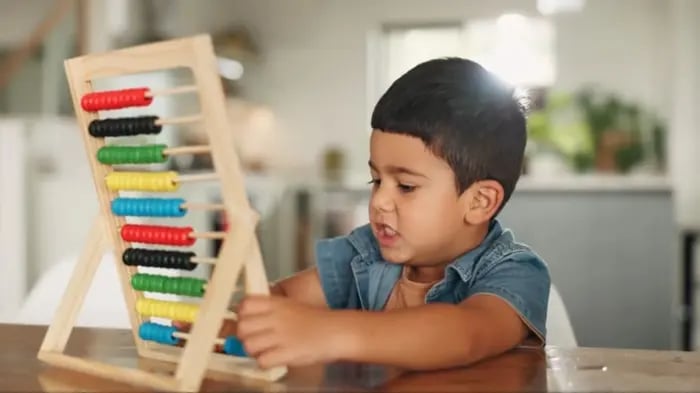
Horizontal rods with 10 beads apiece, frequently in two colors, make up a counting frame. Each bead counts as one and slides from one side to the other. Children can quickly recognize fives and tens thanks to color changes that occur after five beads. Preschoolers typically benefit most from this style since it directly teaches quantity and counting.
Place-value abacus
The vertical rods on a place-value abacus are labelled with the numbers one, ten, hundreds, and occasionally thousands. Nine beads are typically held in each rod, with ten beads moving into the subsequent rod. Thirty-four is represented by three beads on the tens rod and four on the ones rod. This approach works well for kids who can count with confidence since it teaches place value.
Soroban
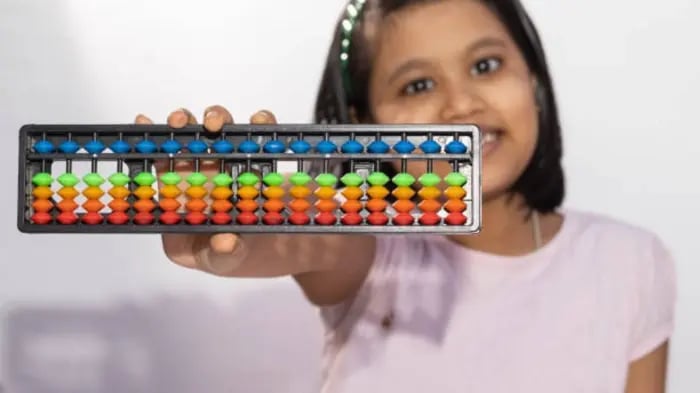
A Japanese abacus with four lower beads and one top bead is called a soroban. Each lower bead is valued one, and each upper bead is worth five. Beads must be taught carefully since they only count when they are pushed towards the middle bar. Older kids benefit from structured soroban training since they typically feel safe after learning addition and counting.
Abacus in the mind
The term "mental abacus" refers to moving the beads solely in the mind. It takes months of hands-on bead work to develop this sophisticated technique. It is unnecessary for preschoolers, and hurrying towards it can soon lead to frustration. For young learners at all levels, hands-on, physical play continues to be a solid foundation.
Adhere to a single format
When a single abacus format is used regularly for a few weeks, children learn best. A soroban values beads differently from a counting frame, which counts each bead as one. A single bead's meaning may become unclear if you switch between them too soon. Parents can begin with a counting frame and only alter formats when necessary.
5 abacus activities for preschoolers to Improve Math Skills
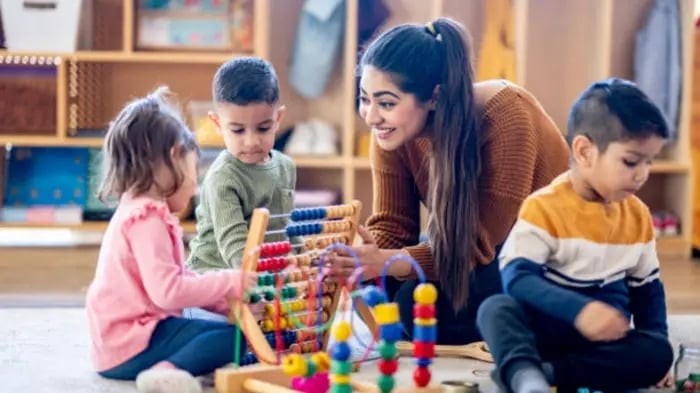
Learning becomes more enjoyable when math activities are playful and interactive. The following abacus activities for preschoolers help strengthen number skills while keeping children engaged.
Counting Beads Activity
Encourage children to slide one bead at a time while counting aloud. This activity helps preschoolers connect spoken numbers with visible quantities. It strengthens number recognition and counting accuracy. Start with small numbers and gradually increase the count. Consistent practice through abacus activities for preschoolers builds confidence and familiarity with numbers.
Number Matching Game
Write numbers on small cards and ask children to move the same number of beads on the abacus. This activity strengthens number recognition and understanding of quantity. It also improves visual memory and attention to detail.
Simple Addition Practice
Use the abacus to demonstrate small addition problems. For example, move two beads, then add three more beads. Children can count the total beads to find the answer. This activity introduces basic arithmetic in a clear and visual way.
Color Sorting and Counting
If the abacus beads are colored, encourage children to count beads of each color separately. This activity combines color recognition with counting practice. It improves observation skills and reinforces number understanding.
Pattern Creation Activity
Ask children to create patterns with beads, such as two red beads followed by two blue beads. Pattern creation improves logical thinking and sequencing skills. Activities like this strengthen problem-solving abilities while keeping learning enjoyable.
Choosing a Safe Abacus for Kids
Parents are guided by age designations, such as three and up, regarding small-part dangers and choking. Youngsters under three require considerably larger, simpler counting toys because they still mouth objects. Toddlers are at risk of choking on any bead that fits through a toilet paper tube. Before purchasing any abacus, parents can verify the age range on the packaging.
Clear information regarding non-toxic, kid-safe paints or finishes should be included with painted beads. Reputable vendors list the product's materials and compliance with toy safety regulations. Peeling paint or overpowering chemical odors are warning indicators because kids frequently mouth toys. For most young children, sturdy plastic or smooth, sanded wood works nicely.
Small hands push beads across rods while a broad, robust frame remains erect. Smooth edges and rounded corners guard against splinters, scratches, and pinched fingers when playing. Preschoolers shouldn't use frames with sharp joints or those that tip quickly. Independent and carefree play periods are promoted by a size that suits little hands pleasantly.
Progression Guide
Step 1: Investigate
Children slide beads and observe what happens during the initial stage of spontaneous exploration. Using terms like slide, many, few, and more, parents only see and describe. Play can just take a few minutes, and counting targets are not yet required. At this point, curiosity creates the comfort that underpins all subsequent learning.
Step 2: Count from one to one
The next step is to touch each bead precisely once while counting them one at a time. Before any additions are made, this one-to-one communication must feel safe and natural. As confidence increases, counting to ten occurs after counting to five. Errors are common, and the child doesn't feel pressured to start over.
Step 3: Align quantities and numbers
The amounts they have already learned to count are then connected to written numerals by the kids. Spoken numbers, rod labels, and number cards all indicate the same amount. Bigger numbers are gradually introduced, going only a little bit beyond what is manageable. Instead of making this stage feel like drilling, games and stories keep it entertaining.
Step 4: Put groupings together
Simple addition doesn't make sense until counting and matching feel safe. Kids count the sum after sliding two little groupings of beads. The numbers are given context and real-world meaning through stories about snacks, toys, or animals. Until the youngster responds confidently and without much guesswork, totals remain within 10.
Stage 5: Upcoming formats
Later, usually throughout school years, are place-value abacuses, soroban techniques, and mental abacuses. Memorized bead movements alone can take the place of true comprehension when one rushes towards the mental abacus. Youngsters who are prepared exhibit consistent counting, simple addition, and a fascination with larger numbers. If selected, formal education can then be built upon a safe and cozy base.
Conclusion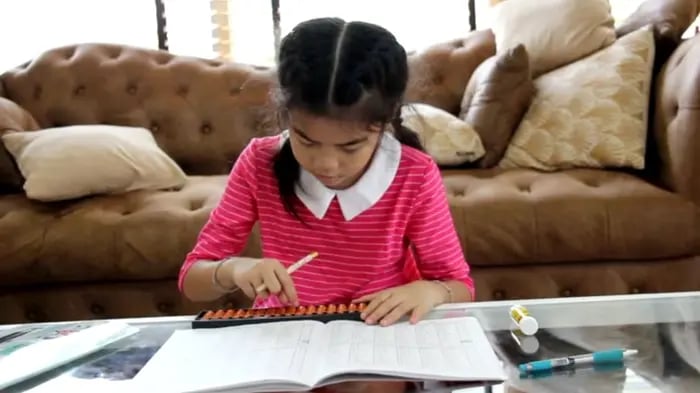
Introducing abacus activities for preschoolers supports early math learning through visual and hands-on experiences. These activities strengthen number recognition, focus, and logical thinking. With regular practice and playful learning, children develop confidence with numbers and build a strong foundation for future mathematical understanding.
Frequently Asked Questions
At what age can a child start using an abacus?

Around age three, children can begin investigating a basic counting frame under the careful supervision of an adult. School-age children typically respond better to structured approaches if addition and counting feel safe and natural.
What are the benefits of abacus math activities for kids?
Early counting and number awareness are supported by the visibility and touchability of numbers provided by an abacus. Although the benefits differ from child to child, it also provides young hands with practice with controlled movement.
Which activities on an abacus for kids suit preschoolers best?
Most preschoolers respond well to Match My Move, Say and Slide Counting, and Number Card Match. The Treasure Hunt is appropriate for kids who can count with confidence if two rows are added.
What is the difference between a soroban and a counting frame?
A counting frame is ideal for young novices because it counts each bead as one. A soroban requires structured instruction since it assigns distinct values to upper and lower beads.
Smriti is a content writer who creates clear, practical, and informative content backed by science and relevant data. With a strong understanding of structured writing, she breaks down complex topics into simple, actionable insights. Her work is focused on helping readers prepare, learn, and grow with confidence and clarity.
The views expressed are that of the expert alone.