




 Parenting Guide


 Child Health & Growth


 Learning & Skills Development


 Food & Nutrition


 Bournvita





Introduction
Stories have always played a powerful role in shaping children’s values and behavior. A meaningful story on kindness can gently guide young minds to understand empathy, respect, and compassion in everyday situations. When your kids listen to kindness stories for students, they begin to see how small caring actions can make a big difference in friendships, classrooms, and family life. These simple narratives often stay in memory longer than instructions, helping children develop emotional awareness and thoughtful decision-making skills.
Teaching kindness through storytelling also supports positive classroom behavior and stronger peer relationships. When your kids hear a short story on kindness with moral lessons, they learn how patience, sharing, and helpfulness create a supportive environment for everyone. Educational experts often link such stories with Social-Emotional Learning (SEL), a framework that encourages self-control, cooperation, and responsible actions. Through relatable examples, kindness moral story themes can inspire children to handle conflicts calmly and express feelings respectfully.
This collection of kindness stories for students includes classic fables, real-life inspired situations, and reflective discussion ideas that help reinforce morals for kindness in practical ways. These stories are designed to encourage thoughtful conversations at school and at home. By exploring each story of kindness, your kids can gradually understand the value of caring gestures and build habits that contribute to confidence, emotional strength, and positive social growth.
Why Teaching Kindness Through Stories Works?
Stories help kids understand emotions and values better. When they read about kindness or people choosing to be kind, they understand how it is important to be polite to others. Here are various reasons how kids learn kindness through stories.
Stories Help Children Understand Emotions Clearly
Psychologists suggest that moral stories allow your kids to observe different feelings and reactions in a safe way. When characters face challenges or show compassion, children begin to understand how emotions influence behavior. This helps them respond with empathy and patience in real-life situations.
Fables Help Externalise Moral Conflicts
Experts in child psychology explain that storytelling helps children separate right and wrong through observation rather than direct correction. By watching characters make mistakes and learn lessons, your kids can reflect on their own actions without feeling criticised or pressured.
Stories Turn Abstract Values into Real Experiences
Concepts like kindness, respect, and forgiveness may feel difficult to explain through instructions alone. Through simple story situations, your kids can visualize how these values work in daily life. This makes moral learning more relatable and easier to practice.
Narrative Learning Improves Memory and behavior
Children usually remember stories more than rules or advice. Emotional connections with characters strengthen recall and encourage positive behavior patterns. Kindness stories help reinforce good habits in classrooms, friendships, and family interactions.
Story Discussions Encourage Thoughtful Communication
Talking about a story’s message allows your kids to express opinions and understand different perspectives. This strengthens listening skills, social awareness, and respectful communication. Over time, such discussions build confidence in handling real social situations with kindness.
Short Moral Stories & Fables (The Classics)
Short moral stories and classic fables help students understand kindness through simple and relatable situations. These stories use characters, actions, and consequences to explain values in an easy way. When students listen to or read such narratives, they begin to recognize how thoughtful behavior can improve relationships and daily experiences.
The Lion and the Mouse
A mighty lion once caught a tiny mouse and was about to eat it. The mouse pleaded for mercy and promised to help someday. The lion laughed but let it go. Later, the lion got trapped in a hunter’s net. Hearing the roar, the mouse quickly gnawed the ropes and set the lion free. This simple act showed that even the smallest creature can make a big difference.
Moral: Kindness is never wasted, and everyone has value.
Discussion Question: Why did the lion decide to spare the mouse at first?
Age Recommendation: Best for ages 5–8
The Ant and the Dove
An ant fell into a river and struggled to stay afloat. A kind dove noticed the ant and dropped a leaf into the water. The ant climbed onto it and was saved. Later, the ant saw a hunter aiming at the dove and bit his foot. The sudden movement helped the dove fly away safely. Their mutual kindness created a strong bond.
Moral: Helping others brings unexpected rewards.
Discussion Question: How did both characters show kindness in different ways?
Age Recommendation: Best for ages 6–9
Friends Forever
Two friends were walking through a forest when they encountered danger. One quickly climbed a tree, leaving the other behind. The second friend lay still, pretending to be lifeless. After the danger passed, the first friend asked what had happened. The other replied that true friendship means standing together in tough times. This experience helped both reflect on loyalty and support.
Moral: True friends stay together during challenges.
Discussion Question: What could the first friend have done differently?
Age Recommendation: Best for ages 7–10
The Milk-Maid
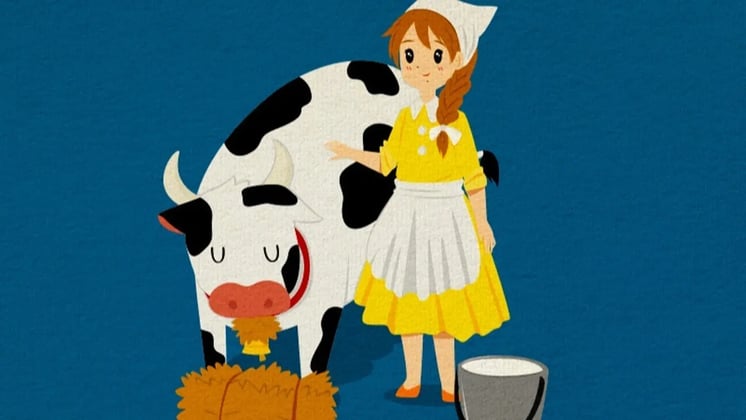
A young milk-maid dreamed about all the things she would buy after selling her milk. While walking and imagining success, she became careless and dropped the pot. The milk spilled, and her plans vanished. This story teaches children the importance of staying focused and realistic while working toward goals.
Moral: Daydreaming without effort can lead to disappointment.
Discussion Question: Why is it important to stay attentive while doing tasks?
Age Recommendation: Best for ages 6–9
The Little Red Hen
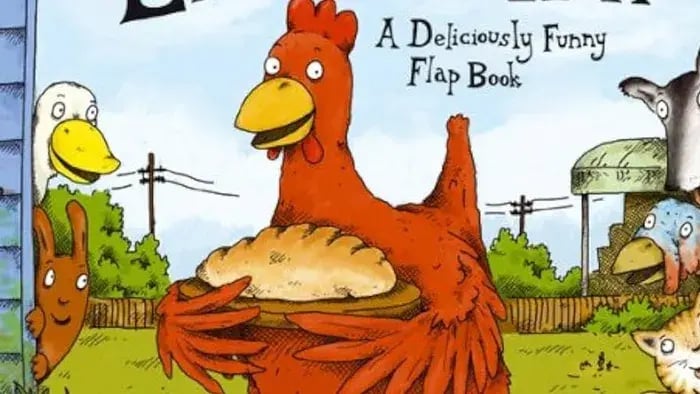
A hardworking hen asked her friends for help in planting, harvesting, and baking bread. Each animal refused to assist. When the bread was ready, everyone wanted to share it. The hen politely refused, reminding them that effort brings rewards. The story highlights responsibility and teamwork in simple daily actions.
Moral: Those who work hard deserve the results of their effort.
Discussion Question: Why should teamwork matter in daily responsibilities?
Age Recommendation: Best for ages 5–8
The Lion's Share

After a successful hunt, several animals expected to share the food equally. However, the lion claimed most of it using his power and authority. The others realised that fairness and strength do not always go together. This story helps children understand justice, sharing, and standing up for fairness in group situations.
Moral: Fairness should guide decisions, not power alone.
Discussion Question: How can fairness be practiced when sharing with others?
Age Recommendation: Best for ages 8–11
Real-Life Inspiring Stories of Kindness
Real-life kindness stories show students that caring actions happen in everyday moments. These examples feel practical and believable because they reflect school, travel, or friendship situations. Learning about real acts of kindness encourages students to practice empathy, respect, and helpfulness in their own surroundings.
The Boy Who Shared His Lunch
During a busy school day, a young boy noticed his classmate sitting quietly without opening a lunchbox. Instead of ignoring the situation, he offered to share his own meal. They sat together, talked, and finished the food happily. This simple gesture created a new friendship and helped the other child feel included and cared for. Small actions like sharing food or time can make school environments warmer and more supportive.
Moral: Kindness can begin with simple acts of sharing.
Discussion Question: How can sharing small things help build friendships?
Age Recommendation: Best for ages 6–10
A Random Act of Kindness on the Bus
On a crowded school bus, a student noticed an elderly passenger struggling to stand steadily. Without hesitation, the child offered the seat and helped hold the passenger’s bag. Other students quietly observed this thoughtful behavior and later began practising similar gestures. Such everyday acts show that kindness does not require grand efforts; it often appears in respectful, mindful moments during daily travel or routines.
Moral: Respectful actions toward others show true kindness.
Discussion Question: Why is it important to help people in public places?
Age Recommendation: Best for ages 7–12
Sandra’s Swimming Lessons
Sandra felt nervous on the first day of swimming class and hesitated to enter the pool. A fellow student gently encouraged her, stayed beside her, and helped her practice basic movements. With steady support, Sandra slowly gained confidence and began enjoying the activity. This experience showed how emotional encouragement can be as powerful as physical help, especially when someone feels unsure or afraid.
Moral: Encouragement and patience help others overcome fear.
Discussion Question: How can emotional support change someone’s confidence?
Age Recommendation: Best for ages 6–11
Kindness Activities & Discussion Questions for Classrooms
Kindness becomes meaningful when students practice it through engaging activities after listening to stories. Classroom exercises help transform ideas into actions, making empathy and cooperation part of daily habits. These simple activities encourage reflection, creativity, and teamwork while reinforcing positive social behavior in a structured learning environment.
Kindness Jar Activity
Students can write small acts of kindness they performed or observed and place them in a decorated jar. Reading these notes weekly helps students recognize the value of thoughtful behavior. This activity builds motivation, appreciation, and a positive classroom atmosphere.
Role-Playing Kindness Scenarios
Teachers can create short situations such as helping a new student or sharing resources. Students act out responses and discuss how different actions affect feelings and relationships. Role-playing improves emotional understanding, communication skills, and decision-making.
Draw and Reflect Exercise
Students can draw a scene from a kindness story and explain what message they understood. This creative expression strengthens comprehension and allows students to connect emotions with actions. Visual storytelling also supports confidence and classroom participation.
Kindness Chain Craft
Each student writes one kind act on a paper strip, which is then linked together to form a chain displayed in the classroom. This visible reminder encourages consistent positive behavior and teamwork among students.
Group Discussion Circle
After reading a story on kindness, students can sit in a circle and share thoughts on why characters acted in certain ways. Guided discussions build listening skills, respect for opinions, and deeper moral understanding.
Frequently Asked Questions
Q1: How do you explain kindness to a child?

Kindness can be explained as caring actions that make others feel safe, happy, or respected. Using simple examples like sharing toys or helping a friend makes the concept easier to understand. Stories and real-life situations help children connect kindness with everyday behavior.
Q2: What are some simple acts of kindness for students?
Students can practice kindness by greeting classmates warmly, sharing stationery, helping someone understand lessons, or saying encouraging words. Small daily gestures build empathy and strengthen friendships. Consistent positive actions help create a supportive and respectful learning environment.
Q3: Why is empathy important in schools?
Empathy helps students understand others’ feelings and respond with patience and care. It reduces conflicts, improves teamwork, and supports emotional well-being. When empathy is encouraged in schools, students develop stronger social connections and feel more confident participating in group activities.
Pakhi writes with the belief that dessert isn’t just a dish—it’s a mood. Her work blends storytelling with tips, turning timeless treats and trendy bites into accessible moments of comfort, celebration, and creative expression.
The views expressed are that of the expert alone.
Popular Topics