



 Parenting Guide


 Child Health & Growth


 Learning & Skills Development


 Food & Nutrition


 Bournvita





Introduction

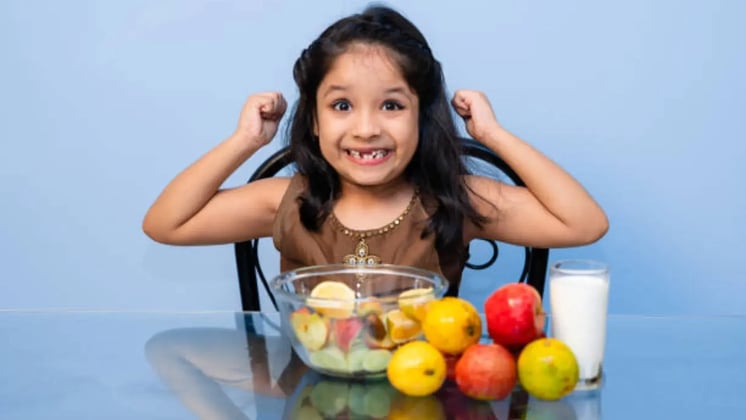
Calcium is often linked straight to milk, curd, and cheese, but this mineral exists in many other everyday foods that can support a child’s growing bones and teeth. For parents, it helps to know that nutrition doesn’t have to rely on dairy alone, especially if a child dislikes milk or needs variety in their meals. By looking beyond the usual options, you can still provide the right amount of calcium in a fun and balanced way.
Leafy greens like spinach and amaranth, crunchy sesame seeds, soft ragi dishes, and even chickpeas can contribute to strong bones and steady growth. Seasonal fruits such as oranges or guavas also add a refreshing dose of calcium along with vitamin C, which helps with better absorption. These foods not only make meals healthier but also add variety, colors, and flavors that children enjoy.
The best part is that these ingredients can be included in everyday recipes without extra effort. From adding greens to parathas and dals, to preparing ragi dosas, or simply offering a fruit salad sprinkled with seeds, small choices can make a big difference. By mixing dairy with these alternative sources, you can ensure your child’s diet has enough calcium to support their energy, learning, and overall development.
Why Calcium Is Important for Children
Calcium plays an important role in building strong bones and healthy teeth in children during their early years. It also supports normal muscle movement and other body functions. While dairy foods are common sources, children can also get calcium from various vegan calcium sources. This includes different non-dairy calcium-rich foods such as tofu, seeds, leafy greens, and fortified plant-based milk can help add variety to everyday meals.
Foods Your Kids Can Have for Calcium
| Vegan Food with High Calcium | How to Include It | Nutrients in the Food |
| Soybeans | Add tofu to curries, stir-fries, or sandwiches. Use soy milk in smoothies or porridges. | Calcium, protein, iron |
| Curry Leaves | Use in dal tempering, chutney, or roast and powder them over rice. | Calcium, vitamin A, antioxidants |
| Rajma (Kidney Beans) | Make rajma curry with rice, or try rajma cutlets and salads. | Calcium, protein, potassium |
| Lotus Seeds (Makhana) | Roast as a snack or use in kheer with milk or almond milk. | Calcium, protein, antioxidants |
| Bhindi (Okra) | Prepare crispy bhindi fry, stuffed bhindi, or a simple stir-fry. | Calcium, fiber, vitamin C |
| Poppy Seeds (Khus Khus) | Grind into gravies or add to ladoos and halwa. | Calcium, healthy fats |
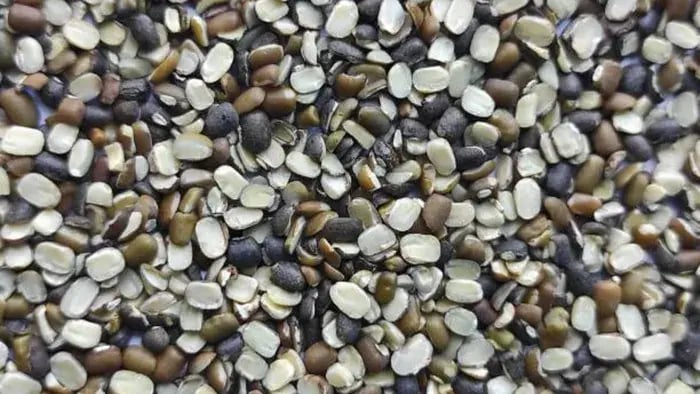
| Black Gram (Urad Dal) | Use in dosas, idlis, or dal curries. | Calcium, protein, iron |
Best Vegan Calcium Sources for Kids
Tofu
Tofu is one of the most versatile vegan calcium sources for children. You can add calcium-set tofu to curries, wraps, sandwiches, stir-fries, or scrambled dishes. Its soft texture also makes it easy to include in meals that children already enjoy.
Sesame Seeds
Sesame seeds are a simple way to add calcium to everyday foods. You can sprinkle them over vegetables, rice, salads, or homemade snacks. Sesame seeds can also be ground into chutneys or spreads, making them an easy addition to meals featuring calcium rich foods vegan.
Almonds
Almonds have calcium along with protein, healthy fats, and other nutrients. Soaked almonds can be served as a snack, blended into smoothies, or chopped over oatmeal and porridge. They can be part of a varied diet that includes several non-dairy calcium-rich foods.
Soy Milk
Unsweetened soy milk can be a useful dairy-free option for children, particularly when it is calcium-fortified. It can be used in smoothies, cereal, porridge, or other recipes. Check the nutrition label to choose a product that provides calcium and is suitable for the child.
Leafy Green Vegetables
Leafy greens such as kale, collard greens, and some other vegetables can contribute calcium to a child's diet. They can be added to dals, soups, parathas, wraps, or smoothies. Including different vegetables alongside seeds, legumes, and fortified foods makes it easier to add calcium rich foods vegan to regular meals.
Vegan Calcium Meal Ideas for Kids

Making vegan calcium sources part of familiar meals can keep food simple and appealing for children. Try tofu wraps with vegetables, oatmeal made with calcium-fortified soy milk, or a smoothie prepared with fortified plant-based milk and almonds. Sesame seed chutney with dosa, leafy greens mixed into dal, and roasted makhana can also add variety. Offering different non-dairy calcium-rich foods throughout the day can help children get calcium from several sources instead of relying on one food.
Daily Calcium Requirements by Age
Children's calcium needs change as they grow. According to the National Institutes of Health, children ages 1–3 need about 700 mg of calcium per day, while those ages 4–8 need about 1,000 mg. Children ages 9–18 need about 1,300 mg daily. Parents can meet these needs by offering a varied diet that includes calcium-rich foods vegan fortified foods, and other appropriate calcium sources.
Conclusion
Calcium doesn’t need to come only from milk or paneer. Foods like soybeans, curry leaves, urad dal, and even light snacks like makhana can provide just as much support. With these easily available options, you can ensure meals remain interesting, balanced, and full of variety. The more diverse the diet, the stronger the foundation for your child’s growth and long-term health.
Frequently Asked Questions
What are the best vegan calcium sources?

Tofu, calcium-fortified plant-based milk, sesame seeds, leafy greens, almonds, beans, and some fortified foods are useful vegan calcium sources. Offering several options can add variety to a child's diet.
Can children get enough calcium without dairy?
Yes. Children can get calcium from a variety of non-dairy calcium-rich foods, including calcium-set tofu, fortified plant-based milk, sesame seeds, leafy greens, beans, and other fortified foods.
Are almonds rich in calcium?
Almonds contain calcium and can contribute to a child's overall intake. However, they are best included as part of a varied diet with other calcium-rich foods, such as tofu, seeds, vegetables, and fortified foods.
Which vegetables contain calcium?
Some vegetables, including leafy greens such as kale and collard greens, contain calcium. The amount and absorption can vary between vegetables, so children should eat a variety of vegetables along with other vegan calcium sources.
The views expressed are that of the expert alone.
Popular Topics