




 Parenting Guide


 Child Health & Growth


 Learning & Skills Development


 Food & Nutrition


 Bournvita




Introduction
Including vitamin D foods for kids in everyday meals is a simple way to support healthy growth, strong bones, and overall well-being. Many parents assume that vegetables are naturally rich in vitamin D, but that's a common misconception. In reality, most vegetables contain little to no vitamin D, although they are packed with many other important nutrients. The good news is that with the right mix of vitamin D-rich foods, sensible sunlight exposure, and balanced meals, it's easy to help children meet their daily nutritional needs.
Which Foods Give Kids Vitamin D? (Do Vegetables Count?)
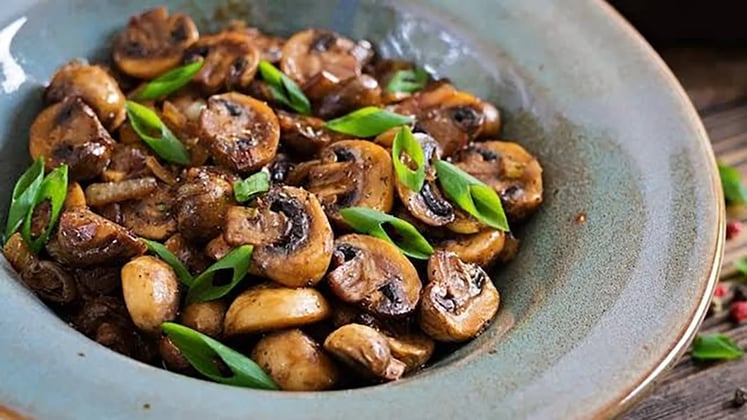
Many parents are surprised to learn that most vegetables and fruits are not good sources of vitamin D. The main plant-based exception is UV-exposed mushrooms, which naturally produce vitamin D when exposed to ultraviolet light.
Some of the best vitamin D foods for kids include:
- UV-exposed mushrooms
- Egg yolks
- Fatty fish such as salmon, sardines, tuna, and mackerel
- Fortified milk and dairy products
- Fortified breakfast cereals
- Fortified plant-based milk alternatives
- Cod liver oil (only if recommended by a doctor)
Although these foods contribute to vitamin D intake, sunlight remains the body's primary source of vitamin D. Children at risk of deficiency may also require supplements, but these should be given only under the guidance of a paediatrician.
Vitamin D Meal Ideas for Kids
Build meals around real vitamin D sources and pair them with vegetables for overall nutrition.
Pair Vitamin D Foods with Veggies
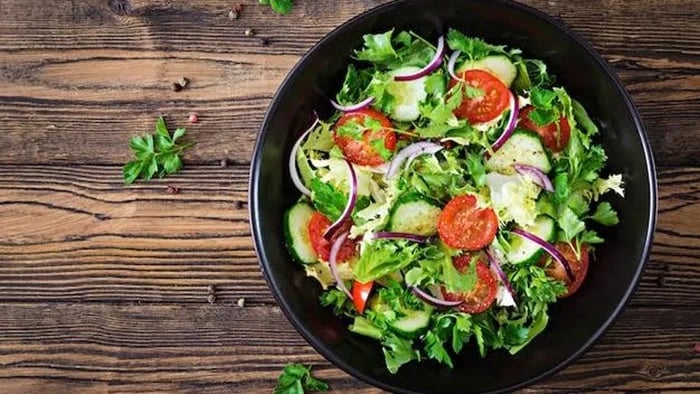
While vegetables don't provide significant vitamin D, they offer fibre, vitamins, minerals, and antioxidants that are essential for a balanced diet. Pair colourful vegetables with real vitamin D foods to create nutritious meals. Try grilled salmon with roasted vegetables, mushroom and vegetable stir-fry, egg wraps with salad, tuna pasta with broccoli, or vegetable omelettes. These combinations provide a variety of nutrients while making meals more appealing for children.
Make Mushrooms the Star
UV-exposed mushrooms are among the few plant-based foods that naturally contain vitamin D. They can be easily added to child-friendly meals such as creamy soups, vegetable curries, pasta, stir-fries, stuffed mushrooms, wraps, or grilled mushroom skewers. Their mild flavour and soft texture make them easy to include in everyday family meals.
Egg and Fish Dishes
Egg yolks and fatty fish are among the best natural sources of vitamin D for children. Serve scrambled eggs, vegetable omelettes, egg sandwiches, or boiled eggs for breakfast. For lunch or dinner, try grilled salmon, baked fish fingers, tuna sandwiches, sardine toast, or fish cutlets to make vitamin D-rich meals both nutritious and appealing.
Use Fortified Milk and Dairy
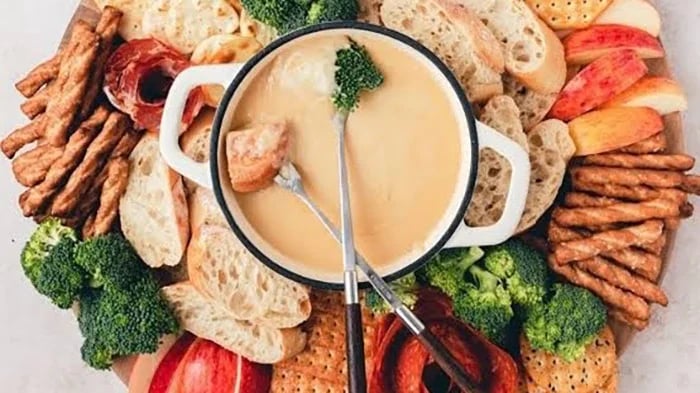
Fortified milk and dairy products help increase vitamin D intake while making meals creamier and more enjoyable for children. Dishes like palak paneer, methi malai matar, cheese toast, yoghurt parfaits, or vegetable pasta with cheese get their vitamin D primarily from the fortified dairy ingredients—not from the spinach or other vegetables. Dairy also helps improve the taste and texture of many healthy meals.
Combine homemade carb-rich foods with varieties of veggies for a wholesome meal
Stop loading your kids' tiffin boxes with pasta and pizzas full of cheese and meat only. Eating vegetables can be fun, especially when used in cool Neapolitan-style pizzas, veggie-filled risottos, and pasta primavera. Just avoid processed cheese and meat. Instead, grill proteins at home and add only moderate amounts of parmesan or mozzarella cheese for a healthy enjoyable experience that secretly also charges your kids vitamin D levels.
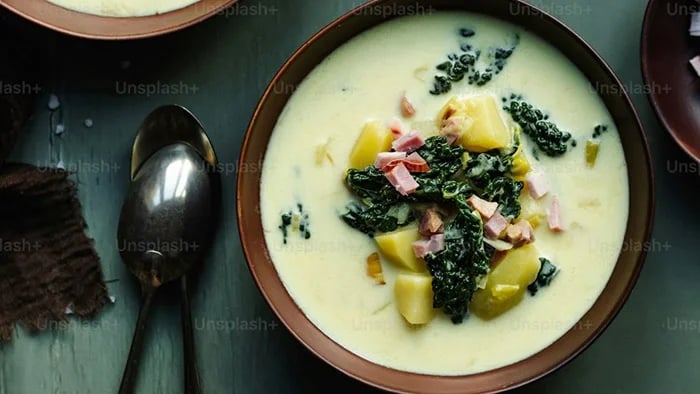
Sneak different vegetables into your kids’ meal via soups and smoothies
An easy way of getting your kids to eat vegetables is going back to their childhood. Just as you fed your kids vegetable purees as a baby, use different kinds of vitamin D-rich vegetables to create healthy and wholesome soups and smoothies. Pair some exciting spices and veggies to create soups that are undetectable and scrumptious. As for smoothies, once delicious fruits, honey and dairy join hands, vegetables are bound to score for victory with no complaints from the fussy recipient.
Go global with vegetables and food ideas, kids love innovative and thoughtful dishes
Children are adventurous creatures. Though not all kids are open to the idea of new foods and textures, creating fun and exciting international dishes always spices up the game of nourishment for children. Cut their vegetables in fun shapes, make healthy dips at home to go with vegetables and opt for the air-fryer while making vegetable chips and fries to ensure minimal empty calories are involved.
Conclusion: Real Sources, Fun Meals
Vegetables are an important part of every child's diet, but they should not be relied upon as a source of vitamin D. Children get vitamin D primarily from UV-exposed mushrooms, egg yolks, fatty fish, fortified foods, sunlight, and doctor-guided supplements when needed. By combining these foods with colourful vegetables and serving them in fun, child-friendly meals and snacks, parents can support healthy growth, strong bones, and overall well-being in a practical and enjoyable way.
Frequently Asked Questions
What are the best vitamin D foods for kids?

Some of the best vitamin D foods for kids include UV-exposed mushrooms, egg yolks, fatty fish like salmon and sardines, fortified milk, fortified cereals, and fortified plant-based milk. These foods, along with sensible sun exposure, help support healthy vitamin D levels.
Can kids get enough vitamin D from food alone?
Food contributes to vitamin D intake, but it is often not enough on its own. Most children also rely on regular sunlight exposure, and some may need doctor-recommended supplements depending on their age, diet, lifestyle, and vitamin D status.
Her love for storytelling began with reading her grandfather’s speeches, where Tarishi saw the power of words in creating lasting memories. Combining her passions for food and writing, she has turned her life into a fulfilling path of sharing stories that celebrate flavours and how food brings communities together.
The views expressed are that of the expert alone.
Popular Topics