




 Parenting Guide


 Child Health & Growth


 Learning & Skills Development


 Food & Nutrition


 Bournvita





Introduction
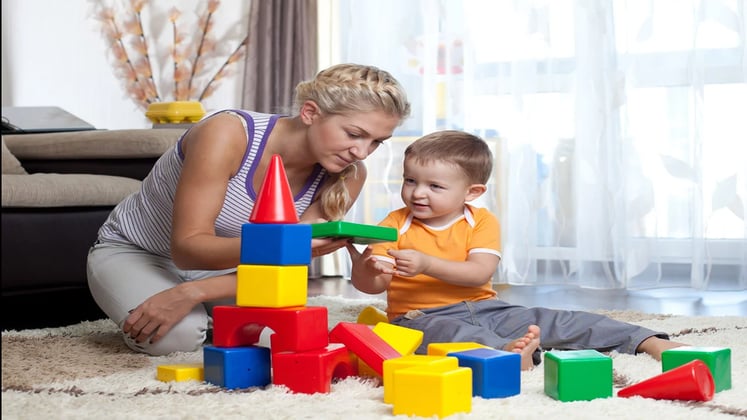
Raising toddlers can feel exciting, emotional, and challenging at the same time. Between learning new words, exploring every corner of the house, and expressing strong emotions, toddlers grow very quickly during these early years. This stage is important because children begin building confidence, habits, communication skills, and emotional understanding.
Many parents search for useful parenting tips for toddlers because this age often brings tantrums, curiosity, and sudden mood changes. Following healthy routines, communicating positively, and seeking patient guidance can make daily life easier for families. Good toddler parenting tips also help children feel safe, understood, and emotionally connected. While every child is different, thoughtful approaches to parenting toddlers can support happier relationships and healthy childhood development.
Understanding Toddler Development (1–3 Years)
Toddlers between one and three years grow rapidly in emotional, social, and cognitive areas. During this stage, children begin speaking simple words, identifying emotions, recognizing people, and exploring independence. They also become curious, energetic, and eager to test boundaries.
Many behaviors that seem difficult, such as tantrums or stubbornness, often occur because toddlers still struggle to express their feelings effectively. This makes early parenting approaches very important. Calm communication, structured routines, and emotional support help children feel secure while supporting healthy development, stronger confidence, better learning habits, and improved emotional understanding during these important growing years.
Why Parenting Toddlers Requires a Different Approach?

Toddlers experience rapid emotional and physical growth, requiring patience, guidance, understanding, and flexible parenting methods during important developmental years.
Transition from Infancy to Independence
Toddlers slowly move from depending completely on parents toward wanting independence, making routines, communication, and emotional guidance very important daily.
Managing Tantrums and Curiosity
Strong curiosity and emotional outbursts are common because toddlers still struggle to communicate feelings, control impulses, and understand boundaries properly.
Role of Conscious and Mindful Parenting
Patient responses, calm communication, and emotional understanding help children feel safe, valued, and emotionally connected during challenging toddler years daily.
9 Best Parenting Tips for Toddlers
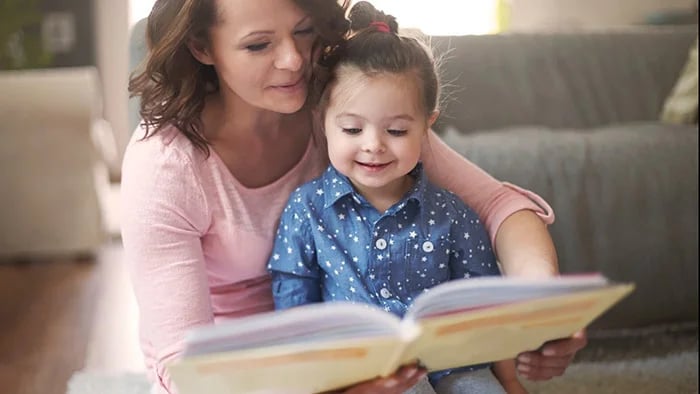
Simple routines, emotional support, patience, and healthy communication help parents successfully guide toddlers through learning, behavior changes, and emotional development.
Encourage and Appreciate Small Achievements
As mobiles have grown smarter, so have children. However, this has simply raised competition among peers to an insane level, often creating self-esteem issues in children. Acknowledge and appreciate your kids’ achievements, big and small. It does not have to be a party for every time they top a class test, but a special dessert can be made on those occasions. Children seek validation from their parents and frequent criticism can create a vacuum of it. Therefore, parents should show they care and try to let their toddlers develop confidence and come into their own being.
Set Clear Boundaries Early
It is important to set boundaries early in the relationship. Your kid should be aware of the extent of your liberal nature and the limits they must remain within out of love and respect for you. This makes it easier for parents to handle toddler tantrums, if any. Yes, you can make your kids fear you, but this will build resentment and end up harming their mental well-being in the long run. Therefore, it is ideal for parents to communicate their limits and listen to their toddlers regarding their personal boundaries as well. This creates a healthy zone of trust and communication between parents and toddlers, making discipline a less messy job for parents.
Be Consistent with Discipline
Discipline should not be turned on one day and turned off on another, like a switch. It should remain consistent. Of course, you can allow your kids to have ice cream for breakfast on a trip or on their birthday, but it cannot be allowed every time they have a tantrum. Discipline should be enforced by parents upon toddlers, not the other way around. Once your child develops good habits and virtues, you can then come to a common ground on discipline via communication. Till then, remain understanding and loving, but a disciplinarian when required.
Make Mealtime Fun and Engaging
Food should not be boring for children or repeated every day. Maybe repeat a dish every two days, that too if specifically requested. Also, try to involve them in the cooking or serving process. This will intrigue them and inculcate healthy food habits in them. Also, being introduced to different kinds of food early helps develop a healthy toddler with little risk of food intolerances, allergies, or fussiness.
Spend Quality Time Every Day
Parents need to spend time with their children. Despite having busy and tiring lives, parents must set aside time every day for their children. Be it thirty minutes or three hours, and the time should be solely theirs, uninterrupted by any calls or emails unless there is an absolute emergency. Your kids should not feel less valued than your work or stress. After all, you may be working hard for their future, but they need your company today.
Be Patient and Encourage Questions
Your child should feel free to ask you any question without hesitation. They should not feel scared or embarrassed to ask their parents, especially at such a tender age. Though the question may range from how many stars are in the galaxy to asking you to explain something for the tenth time, you must keep your cool. It is natural for their developing brains to ponder and ask deep questions, and getting the right response can make or break their character.
Lead by Example (Be a Role Model)
If you want your kid to be a certain way, you must emulate those qualities to imbibe them. Kids do not learn from their parents, and they mimic them. Therefore, if you are a good role model for your kids, your kids will be inspired to learn and do the same. Remember, it is natural for toddlers to see strangers and try to mimic them. That does not mean their love and respect for you have lessened; it is simply a passing fancy.
Teach Basic Manners and Communication
Magic words are important. ‘Please’, ‘thank you', ‘sorry', and ‘excuse me’ are some extremely common words and phrases that have grown scarce in children's vocabulary nowadays. Use them more with your toddlers in a polite, straightforward manner and encourage them to do the same. This will build a lifelong good habit.
Teach Kindness and Empathy Early
Kindness is the key to happiness. In a world where cruelty comes easier to some people than benevolence, parents need to teach their children empathy and kindness from a young age. Caring for animals, helping the elderly, and being polite to employees should be a common courtesy and not rare instances. If you want your toddlers to be kind, now is the time to start.
Positive Parenting Techniques for Toddlers

Positive parenting focuses on guidance, patience, communication, emotional understanding, and trust instead of fear-based discipline or constant punishment methods.
Gentle Discipline vs Punishment
Gentle discipline teaches toddlers appropriate behavior through calm guidance, while harsh punishment may create fear, confusion, and emotional distance over time.
Reinforcement Over Criticism
Praising good actions encourages positive habits and confidence more effectively than repeated criticism, negative comments, or frequent emotional reactions daily.
Building Trust and Security
Consistent love, emotional support, and patient communication help toddlers feel safe, understood, and emotionally connected with parents every day.
Managing Toddler Tantrums Effectively
Toddler tantrums are common during emotional development because young children struggle with frustration, communication, patience, and understanding complicated feelings properly.
Why Tantrums Happen
Tantrums often happen when toddlers feel overwhelmed, tired, hungry, frustrated, or unable to express their emotions clearly through words.
How to Respond Calmly
Speak softly, stay patient, comfort the child, and avoid shouting because calm responses help toddlers feel emotionally supported during stressful moments.
What to Avoid
Avoid yelling, harsh punishments, or public embarrassment, as these reactions may significantly increase fear, anger, and emotional frustration in toddlers.
Daily Routine Ideas for Toddlers
Structured routines help toddlers feel secure while supporting healthy habits, emotional balance, learning, sleep quality, and overall development throughout childhood.
Sleep Schedule
Consistent bedtime routines improve sleep quality, mood, emotional regulation, and energy levels while helping toddlers feel calm and rested daily.
Playtime
Interactive games, creative toys, and active movement support social skills, imagination, emotional development, and physical coordination during toddler years.
Learning + Meal Routine
Balanced schedules combining meals, storytelling, learning activities, and relaxation support healthy development and improve everyday routines for growing toddlers.
Best Toddler Activities for Growth and Learning
Engaging activities help toddlers improve creativity, communication, coordination, emotional understanding, confidence, and physical development during important growing years daily.
Indoor Activities
Drawing, puzzles, building blocks, storytelling, and pretend play help toddlers improve creativity, concentration, and communication skills while staying engaged indoors.
Outdoor Play Ideas
Nature walks, ball games, running, sand play, and playground activities support coordination, confidence, movement, and healthy physical activity for toddlers.
Skill-Based Activities
Sorting games, stacking blocks, coloring, and shape recognition activities help toddlers improve fine motor skills and problem-solving abilities effectively daily.
Common Parenting Mistakes to Avoid
Small parenting mistakes may affect emotional development, behavior, confidence, communication, and healthy routines during the important toddler years, gradually over time.
Over-Discipline
Strict discipline or constant punishment may create fear, frustration, and emotional distance instead of properly teaching healthy behavior and understanding.
Excess Screen Time
Too much screen exposure may affect communication, sleep, social interaction, concentration, and emotional development during important childhood learning stages.
Inconsistent Rules
Changing rules frequently may confuse toddlers and make it harder for them to understand boundaries, routines, and expected behavior clearly.
Parenting Tips for New Parents with Toddlers
New parents may feel overwhelmed during toddler years, but patience, realistic expectations, and emotional understanding can make parenting easier daily.
Adjusting Expectations
Toddlers learn gradually, so parents should avoid expecting perfect behavior and instead focus on consistent guidance and emotional support daily.
Managing Stress
Parents should prioritize rest, support systems, and self-care because calmer adults respond more patiently during difficult parenting situations every day.
Building Patience
Patience improves communication and helps toddlers feel emotionally secure while reducing stress during tantrums, routines, and challenging daily moments effectively.
Conscious and Mindful Parenting for Toddlers
Mindful parenting focuses on emotional connection, awareness, patience, and supportive communication, guiding toddlers through important developmental experiences each day.
Being Present
Spending focused time with toddlers helps strengthen emotional bonds and improve communication, trust, and healthy parent-child relationships significantly over time.
Emotional Awareness
Understanding emotions helps parents respond calmly while teaching toddlers healthier ways to express feelings and manage frustration more effectively.
Long-Term Impact on Child Behavior
Supportive parenting approaches help children develop confidence, emotional security, communication skills, and healthier behavioral patterns as they continue to grow.
Conclusion
Every toddler is different, so there is no perfect parenting method that works for every family. Some children respond better to routines, while others need extra emotional reassurance or flexibility. The key to successful parenting toddlers lies in consistency, patience, communication, and emotional connection. Small daily efforts, calm guidance, and supportive relationships help toddlers feel secure while building confidence, independence, and healthy behavior habits that can positively influence their future growth and development.
Frequently Asked Questions
What are the best parenting tips for toddlers?

The best parenting tips for toddlers include patience, consistent routines, emotional support, healthy communication, positive discipline, and encouraging active learning through play.
How do you discipline a toddler positively?
Positive discipline focuses on calm guidance, clear rules, praise for good behavior, and teaching rather than frequent harsh punishment or yelling.
How do you handle toddler tantrums?
Stay calm, comfort the child, avoid shouting, and help toddlers express emotions using simple words during emotional outbursts and moments of frustration.
What activities are best for toddler development?
Drawing, puzzles, outdoor games, storytelling, building blocks, music, and pretend play support learning, creativity, coordination, and emotional growth effectively.
What is mindful parenting?
Mindful parenting means responding with patience, awareness, emotional understanding, and focused attention while supporting healthy parent-child relationships and communication.
Kaushiki Gangully is a content writing specialist with a passion for children's nutrition, education, and well-being. With more than five years of writing experience and a science-based background, she provides nuanced insights to help families raise happy, healthy kids. Kaushiki believes in making learning and healthy eating fun, empowering parents with practical, easy advice.
The views expressed are that of the expert alone.
Popular Topics