




 Parenting Guide


 Child Health & Growth


 Learning & Skills Development


 Food & Nutrition


 Bournvita





Introduction
A balanced meal should always include important vitamins and minerals along with carbohydrates, protein, and healthy fats. Among these nutrients, vitamin A foods play a major role in maintaining good vision, healthy skin, and strong immunity. Adding vitamin A rich foods to daily meals helps support body functions and reduces the risk of nutritional deficiencies.
Fresh fruits, vegetables, dairy products, and other nutritious ingredients are excellent foods for eye health and overall wellness. Since children are still growing, including proper nutrition becomes even more important. A healthy intake of vitamin A for kids supports development, improves immunity, and helps maintain healthy eyesight. Summer also offers plenty of colorful produce, making it easier to prepare delicious meals filled with vitamin A rich fruits and vegetables for the entire family.
What Is Vitamin A and Why Is It Important?
Vitamin A is an important nutrient that supports vision, immunity, skin health, and body growth. It helps the eyes adjust better in low light and supports healthy eyesight. This is why many vitamin A rich foods for eyes are recommended in balanced meals. The nutrient also helps maintain healthy skin and supports the body’s defense system against infections.
Including vitamin A foods in daily meals becomes especially important for growing children because this nutrient supports growth and development. Dairy products, vegetables, fruits, and animal foods are common sources of vitamin A rich foods that help maintain overall health. Proper intake of vitamin A for children can support stronger immunity, healthier skin, and better physical development.
Benefits of Vitamin A for Eyes, Skin, and Immunity
Adding vitamin A rich foods to daily meals supports vision, immunity, healthy skin, and proper body growth for children and adults.
Improves Vision (Especially Night Vision)
Vitamin A supports eye function and helps improve vision in dim lighting conditions. Many foods for eye health help maintain healthy eyesight.
Supports Immune System
Proper intake of vitamin A foods helps strengthen immunity and supports the body in fighting infections and maintaining better overall health.
Promotes Healthy Skin
Vitamin A helps maintain smoother skin texture and supports skin repair, making vitamin A rich foods important for healthy skin care.
Supports Growth in Children
Including vitamin A for kids in meals supports body growth, healthy development, stronger immunity, and better overall nutritional balance during childhood.
Signs of Vitamin A Deficiency
Low intake of vitamin A rich foods may affect vision, skin, immunity, and overall health if ignored for longer periods.
Night Blindness
Difficulty seeing clearly in dim lighting can occur when the body does not receive enough vitamin A foods regularly through meals.
Dry Eyes
Vitamin A deficiency may lead to dry or irritated eyes because this nutrient supports healthy moisture and eye surface protection.
Weak Immunity
Low intake of vitamin A rich foods for eyes and immunity may make the body more vulnerable to infections and frequent illnesses.
Skin Dryness
Vitamin A deficiency may cause rough or dry skin because this nutrient helps maintain healthy skin texture and repair functions.
Best Vitamin A Rich Foods to Include in Your Diet
Including colorful fruits, vegetables, dairy products, and proteins helps increase intake of vitamin A rich foods for better health support.
Vitamin A Rich Vegetables
Pumpkin
Pumpkin is one of the best vitamin A foods containing beta-carotene, fiber, and antioxidants that support healthy vision and immunity support.
Red Bell Peppers
Red bell peppers contain antioxidants and nutrients that support eye care, skin health, and overall wellness while adding vibrant color to meals.
Carrots
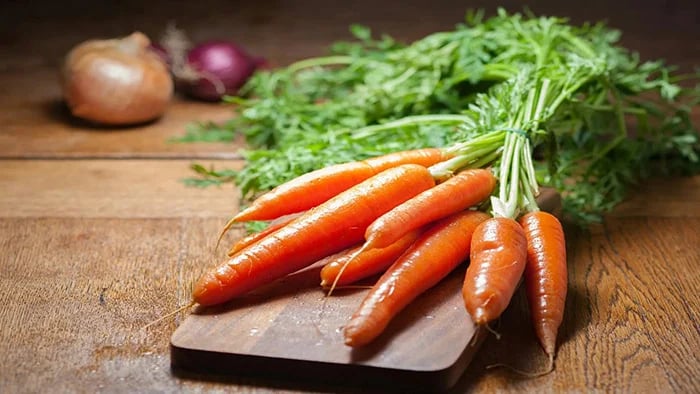
Carrots are very crunchy and delicious. It is packed with beta-carotene, an essential element later converted into vitamin A by the body. Carrots can be made into lots of different dishes, such as carrot cold soup, Gajar Ka Halwa, carrot salad, carrot chips with hummus, and many more.
Carrots are also slightly sweet and come in different variants. You can add carrots as a flavorful vegetable to your rice and curries. You can boil them up and add spices to make them a good snack or store them frozen. Try them as an added ingredient for the best-balanced meal from the Vitamin A food list.
Sweet Potatoes
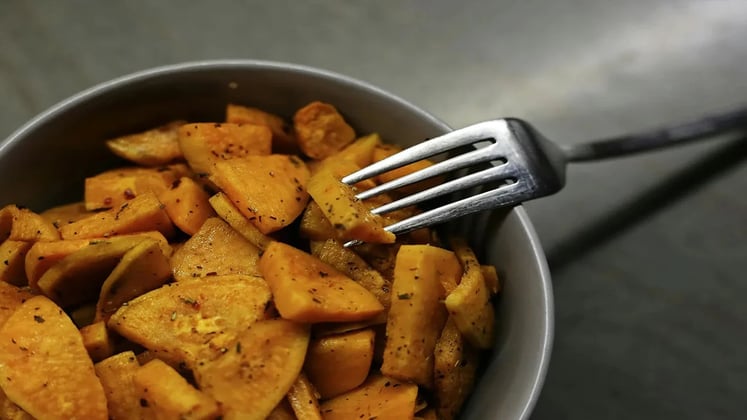
If you love potatoes, you will love sweet potatoes, too! These root vegetables are tasty and provide a healthy dose of Vitamin A. Sweet potatoes can be made in similar ways to potatoes. You can add different types of curries, or you can have them mashed or boiled. You can even fry it as French fries to have the best out of it.
Sweet potatoes are also delicious when grilled. Grilling them gives them a sweet early flavor, which enhances the dish you are cooking. It is a perfect alternative to induce vitamin A in your family's diet with one of the best Vitamin A-rich food
Spinach
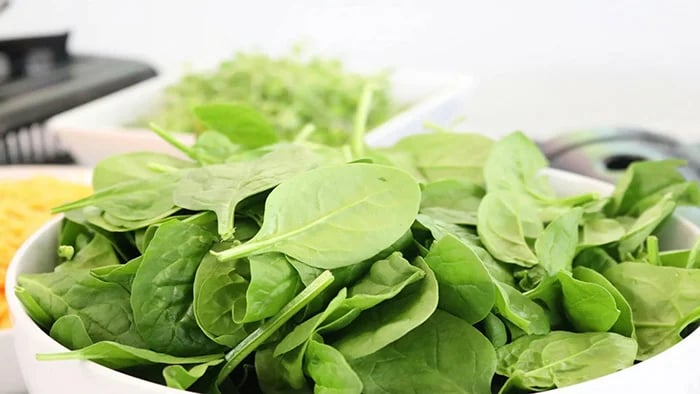
Spinach is something that always comes first when someone thinks of greens. However, the taste of spinach is quite bland. It can be made into a perfect side dish or even a main course with the correct number of spices and combinations. With these preps, it can be healthy and tasty like never before.
Spinach is a nutrient powerhouse, including vitamin A, whether enjoyed fresh in salads or cooked in various dishes. Dishes can be made like palak paneer, palak paratha, spinach pesto pasta, and other spinach-based dishes. These are some of the most delicious-tasting meals one can crave. Spinach can also be made into smoothies for a refreshing drink, making it one of the foods high in Vitamin A.
Vitamin A Rich Fruits
Papaya
Papaya is among the healthiest vitamin A rich fruits because it supports digestion, skin health, immunity, and healthy eyesight through antioxidants.
Watermelon
Watermelon provides hydration, antioxidants, and nutrients supporting eye wellness while making refreshing summer meals rich in healthy nutrients and vitamins.
Cantaloupe
Cantaloupe contains beta-carotene and antioxidants that support healthy vision, skin care, hydration, and balanced nutrition during warm summer months.
Mangoes
Summer is already here, and with summer, how can one skip be talking about mangoes? Mangoes are the primary fruit of the season. They are also packed with vitamins and minerals, especially vitamin A. Mango is also a very versatile fruit that can be made into different smoothies, halwa, and even salads.
Mangoes are delicious summer treats that are a good source of Vitamin A food Items. Mangoes can be raw or cooked and made into different Chutneys, too. They are also a very refreshing cold treat in terms of the flavor of ice creams and popsicles. Make the most of mangoes this summer. Get a boost of vitamin A!
Apricots
Another sweet summer fruit, apricots, is loaded with beta-carotene, making them an excellent choice for boosting your intake of vitamin A-rich foods in India. Apricots are tropical and unique to their nature and filled with lots of natural sugar, which makes them perfect for dried candy or a calming tea, like peaches.
Apricots can be used as garnishes or made into pies. Whether you bake or grill them, the taste and nutrients remain flawless. They can also be made into various Indian desserts. Try out different apricot dishes this summer!
Animal Sources of Vitamin A
Eggs
Eggs provide protein and Vitamin A together, supporting eye function, immunity, muscle growth, and balanced nutrition for children and adults daily.
Milk and Dairy
Milk, curd, cheese, and paneer are nutritious vitamin A foods supporting stronger bones, healthier skin, and improved eyesight through balanced nutrition.
Fish (Salmon, Mackerel)
Fatty fish contain healthy fats and nutrients supporting eye wellness, brain function, and stronger immunity while improving overall nutritional intake daily.
Liver
Liver contains concentrated Vitamin A and iron, making it one of the richest animal-based sources supporting vision and healthy body function.
Vitamin A Rich Foods for Kids
Nutritious vitamin A for kids supports healthy eyesight, immunity, growth, and balanced nutrition through colorful and flavorful daily meals.
Carrot-Based Snacks
Carrot sticks, carrot parathas, or carrot cutlets are tasty vitamin A foods supporting healthy vision and balanced childhood nutrition every day.
Mango Smoothies
Mango smoothies made with milk or yogurt provide refreshing hydration and nutrients that support growth and healthy eyesight in children daily.
Spinach Paratha
Spinach paratha combines iron, fiber, and nutrients that support healthy growth while adding more vitamin A rich foods to regular meals.
Sweet Potato Mash
Sweet potato mash provides beta-carotene, fiber, and energy supporting eye care, digestion, and balanced nutrition for growing children daily.
Vitamin A Rich Diet Plan (Daily Meal Ideas)
Balanced meals with vitamin A rich diet ideas help improve nutrition, immunity, healthy vision, and overall wellness throughout the day.
Breakfast
Vegetable poha, eggs, milk, papaya, or smoothies provide balanced nutrition and support healthy vision with nutritious vitamin A rich foods daily.
Lunch
Dal, spinach sabzi, pumpkin curry, curd, and salads help maintain balanced nutrition while adding important nutrients supporting healthy eyesight and growth.
Snack
Fruit bowls, carrot sticks, mango smoothies, or roasted sweet potatoes provide healthy snacks rich in vitamins and antioxidants for children daily.
Dinner
Whole wheat rotis with vegetables, paneer, fish, or soups help maintain balanced meals supporting healthy vision and body function effectively daily.
Foods That Help Improve Eye Health Naturally
Nutritious foods for eye health support healthy vision, reduce strain, and help maintain balanced nutrition for growing children and adults daily.
Beta-Carotene Foods
Pumpkin, carrots, sweet potatoes, and mangoes contain beta-carotene supporting healthy eyesight and improving intake of important eye-supporting nutrients daily.
Leafy Greens
Leafy vegetables like spinach and kale support healthy vision because they contain antioxidants, fiber, and nutrients beneficial for eye wellness daily.
Fruits Rich in Antioxidants
Colorful fruits like papaya, watermelon, and cantaloupe help protect eyes through antioxidants while supporting hydration and healthy nutrition throughout summer months.
Tips to Increase Vitamin A Absorption
Healthy eating habits improve absorption of nutrients from vitamin A foods and help support better overall body function and nutrition.
Pair with Healthy Fats
Healthy fats from nuts, seeds, dairy, or oils help the body absorb Vitamin A more effectively from fruits and vegetables daily.
Avoid Overcooking Vegetables
Cooking vegetables too much may reduce nutrient levels, so light cooking helps preserve vitamins and improves overall meal quality significantly daily.
Balance Diet with Other Nutrients
Balanced meals containing proteins, healthy fats, fruits, and vegetables help improve nutrient absorption and support better overall wellness for families.
Vitamin A Rich Foods for Summer (Seasonal Focus)
Fresh produce during summer makes it easier to include colorful vitamin A rich foods in meals for better health and hydration support.
Mangoes
Mangoes are delicious, vitamin A-rich fruits that support eye health, hydration, immunity, and balanced nutrition daily during warm summer months.
Apricots
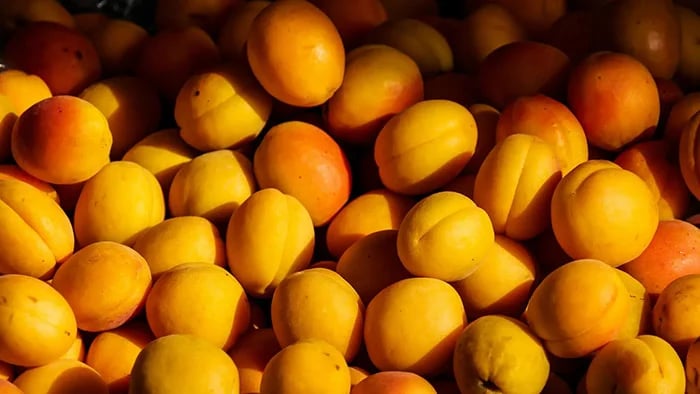
Apricots contain antioxidants and nutrients that support skin care, healthy vision, and overall wellness, while making refreshing seasonal snacks and desserts.
Fresh Vegetables
Fresh vegetables like pumpkin, spinach, carrots, and bell peppers help increase intake of vitamin A-rich foods during summer meals.
Conclusion
Make the most of the summer season without missing out on health! Now that you know that there are different vegetables and fruits you can enjoy during the summer season, they can give you the boost of Vitamin A you are looking for with a flavor explosion. Feel free to try out the delicacies. Other vegetables and fruits contain Vitamin A, too.
Vitamin A not only helps to improve your vision but also helps with your glowing skin. Make sure to include Vitamin A in your diet regularly without missing it.
Frequently Asked Questions
Which foods are highest in vitamin A?

Liver, carrots, pumpkin, spinach, sweet potatoes, eggs, and dairy products are some of the best vitamin A-rich foods for health.
What fruits are rich in vitamin A?
Mangoes, papaya, cantaloupe, apricots, and watermelon are nutritious, vitamin A-rich fruits supporting eye care and healthy skin.
How can I improve my eye health through diet?
Adding foods for eye health, like leafy greens, carrots, fruits, fish, eggs, and dairy products can support healthy eyesight and nutrition.
Is vitamin A important for kids?
Yes, vitamin A for children supports growth, stronger immunity, healthy skin, and proper vision development during the important growing years.
What are the signs of low vitamin A?
Common signs include dry eyes, poor night vision, weak immunity, and skin dryness caused by low intake of vitamin A foods.
Smriti is a content writer who creates clear, practical, and informative content backed by science and relevant data. With a strong understanding of structured writing, she breaks down complex topics into simple, actionable insights. Her work is focused on helping readers prepare, learn, and grow with confidence and clarity.
The views expressed are that of the expert alone.
Popular Topics