




 Parenting Guide


 Child Health & Growth


 Learning & Skills Development


 Food & Nutrition


 Bournvita





Introduction
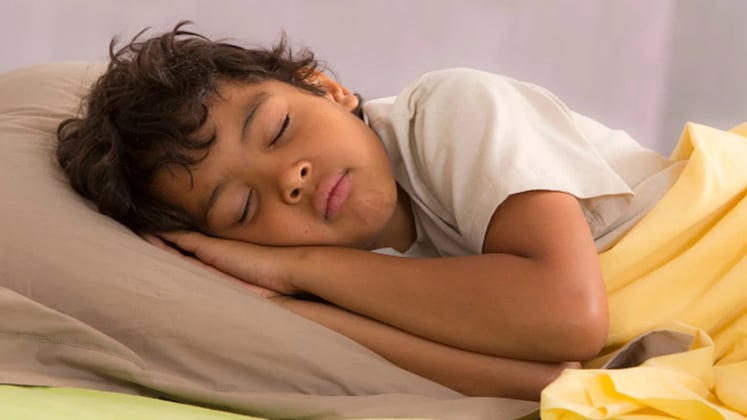
Sleep has been the best friend of humanity for ages. After all, it is the only brief respite from life after a hard day’s work. Though your children may not share these sentiments yet, they must inculcate healthy bedtime habits and a good sleeping schedule. Since sleep not only rejuvenates our mind, body, and soul but also aids in various bodily functions and repairs, your children must have adequate amounts of it in life.
Excessive or too little sleep can give rise to a variety of health issues in kids that may soon invite diseases. And when your children cannot sleep, neither can you. Instead of letting bedtime become a war zone, it is ideal to stick to a healthy sleeping schedule daily. But how to maintain a healthy bedtime in younger kids who have just gotten used to sleeping soundly at night? Here are some top tips for maintaining the same and developing good bedtime habits in your kids.
Why a Healthy Bedtime Routine Matters for Kids
Importance of sleep hygiene for children
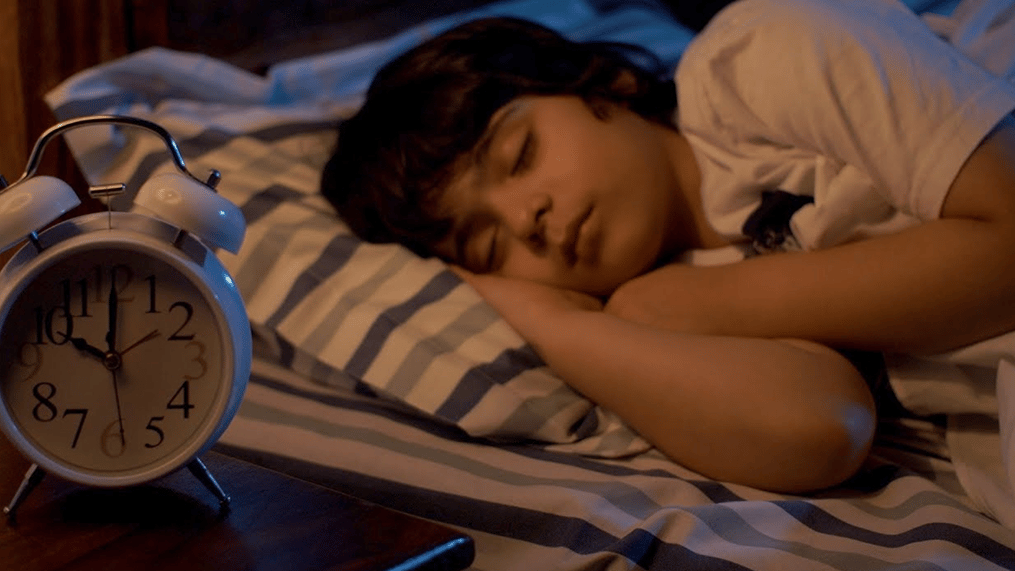
Sleep hygiene in children encompasses all behavioral, environmental, and scheduling factors that impact sleep quality on a regular basis. More than any single isolated intervention, small daily habits add up to dramatically better sleep outcomes.
Impact of poor sleep on behaviour, focus, and health
Parents often mistake the hyperactivity, irritability, and poor concentration of a sleep-deprived child for temperament. Too little sleep at night will cause measurable declines in immune function, secretion of growth hormone and emotional regulation. Behavioral corrective measures do not work for problems that arise from physiological sleep deprivation.
Role of consistent routines in better sleep
A regular sleep routine helps the nervous system to learn that it is time to start preparing for sleep when it hears familiar cues. Consistent routines help condition the body to relax each night before it’s time for bed, so the body begins winding down. This biological preparation greatly increases the efficiency of sleep onset on successive nights.
How Much Sleep Do Younger Kids Really Need?
According to the National Institute of Nutrition India and Indian Academy of Pediatrics, recommended sleep durations are:
| Age Group | Recommended Sleep |
| Toddlers (1 to 3 years) | 11 to 14 hours |
| Preschoolers (3 to 5 years) | 10 to 13 hours |
| School-Age (6 to 12 years) | 9 to 11 hours |
Missing these targets by as little as 60 minutes a day results in measurable deficits in cognitive and emotional functioning. Healthy sleep habits that consistently meet these requirements promote growth, immunity, and brain development that children’s development demands.
Signs Your Child Has Poor Sleep Habits

Difficulty falling asleep
When a child takes more than twenty to thirty minutes on a regular basis to fall asleep, he is said to have difficulty falling asleep. Consistent routines, evening screen exposure, and anxiety are common underlying causes. This particular sign must be assessed behaviorally before any medical intervention.
Frequent night waking
After the age of 2, children who wake more than once nightly have sleep-maintenance difficulties that warrant investigation. The most frequently identified modifiable contributing factor is conditioned parental dependence at sleep onset. If children can't self-settle at bedtime, then they can't self-settle after natural overnight wakings either.
Irritability and mood swings
Irritability during the day is often a symptom of sleep deprivation, not temperamental problems. Sleep deprivation specifically and neurologically impairs the prefrontal cortex's capacity for emotional regulation. Systematically correcting sleep habits often completely normalizes this mood pattern.
Trouble concentrating during the day
Poor overnight sleep is often a source of academic underperformance and inattentiveness in the classroom. There are measurable effects of shorter sleep on working memory, processing speed, and sustained attention. These cognitive symptoms frequently resolve completely when sleep duration is maintained within age-appropriate targets.
Resistance at bedtime
The most common cause of bedtime resistance is an inappropriately late target bedtime that falls outside the child’s natural sleep window. An inconsistent routine does not establish predictable sleep cues and results in the same pattern of resistance through different mechanisms. Timing and consistency are more reliable for resolving resistance than behavioral enforcement strategies alone.
Top Tips to Maintain a Healthy Bedtime Routine for Kids
1. Set a Consistent Sleep Schedule
Maintaining a consistent sleep schedule, both in terms of when kids go to bed and when they wake up, every single day of the week, helps to keep your circadian rhythm steady. Measurable social jet lag effects are observed when timing varies across nights by more than 30 minutes. The greatest structural change parents of children with sleep problems can make is to use a fixed schedule.
2. Create a Calming Night Routine
Conditioned relaxation occurs with a consistent nightly sequence of bath, pajamas, story, and lights-out. Relaxation is surely a part of it, but the physiological effect of warm bathing is the drop in core temperature that promotes drowsiness. The order of the calming bedtime ritual should be the same each night to get the maximum conditioning effect over weeks.
3. Limit Screen Time Before Bed
Devices emit blue light, which suppresses melatonin production for up to 90 minutes beyond the natural sleep-drive timeline. Sleep hygiene is about consistently removing screens at least sixty minutes before the target sleep time. This one change offers the quickest improvement in sleep onset of any available environmental change.
4. Design a Sleep-Friendly Environment
Research has identified optimal conditions for children’s sleep quality, such as a cool, dark, quiet bedroom. Blackout curtains kill the early morning light that suppresses melatonin and causes early waking. Room temperature in the range of 18 to 22°C is consistent with physiological sleep-staging needs documented across pediatric research populations.
5. Encourage Relaxing Activities Before Bed
To fall asleep, it is necessary to keep arousal levels low, and activities such as reading, drawing, or gentle stretching before bed help do this. These activities are a productive alternative to screen entertainment but still allow melatonin to build during the screen-free window. Children who participate in a calm activity before sleep have been shown to have better sleep onset efficiency.
6. Maintain a Fixed Wake-Up Time
A regular wake-up time is just as important as a regular bedtime to establish a stable circadian rhythm. Kids who stay up late on weekends disrupt the alignment of their biological clocks, which they need on Monday mornings to function well. Even after a bad night's sleep, pressure builds, leading to an easier onset the next night, and a constant wake time holds.
7. Manage Daytime Naps Carefully
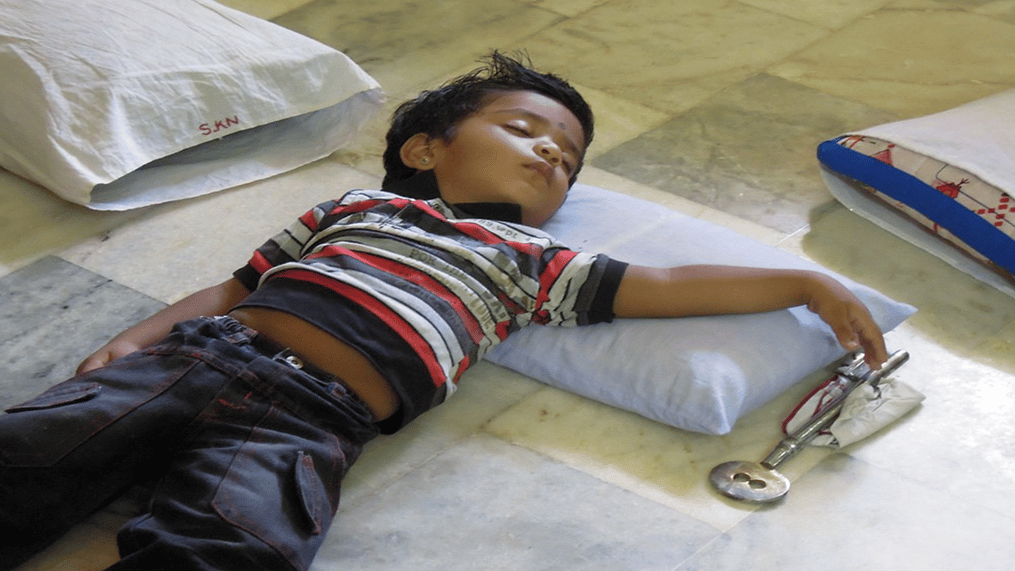
Naps taken after 3 pm or longer than ninety minutes will reduce the evening sleep pressure that drives bedtime compliance. Cutting out naps before a child is developmentally ready leads to overtiredness that paradoxically worsens bedtime resistance. Managing naps requires careful monitoring of the individual child’s sleep pressure and developmental stage.
8. Address Night-Time Fears and Anxiety
Night-time fears require emotional validation and consistent graduated support to restore the child to independent sleep. Fear avoidance increases distress and large-scale accommodation fosters dependence, which in turn increases the frequency of night waking over time. Brief calm validation and consistent return to sleep support are the best outcomes for children experiencing real bedtime anxiety.
9. Introduce Simple Mindfulness or Breathing
Three belly breaths as part of the nightly calming bedtime routine produce a measurable physiological calming within minutes. This brief practice activates the parasympathetic nervous system via the vagal pathway that diaphragmatic breathing directly stimulates. Children who practice this regularly fall asleep faster over four to six weeks of nightly implementation.
10. Avoid Heavy Meals and Sugar Before Bed
Heavy foods and sugar-laden meals eaten within ninety minutes of bedtime increase core body temperature through the digestive thermal effect. This physiological warming is in direct contradiction to the cooling of core temperature that sleep onset specifically requires of the body. Light, familiar snacks taken at least ninety minutes before bedtime completely avoid this physiological sleep disruption mechanism.
Sample Bedtime Routine for Younger Kids
This toddler bedtime routine extensively discusses physiological preparation, behavioral calming, and environmental transition. Each element has a defined sleep preparation function, not just killing time before lights-out. Regular nightly implementation results in measurable improved sleep onset efficiency in 2-3 weeks.
| Time | Activity |
| 7:30 PM | Light dinner |
| 8:00 PM | Warm bath |
| 8:15 PM | Pajamas and teeth brushing |
| 8:25 PM | Storytime |
| 8:40 PM | Three belly breaths together |
| 8:45 PM | Lights off |
Common Bedtime Mistakes Parents Should Avoid
Inconsistent sleep timings
Going to bed every night more than half an hour away means it does get in sync with kids' circadian rhythms and they biologically fall asleep easily. If the schedule is different there is an unpredictability that has to be negotiated and fought for every single night. Regular timing removes this.
Allowing screens close to bedtime
Even 15 minutes of screen time in the last hour of sleep can significantly delay melatonin production through blue light mechanisms. Think of the sixty-minute screen-free rule as a non-negotiable boundary each night, not a preference kids might aim for.
Overstimulating activities at night
The last hour of sleep is sustained by rough play, exciting media, and intense family discussions, which keep the sympathetic arousal alive that bedtime preparation tries to resolve. Any activities that directly oppose the physiological wind-down process are counterproductive to the entire routine, irrespective of the other components.
Ignoring sleep cues (yawning, irritability)
Yawning, rubbing eyes, and becoming quiet are signs that the child is entering their natural sleep window and that bedtime should happen right away. Missing this biological window by thirty to sixty minutes results in the hyperarousal-driven overtiredness that makes sleep onset significantly more difficult afterward.
Letting kids depend on parents to fall asleep
A child who needs his parents to be there in order to fall asleep will always need the same conditions after each natural waking in the night. The single most important healthy sleep habit to eliminate the night-waking patterns that parental dependence systematically creates and perpetuates over months of accumulated reinforcement is independent sleep onset.
Tips to Fix Sleep Problems in Kids
Gradual bedtime adjustments
Shifting bedtime earlier 15 minutes every three days gives the circadian system time to adjust without the extended time awake associated with a sudden change. Slow changes respect the time it takes for the biological clock to adjust, rather than demanding an immediate circadian reset.
Creating predictable patterns
In the consistent behavioral sequences, repetition slowly builds a Pavlovian association, night after night, that establishes the conditioned relaxation response. Predictability itself produces the calming that routine content adds through its conditioned familiarity.
Using positive reinforcement
Specific recognition of routine success develops the intrinsic motivation that keeps kids actively engaged week after week. Sticker charts, specific praise, and small rewards for milestones all work well to support new behavioral expectations while they are being developed.
Seeking expert help if issues persist
If sleep problems persist beyond four to six weeks of consistent implementation, they should be evaluated by a pediatrician for underlying clinical contributors. Snoring, breathing pauses, extreme daytime sleepiness, and ongoing nighttime fears should be evaluated by a professional rather than addressed at home.
Conclusion
Consistent sleep hygiene provides the basic physiological support absolutely necessary for healthy childhood development across all domains. Making small investments in a nightly routine adds up to improvements in sleep quality that, in turn, change children’s daytime functioning, emotional well-being, and academic performance. Of all the parenting investments that can be made within the same daily time budget, a consistent, structured bedtime routine delivers developmental returns that far outstrip any other.
Frequently Asked Questions
What is the best bedtime routine for children?

The best bedtime routine is a bath, a quiet activity, a short breathing practice, and lights-off at the same time each night. The sequence of the activities is as important as the activities themselves in their conditioning function.
How do I fix my child’s sleep schedule?
The most robust way to reset your circadian clock is to shift your bedtime back 15 minutes every three days while maintaining a consistent wake time. This gradual method accounts for the biological clock's adaptation time during the correction phase.
Why is my child not sleeping at night?
The most frequent causes are irregular sleep timing, evening screen use, bedtime anxiety, poor sleep environment, and conditioned reliance on parents to fall asleep. A series of changes at once is less reliable than behavioral observation to identify the main factor as a precursor to effective intervention.
How long should a bedtime routine be?
The bedtime routine should take twenty to forty-five minutes to accomplish its goals of physiologic and psychologic preparation. Longer routines may often demonstrate the progressive elaboration that anxious or resistant children slowly negotiate into longer delay sequences over weeks of accommodation.
What are healthy sleep habits for kids?
Healthy sleep habits include consistent bedtime and wake time, 60 minutes of screen-free wind-down, a cool, dark, quiet sleep environment, age-appropriate total sleep duration, managed daytime napping, and a predictable nightly behavioral sequence.
Kaushiki Gangully is a content writing specialist with a passion for children's nutrition, education, and well-being. With more than five years of writing experience and a science-based background, she provides nuanced insights to help families raise happy, healthy kids. Kaushiki believes in making learning and healthy eating fun, empowering parents with practical, easy advice.
The views expressed are that of the expert alone.
Popular Topics