



 Parenting Guide


 Child Health & Growth


 Learning & Skills Development


 Food & Nutrition


 Bournvita





Introduction
Kids need nutrition-focused meals as they grow up. One cannot ignore the need for vitamins and minerals in their child's food. Vitamin D, though majorly obtained from sunlight exposure, remains one of the most essential vitamins in a child's growing body, supporting immunity and bone strength. Sunlight is the best way to get vitamin D, an important nutrient required for the proper growth of the body and a healthy immune system in kids. But kids nowadays tend to spend their time indoors, not getting as much vitamin D as their body demands. This can be balanced by adding foods-based snacks that are rich in vitamin D in your kid’s diet. Some creative food-based snacks can ensure that your child gets the vitamin D their growing body needs.
What Are Vitamin D Rich Foods?
Vitamin D-rich foods are foods that naturally contain vitamin D or are fortified with it. They help children meet their daily needs and support calcium absorption, bone development, muscle function, and overall growth. Natural sources include fatty fish, egg yolks and some mushrooms, while fortified milk and cereals can also contribute.
Why Is Vitamin D Important for Kids?
Vitamin D helps the body absorb calcium and phosphorus, which are essential for building and maintaining strong bones and teeth. Adequate vitamin D is particularly important during childhood because bones are growing rapidly. It also contributes to normal muscle and immune function.
Top Vitamin D Rich Foods for Kids
| Food | Key Benefit |
| Eggs | Small amounts of vitamin D. |
| Fortified Milk | Convenient source of vitamin D and calcium. |
| Yogurt | Choose varieties fortified with vitamin D. |
| Cheese | Vitamin D, depending on the product. |
| Mushrooms | UV-exposed mushrooms can provide vitamin D. |
| Fatty Fish | Salmon, tuna and mackerel are among the best natural sources. |
Note: Vitamin D content varies by product and preparation, so check food labels where applicable.
Vitamin D Food-Based Snack Ideas for Kids
Here are 7 food-based snack ideas for kids to make sure they are getting proper vitamin D in their diet. Vitamin D is necessary for proper health and development, immune function, and more.
Strawberry Granola Yogurt Bark
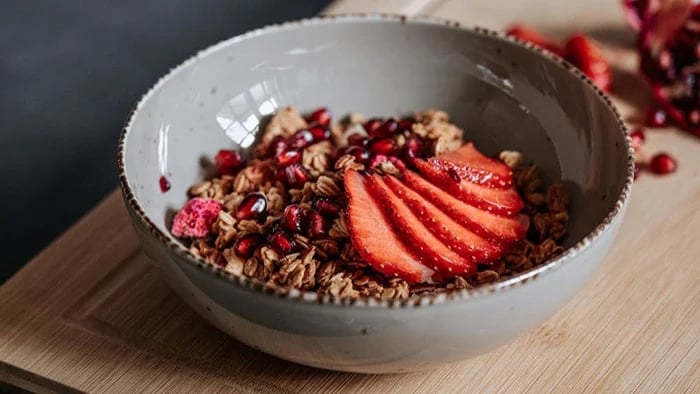
Strawberry yogurt bark is a colourful, frozen snack that can provide vitamin D when made with vitamin D-fortified yogurt. It provides protein and calcium, while fortified yogurt can contribute vitamin D to a child's diet.
Popcorn

Popcorn is a whole-grain snack, but it is not naturally rich in vitamin D; vitamin D comes from ingredients such as fortified additions. Popcorn provides whole grains and fibre, while cheese may add small amounts of vitamin D and calcium.
Trail Mix
Homemade trail mix is an easy, cuztomisable snack that can include vitamin D-fortified cereal alongside nuts, seeds and dried fruit. This trail mix provides a combination of whole grains, healthy fats, fibre and protein, while fortified cereal can contribute vitamin D.
Pears With Ricotta Cheese
Sliced pears with ricotta make a simple sweet-and-creamy snack that combines fruit with protein-rich dairy. Pear provides fibre, while ricotta contributes protein and calcium; vitamin D depends on whether the dairy product is fortified.
Banana Oats Cookie

Banana oat cookies are simple homemade snacks that use ripe anana for natural sweetness instead of relying heavily on added sugar. Oats provide fibre and banana contributes carbohydrates and potassium, but these cookies are not naturally rich in vitamin D.
Vitamin D-Rich Smoothie
A smoothie can become a useful vitamin D snack when it includes fortified milk or yogurt rather than relying only on fruits and vegetables. Fortified milk and yogurt can provide vitamin D, while fruits add flavour and other nutrients.
Celery With Peanut Butter and Raisins
Celery with peanut butter and raisins is a crunchy, easy snack that combines vegetables, healthy fats and natural sweetness.Peanut butter provides protein and healthy fats, but this snack is not a significant source of vitamin D unless a fortified ingredient is used.
How to Increase Vitamin D Naturally in Children
Offer vitamin D-rich or fortified foods regularly and include safe outdoor activity, while considering your child's age, skin protection, diet, and individual needs.
Safe Sunlight Exposure
Short periods of outdoor activity can help the body produce vitamin D, but sun exposure should be safe and should not cause sunburn; dietary sources may still be needed.
Pro Tips to Prepare Snacks With Vitamin-D-Rich Foods
- Choose milk, yogurt, cereals and plant-based alternatives fortified with vitamin D.
- Combine vitamin D-rich foods with fruits, whole grains, nuts or seeds.
- Serve age-appropriate portions and avoid excessive sugar, salt and oil.
- Rotate fortified dairy, eggs, mushrooms and fatty fish across meals and snacks.
- Use colorful ingredients, simple recipes and fun shapes to encourage children to try them.
Daily Vitamin D Requirements for Kids
| Age | Recommended Vitamin D |
| Birth–12 months | 400 IU (10 mcg) |
| 1–13 years | 600 IU (15 mcg) |
| 14–18 years | 600 IU (15 mcg) |
Final Thoughts
Vitamin D is essential for a child's health and growth. Since kids today spend less time outdoors getting natural vitamin D from sunlight, adding vitamin D-rich foods into snacks is an effective way to meet their nutrient needs. With creativity and intention, parents can ensure their children get enough vitamin D through healthy, homemade snacks that nourish their growing bodies.
Frequently Asked Questions
When should a child take a vitamin D supplement instead of just food?

A child may need a vitamin D supplement if they get little sunlight, follow a strict vegetarian diet, or have low vitamin levels. A doctor should confirm the need through regular health check-ups before starting supplements.
Can kids get enough vitamin D from food alone?
It’s difficult for kids to get enough vitamin D from food alone because few foods naturally contain it. Fortified milk, juices, and cereals help, but some children may still need sunlight or supplements for proper growth and bone strength.
How much vitamin D does a child need each day?
Most children need about 400 to 600 IU of vitamin D daily, depending on age and health. This amount supports bone growth and immunity. Balanced food, sunlight, and occasional supplements help maintain healthy vitamin D levels in children.
Which foods are naturally rich in vitamin D?
Fatty fish, egg yolks, cheese and UV-exposed mushrooms are natural sources of vitamin D.
Which fruit contains vitamin D?
No commonly eaten fruit provides significant vitamin D; fortified foods and animal sources are better options.
What are the signs of vitamin D deficiency in children?
The vitamin D deficiency signs may include weak bones, delayed growth and bowed legs in severe cases.
Can kids get enough vitamin D from food alone?
Some children can meet their needs through varied diets, while others may require supplements on medical advice.
What is the best vitamin D-rich snack for children?
A smoothie made with vitamin D-fortified milk and yogurt can provide an easy vitamin D-rich snack.
Her love for storytelling began with reading her grandfather’s speeches, where Tarishi saw the power of words in creating lasting memories. Combining her passions for food and writing, she has turned her life into a fulfilling path of sharing stories that celebrate flavours and how food brings communities together.
The views expressed are that of the expert alone.