




 Parenting Guide


 Child Health & Growth


 Learning & Skills Development


 Food & Nutrition


 Bournvita





Introduction
Children may find it difficult to engage in regular physical activity during the winter, particularly when chilly conditions and little daylight limit outside play chances. Physical activity often declines during this period, which may affect strength, coordination, and overall fitness. Children can stay active indoors while adjusting to seasonal restrictions through indoor exercises. Children are more likely to participate voluntarily and consistently when movement is introduced in an enjoyable and captivating way.
Regular indoor exercise promotes motor skills, balance, and muscle growth—all of which are critical during the growing years. Enjoyable activities can help improve mood, boost energy, and reduce restlessness that may arise from prolonged indoor time.
Fun-focused indoor workouts provide parents a useful way to strike a balance between enjoyment and physical fitness. Winter fitness regimens are easier to stick to and more effective at promoting long-term healthy movement habits when kids connect exercise with play rather than with responsibility.
5 Fun Indoor Exercises For Children That Make Winter Fitness Exciting As Well As Creative
1. Animal Movement Circuits
Animal movement exercises blend play and functional fitness, making them ideal indoor activities during the winter. Bear crawls, frog jumps, crab walks, and penguin waddles all work several muscles at the same time. These actions increase upper- and lower-body strength while also promoting coordination and balance. According to research, multi-directional motions help children develop their motor skills and neuromuscular control. Animal motions are particularly beneficial indoors because they require little room and no equipment. Parents can set up brief circuits in which children alternate between different movements, allowing for a break between rounds. This structure reduces fatigue while maintaining engagement. In winter, when energy output is limited, animal-based workouts help manage restlessness and improve posture by engaging the core muscles.
2. Dance-Based Fitness Sessions

Indoor dancing sessions combine aerobic workout, coordination training, and emotional expression. Dancing promotes continual activity, which benefits heart health and stamina while also enhancing rhythm and balance. Dance-based activities improve motor coordination and help youngsters maintain physical fitness in a non-competitive setting. Dance workouts are especially beneficial in winter because they keep children active and warm. Parents can plan sessions around brief routines or free-form dance to music, providing for flexibility dependent on energy levels. Dance also improves posture and joint mobility, which might suffer during periods of low outdoor exercise.
3. Indoor Obstacle Courses

Indoor obstacle courses convert residential spaces into structured movement zones that test strength, agility, and problem-solving abilities. Parents can use cushions, chairs, mats, and tape markers to build safe pathways that demand stepping, crawling, balancing, and jumping. According to research, obstacle-based exercises help children improve their coordination, spatial awareness, and muscle control. These activities are especially successful in the cold since they provide high involvement within a small space. Obstacle courses promote short bursts of activity followed by recovery, which aligns with children's natural activity patterns.
4. Yoga And Stretch-Based Movements
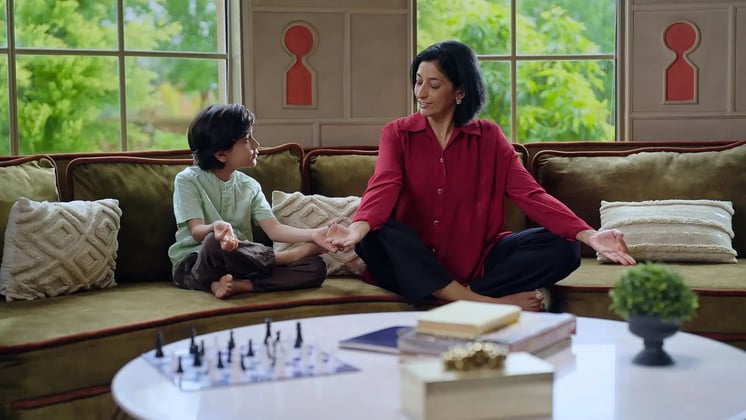
Yoga-based indoor activities promote flexibility, balance, and controlled strength, making them excellent for winter workouts. Slow, deliberate motions help to minimize joint stiffness and improve posture, particularly during the colder months when muscles tense. Yoga helps young people develop physical endurance and body awareness without placing undue strain on them. Indoor yoga sessions help youngsters regulate their breathing and movement, promoting emotional calm and focus. Parents can guide sessions with easy positions that stress stability and stretch over time. This type of exercise is especially beneficial during cold evenings when energy levels may be low. Regular practice increases joint mobility and lowers the chance of injury when youngsters resume outside activities. Yoga gradually improves functional strength and flexibility while fostering conscious movement. Its low-impact nature makes it appropriate for indoor settings and a wide range of fitness levels.
5. Fitness Games With Bodyweight Movements
Squats, jumping jacks, wall push-ups, and balance holds are used in fitness games to improve structured strength in a fun way. Turning exercises into games increases engagement while improving muscle endurance and coordination. Bodyweight training is a safe and effective strategy for children when supervised and focused on technique. Indoor workout games are well-suited to winter because they require no equipment and can be adapted to limited spaces. To keep children engaged without emphasizing competition, parents can use timed challenges or point-based systems.
Conclusion

During the winter, when outdoor activities are scarce, children can keep active and motivated by engaging in enjoyable indoor workouts. These exercises build strength, coordination, and overall fitness while fostering consistency by combining movement with fun. Well-thought-out indoor routines help kids maintain good activity habits year-round and make winter fitness fun. According to physical activity research, children who participate in regular indoor movement during colder months are more likely to sustain overall fitness and transition smoothly back to outdoor activities when seasons change.
Smriti is a content writer who creates clear, practical, and informative content backed by science and relevant data. With a strong understanding of structured writing, she breaks down complex topics into simple, actionable insights. Her work is focused on helping readers prepare, learn, and grow with confidence and clarity.
The views expressed are that of the expert alone.
Popular Topics