




 Parenting Guide


 Child Health & Growth


 Learning & Skills Development


 Food & Nutrition


 Bournvita






Introduction
Children tend to move less as winter progresses. Daily physical activity can be significantly reduced by cold temperatures, shorter daylight hours, and limited outdoor access. During this time of year, youngsters can maintain their strength, mobility, and overall fitness without relying on outdoor conditions by working out at home. Structured indoor exercise is particularly crucial during the winter months, as prolonged inactivity can cause developing muscles and joints to lose conditioning.
Strength-building exercises promote posture, coordination, and joint stability from a physical growth perspective. These advantages are crucial when kids spend more time sitting down indoors for hobbies, homework, or screen time. With planned at-home workouts, parents can guarantee that their children's activities are consistent, age-appropriate, and safe. A routine method helps sustain consistent muscle engagement and avoids extended periods of inactivity, unlike unstructured activity.
Home workouts in winter don't require large spaces or bulky equipment. Regular practice of bodyweight exercises, balance-based motions, and basic strength drills can successfully support muscular development. More significantly, maintaining indoor exercise regimens helps children maintain regular fitness routines during the winter months. These practices boost energy, build physical strength, and facilitate a return to outdoor activities after winter.
Guide To Plan Home Workouts For Kids In Winter To Build Strength
1. Start With A Clear Goal

When planning winter workouts for kids at home, it's important to know what "strength" means for growing bodies. Strength training for kids is more about coordinating their muscles, keeping their joints stable, supporting their posture, and moving in ways that work for them than it is about making their muscles bigger. If your kids don't move around a lot in the winter, these areas can get weaker. Having a clear goal helps parents select exercises that target balance, core control, and overall muscle engagement. This method prevents overtraining or training without purpose, which can cause fatigue or injury. Studies show that structured strength training can help children move better and reduce injury risk when performed correctly. Parents should view strength training as a means to support their child's physical development, not to improve performance. Clear goals help ensure workouts are safe, effective, and aligned with a child's developmental needs during the colder months.
2. Pick Bodyweight Exercises That Can Be Done Indoors
When your kids work out at home in the winter, it's best to choose exercises that can be done in a small space. Children can build strength without equipment by doing bodyweight exercises like squats, wall push-ups, lunges, step-backs, and plank variations. These exercises help your children control their joints and build muscle endurance while reducing the risk of injury. Bodyweight strength training works for kids when they are watched, and the focus is on technique. Parents should focus on exercises that target multiple muscle groups at once, as they help maintain overall balance. Movements that can be done indoors also mean you don't have to move furniture or use special tools, making it easier to stick to your daily routines. When workouts feel doable at home, especially during the winter when there are fewer options, consistency goes up.
3. Plan Sessions Based On Energy

With less sunlight and changes to their routines, winter can change how much energy kids have. Instead of forcing long or hard workouts, plan them around times when your energy is naturally high. Studies show that moderate-length strength-training sessions help kids stay consistent and reduce fatigue. Parents should schedule workouts for their kids when they are mentally alert and physically ready, such as in the late afternoon. There should be warm-up exercises, strength exercises, and short breaks to recover during sessions. A format that is both structured and flexible keeps kids interested without making them feel overwhelmed. This method helps your kids get stronger while keeping them emotionally comfortable.
4. Put More Weight On Proper Form Than On Repetition
When planning winter workouts for kids at home, it's very important to teach them the right way to move. Performing strength exercises with poor form can put stress on your joints and reduce their effectiveness. Supervised, form-focused training leads to better results and a lower risk of injury. Instead of counting repetitions or rushing through exercises, parents should encourage their kids to move slowly and carefully. Performing movements slowly and correctly builds muscle more effectively and helps your children become more aware of their bodies. This focus also boosts kids' confidence because they feel capable instead of stressed. Winter is a great time to work on technique because you can keep a closer eye on your workouts indoors with your kids. Putting form first makes sure that strength gains are safe, long-lasting, and appropriate for your age.
5. Go Over The Routine
Kids' strength levels change quickly, so it's important to review their workouts regularly in the winter. Doing the same exercises repeatedly without making progress can bore your child. The idea of slowly moving up in difficulty, length, or variety. Before making any changes, parents should look for signs that their child is improving at self-control, lasting longer, or feeling better. Progression should always be suitable for the person's age and comfortable. Slowly changing winter routines helps keep people motivated and reduces dropouts.
Conclusion
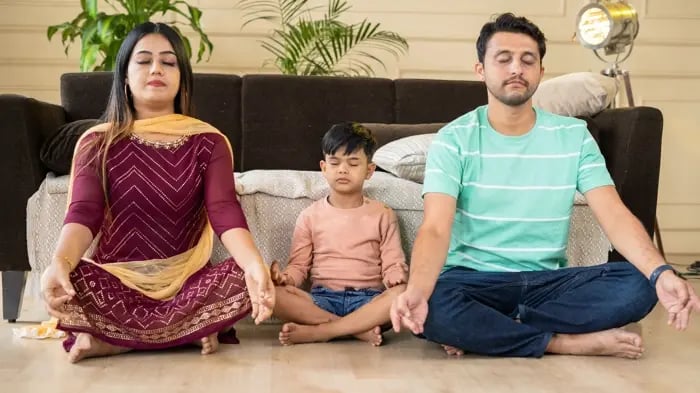
Thoughtfully planned home workouts during winter help children maintain strength, mobility, and physical confidence despite limited outdoor activity. With age-appropriate structure, safe movements, and gradual progression, indoor routines support healthy muscle development and encourage consistent fitness habits that benefit children well beyond the winter season.
Smriti is a content writer who creates clear, practical, and informative content backed by science and relevant data. With a strong understanding of structured writing, she breaks down complex topics into simple, actionable insights. Her work is focused on helping readers prepare, learn, and grow with confidence and clarity.
The views expressed are that of the expert alone.
Popular Topics