




 Parenting Guide


 Child Health & Growth


 Learning & Skills Development


 Food & Nutrition


 Bournvita





Introduction
Teenage years are a phase where learning goes beyond textbooks and exams. Skills like communication, decision-making, creativity, and teamwork start shaping how kids handle school, friendships, and future responsibilities. Play-based learning offers a practical way to support this growth by turning everyday activities into meaningful learning moments. Instead of structured lessons alone, kids learn better when curiosity and participation are involved.
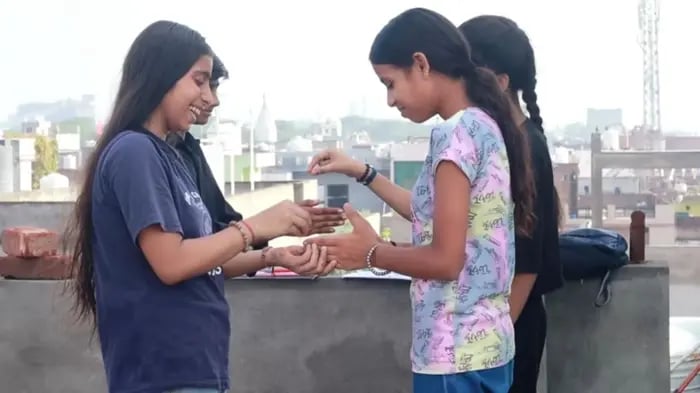
Play-based learning helps teens stay engaged because it connects thinking with action. Games, role-play, and problem-solving activities encourage kids to experiment, make choices, and learn from outcomes. Research shows that active learning methods improve memory retention and critical thinking more effectively than passive study routines. This approach allows kids to understand concepts deeply rather than memorising information for short periods.
Another benefit of play-based learning is emotional development. Teens often feel academic pressure, and playful learning environments reduce stress while improving confidence. Activities that involve collaboration help kids learn how to listen, express ideas, and work through challenges with others. These experiences slowly build leadership and social skills that are useful both inside and outside the classroom.
Parents often notice that kids show more interest in learning when activities feel enjoyable rather than forced. Simple play-based learning techniques can fit easily into daily routines, school projects, or weekend activities. By encouraging learning through play, kids gain skills that support academic progress, emotional balance, and independent thinking, making learning a natural part of everyday life rather than a task to be completed.
5 Skill-Building Play Methods That Support Teen Growth
Teen years are a crucial phase for building skills that go beyond academics. Along with school subjects, kids also need strong thinking ability, communication skills, emotional control, and decision-making confidence. Play-based learning supports this growth by turning everyday activities into meaningful learning experiences. Instead of depending only on textbooks, kids learn better when movement, curiosity, and interaction are involved. Activities that include strategy, creativity, and collaboration also strengthen social understanding and emotional balance. These play-based learning techniques help teens prepare for real-life situations while keeping curiosity and interest alive.
Role-Play and Real-Life Scenarios
Role-play activities allow kids to step into different situations and think from multiple perspectives. Acting out real-life scenarios, such as managing money, resolving conflicts, or planning events, helps teens practice communication and decision-making skills. This form of play-based learning improves emotional awareness and confidence because kids learn how actions lead to outcomes. According to UNICEF, simple activities like mock interviews, debate-style discussions, or problem-solving skits can be done at home or school. These exercises also support language development and critical thinking without making learning feel forced.
Strategy Games and Board Games
Board games and strategy-based games help kids develop planning, patience, and logical thinking. Games like chess, ludo, Scrabble, or card-based number games strengthen memory and concentration. Play-based learning through strategy games teaches teens how to follow rules, handle wins and losses, and think ahead. Research published in J Educ Health Promot. 2025, shows that these skills are useful in academics and everyday decision-making. Playing together also improves social bonding and communication.
Creative Projects and DIY Challenges
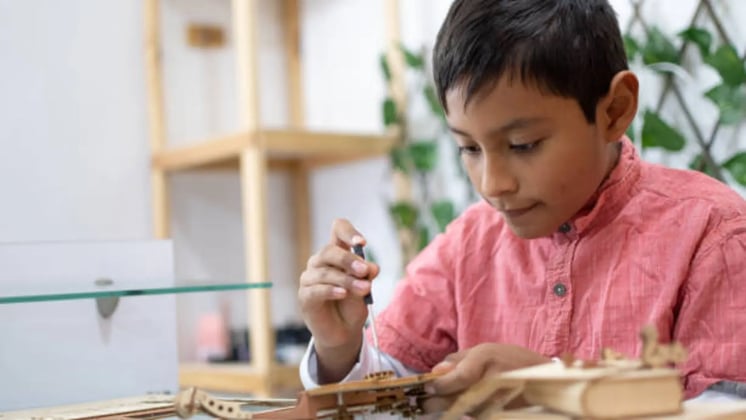
Creative tasks such as building models, designing posters, or completing DIY challenges support imagination and problem-solving skills. Kids learn to plan steps, manage time, and think creatively. Research conducted by UNICEF, play-based learning through hands-on projects improves focus because teens stay engaged in completing a goal. Activities like science models, craft challenges, or theme-based projects also strengthen fine motor skills and teamwork when done in groups. These activities help kids express ideas freely while learning responsibility and execution.
Learning Through Movement and Physical Games
Physical play supports brain development along with physical health. Games that involve coordination, memory, and rules, such as obstacle courses, relay games, or memory-based movement tasks, improve attention and body awareness. Play based learning through movement helps kids stay alert and reduces restlessness. Studies show that physical activity improves concentration and learning efficiency in teens. These games can be simple and done indoors or outdoors, making them easy to include in daily routines.
Puzzle-Based and Thinking Games
Puzzles, riddles, and logic games encourage kids to analyse situations and find solutions independently. Crossword puzzles, number puzzles, Sudoku, and word games improve memory, reasoning, and vocabulary. Play-based learning through puzzles strengthens problem-solving ability and patience. According to UNICEF, these activities also help adolescents handle challenges calmly rather than feeling overwhelmed. Including puzzle time during study breaks keeps the brain active without screen overload, making learning more balanced and effective.
Conclusion
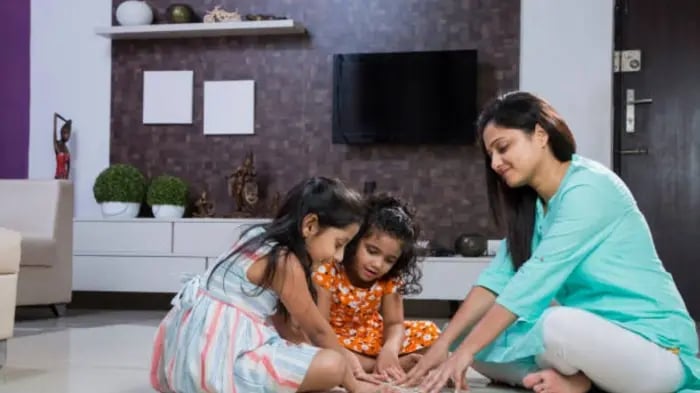
Play-based learning offers a practical and enjoyable way for kids to develop essential life skills during their teenage years. Through games, movement, creativity, and thinking challenges, teens learn how to focus better, communicate clearly, and solve problems confidently. These techniques support academic growth while also building emotional strength and independence. Small, consistent play-based activities help learning become a natural part of everyday life, preparing kids for both school and future responsibilities in a positive and balanced way.
Her love for storytelling began with reading her grandfather’s speeches, where Tarishi saw the power of words in creating lasting memories. Combining her passions for food and writing, she has turned her life into a fulfilling path of sharing stories that celebrate flavours and how food brings communities together.
The views expressed are that of the expert alone.
Popular Topics