




 Parenting Guide


 Child Health & Growth


 Learning & Skills Development


 Food & Nutrition


 Bournvita






Introduction
Children face unique health problems during the winter, particularly because of the increased risk of seasonal illnesses brought on by colder weather, less sunlight, and more time spent indoors. Children's bodies need extra nutritional assistance during this time to sustain resilience, immunity, and energy levels. Because they provide warmth, freshness, and greater control over ingredients than boxed or processed foods, homemade foods are especially vital throughout the winter.
For winter nourishment, traditional Indian home-cooked dishes are ideal. The immune system and digestion are naturally supported by a number of everyday substances, including lentils, veggies, ghee, spices, and fermented foods. The body's natural defenses are strengthened by the important nutrients included in these foods, which include protein, iron, zinc, healthy fats, and antioxidants. Additionally, warm, freshly made meals aid in digestion, which is directly related to immune function, particularly in the winter.
7 Homemade Indian Foods To Prepare During Winters To Strengthen Immunity
1. Moong Dal Khichdi
Moong dal khichdi is a nourishing winter meal that supports immunity through easy digestion and balanced nutrition. Moong dal provides plant protein, zinc, and iron, while rice supplies steady energy. When cooked with ghee and mild spices, the dish supports gut health, which plays a key role in immune defense. Its warm texture also helps maintain internal body comfort during cold weather.
2. Vegetable Shorba
A homemade vegetable shorba prepared with seasonal vegetables, garlic, ginger, and cumin supports immunity through hydration and micronutrient intake. Vegetables contribute vitamins and antioxidants, while warming spices enhance digestion and nutrient absorption. The warm liquid base helps soothe the throat and supports fluid intake, which often drops in winter. Regular consumption strengthens overall resistance to seasonal infections. For those who prefer non-vegetarian food, can opt for chicken shorba as well.
3. Shalgam Ki Sabzi
Shalgam ki sabzi is a traditional winter vegetable preparation that supports immunity and digestion. Turnips are rich in vitamin C, fiber, and antioxidants, which help strengthen the immune response during colder months. When cooked with mild Indian spices and served warm, this dish supports gut health and provides internal warmth.
4. Jaggery And Sesame Laddoos
Jaggery and sesame laddoos are winter-friendly snacks that help support immunity and energy levels. Sesame seeds provide healthy fats, iron, and calcium, while jaggery contributes trace minerals and warmth-producing energy. This combination supports circulation and helps maintain body heat during colder days. Homemade laddoos offer a nutrient-dense alternative to processed sweets.
5. Beetroot Halwa
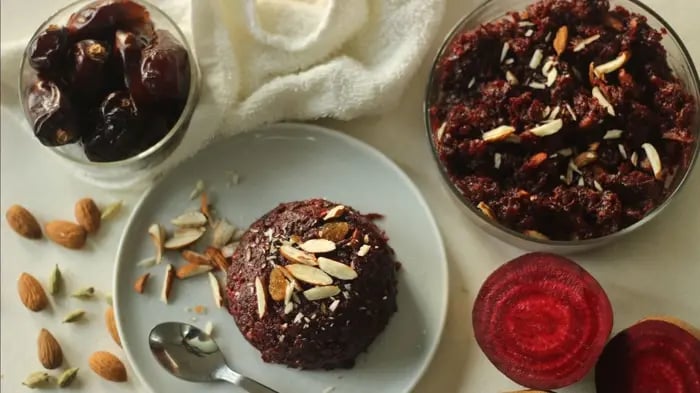
Beetroot halwa is a warm, nutrient-rich Indian dessert that supports winter health and immunity. Beetroot provides antioxidants, iron, and dietary fiber that help support blood health and overall energy levels. When prepared at home with jaggery and a small amount of ghee, this dish offers warmth and nourishment during colder months. Its sweet flavor makes it appealing to children while contributing beneficial nutrients that support strength and seasonal wellness.
6. Curd-Based Kadhi
Kadhi made with curd and besan supports gut health, which is closely linked to immune strength. Curd provides beneficial bacteria, while besan adds protein and minerals. When prepared fresh and consumed warm, kadhi supports digestion and nutrient absorption. Mild spices further enhance its warming and immunity-supportive qualities during winter.
7. Vegetable Upma
Vegetable upma prepared with semolina, vegetables, and light spices provides balanced nutrition and warmth. The dish supplies carbohydrates for energy, vegetables for vitamins, and fats for nutrient absorption. Served warm, upma supports digestion and satiety, reducing reliance on packaged foods. Regular inclusion helps maintain immunity and energy levels during cold weather.
Important Techniques For Increasing Children's Immunity

-
A diet high in vitamin C is crucial for a robust immune system because it helps produce white blood cells that protect the body from illness. Encourage your youngster to include citrus fruits such as oranges, lemons, and amla (Indian gooseberry). By incorporating these fruits into regular meals or snacks, the immune system naturally strengthens.
-
Rich in vital vitamins, minerals, and antioxidants that boost immunity, nuts and seeds are a great food choice. Nutrients like vitamin E, cashews, and walnuts, as well as healthy fats, strengthen the body's defenses.
-
Packed with vitamins, minerals, and fiber, leafy greens like spinach, kale, and fenugreek leaves support immunity and general health. Regularly consuming these foods helps strengthen your child's natural defenses be strengthened and maintain a balanced diet.
-
Balancing gut flora, probiotics, including yogurt, kefir, and fermented foods, improves the body's defenses against illnesses. Additionally, better nutrition absorption from a healthy gut indirectly increases immunity.
-
Kids need to stay hydrated even in the winter. Depending on age, aim for 6–8 glasses of water per day. Hydration acts as a natural defense against infections by keeping mucosal membranes wet and eliminating toxins. Incorporate warm liquids, such as soups and herbal teas, to keep kids hydrated and warm throughout the winter months.
Conclusion

Homemade Indian foods play a valuable role in supporting children’s immunity during winter. Warm, freshly prepared meals made with seasonal ingredients help maintain digestion, energy levels, and overall resistance to illness. Traditional foods such as lentils, vegetables, curd, spices, and healthy fats provide essential nutrients that strengthen immune function when the body is more vulnerable to seasonal infections.
Regular inclusion of these foods reduces dependence on packaged options while encouraging consistent nourishment. When parents focus on simple, balanced home cooking, and children receive steady immune support rather than short-term fixes. Over time, these winter-friendly foods help children stay healthier, recover faster from minor illnesses, and build strong dietary habits that support long-term wellness beyond the winter season.
Smriti is a content writer who creates clear, practical, and informative content backed by science and relevant data. With a strong understanding of structured writing, she breaks down complex topics into simple, actionable insights. Her work is focused on helping readers prepare, learn, and grow with confidence and clarity.
The views expressed are that of the expert alone.
Popular Topics