




 Parenting Guide


 Child Health & Growth


 Learning & Skills Development


 Food & Nutrition


 Bournvita





Introduction
When temperatures soar across India, nature's answer is already waiting at your local bazaar, plump mangoes, ice-cold watermelons, fragrant lychees, and other seasonal fruits that are as nutritious as they are delicious. These summer fruits in India for kids provide natural hydration, essential vitamins, minerals, and antioxidants that help children stay active and healthy during the hottest months of the year.
Introducing children to seasonal fruits for children is also a wonderful way to build food literacy. Learning where fruits are grown, how they are cultivated, and why they benefit the body helps kids develop healthier eating habits and a deeper appreciation for local produce. In this guide, you'll discover the nutritional benefits of some of the best summer fruits in India, the major cultivation states where they are grown, and simple, child-friendly ways to serve these delicious fruits at home.
7 Summer Fruits Produced in India
Fruits in summer are one of the best aspects of the season. They are juicy, sweet, and highly nourishing for one's body. Here is a look at some of the top summer fruits produced in India.
Mango — The King of Indian Summer Fruits and Its Benefits for Kids
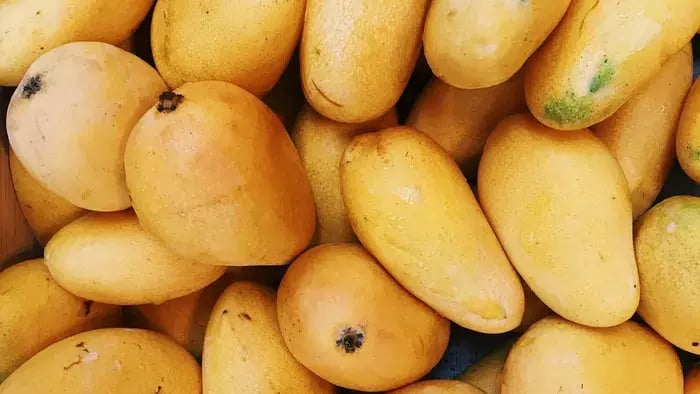
Summers in India are synonymous with mangoes. Several varieties of mangoes are grown across the country, each with its own unique flavour and texture.
Popular Indian Mango Varieties
- Alphonso — Maharashtra
- Langra — Uttar Pradesh
- Dashehari — Uttar Pradesh
- Kesar — Gujarat
- Banganapalli — Andhra Pradesh
According to a 2021 study published in Nutrients, mangoes are an excellent source of vitamins, dietary fibre, and magnesium. Mango is also one of the richest natural sources of beta-carotene, which the body converts into Vitamin A to support eye health, immunity, and healthy growth in children.
Serve chilled mango cubes as a snack, blend them into mango lassi, or freeze them into homemade popsicles for a refreshing summer treat.
Key nutrients: Vitamin A, Vitamin C, dietary fibre, magnesium
Season: April–June
Muskmelon (Kharbuja) — A Cooling and Hydrating Summer Fruit for Children
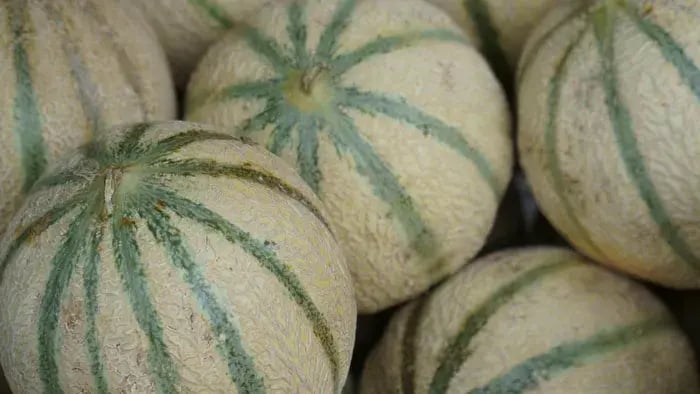
Muskmelon is a sweet and refreshing fruit widely cultivated in Uttar Pradesh, Punjab, Madhya Pradesh, and Andhra Pradesh. According to a 2019 study published in Food Science & Nutrition, muskmelon contains numerous bioactive compounds along with Vitamins A and C that support overall health.
Muskmelon is approximately 90% water, making it one of the most effective natural hydration foods for children during summer. It helps replenish fluids lost through sweating while providing essential nutrients.
Serve chilled muskmelon slices as a snack, blend into fresh juice, or add a squeeze of lime for extra flavour.
Key nutrients: Vitamin A, Vitamin C, potassium, water content
Season: April–July
Watermelon — India's Most Hydrating Summer Fruit and Why Kids Love It
Watermelon is one of India's most popular summer fruits. It is juicy, naturally sweet, and incredibly refreshing. Major watermelon-producing states include Maharashtra, Uttar Pradesh, Tamil Nadu, and Karnataka.
According to a 2020 study published in the journal Molecules, watermelon contains antimicrobial and anti-inflammatory compounds that may support overall health. Watermelon also contains lycopene, a powerful antioxidant responsible for its bright red colour. Lycopene supports heart health and may help protect skin from sun-related damage.
With over 90% water content, a single serving can significantly replenish fluids lost through outdoor play and summer activities.
Serve watermelon cubes chilled, blend them into juice with a pinch of black salt, or freeze them into watermelon popsicles.
Key nutrients: Lycopene, Vitamin A, Vitamin C, potassium, water content
Season: March–June
Papaya — A Digestive Superfruit Available Year-Round in Indian Summers
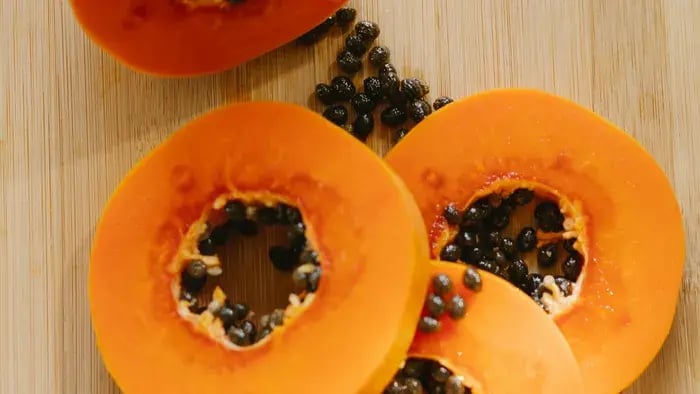
Papaya is widely available across India and is extensively cultivated in Karnataka, Andhra Pradesh, and Gujarat. According to a 2021 study published in the journal Biology, papaya supports digestion, bone health, and cardiovascular wellness.
One of papaya's most valuable compounds is papain, a digestive enzyme that helps break down proteins. This makes papaya particularly beneficial for children who experience indigestion, bloating, or constipation.
Serve ripe papaya chilled with a squeeze of lime, blend it into a smoothie with banana and milk, or add it to a fruit salad.
Key nutrients: Vitamin C, Vitamin A, folate, fibre, papain enzyme
Season: Available year-round; most abundant in summer
Plum (Aloo Bukhara) — An Antioxidant-Rich Summer Fruit from India's Hills
Also known as Aloo Bukhara, plums are cultivated mainly in Jammu & Kashmir, Himachal Pradesh, and Uttarakhand. According to a 2023 study published in the Journal of Nutritional Science, plums are rich in antioxidants and provide several health benefits.
Their deep reddish-purple colour comes from anthocyanins, powerful antioxidants associated with stronger immunity and reduced inflammation. Plums also contribute to better digestion and overall wellness.
Key nutrients: Antioxidants (anthocyanins), fibre, Vitamin C, Vitamin K
Season: May–July
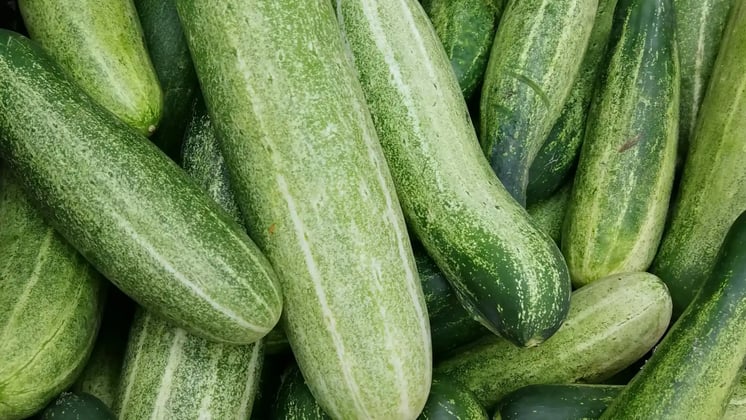
Cucumber — A Water-Rich Cooling Vegetable-Fruit Perfect for Indian Summers
While commonly used as a vegetable in Indian cooking, cucumber is botanically classified as a fruit because it develops from a flower and contains seeds. It is cultivated across Madhya Pradesh, Haryana, and West Bengal.
According to a study on the phytochemical and therapeutic potential of cucumber (Mukherjee et al., 2013), cucumber offers several nutritional benefits. It contains approximately 96% water, making it one of the most hydrating foods available during peak Indian summer.
Cucumber detox water is a refreshing option for children. Simply add cucumber slices and fresh mint leaves to chilled water for a naturally flavoured drink.
Key nutrients: Water content (96%), Vitamin K, potassium, silica
Season: Available year-round; best quality in summer
Jackfruit (Kathal) — India's Versatile Giant Fruit with Impressive Nutrition
Jackfruit, popularly known as Kathal, is widely cultivated in Bihar, Kerala, and Tamil Nadu. According to a 2019 study published in the International Journal of Food Science, jackfruit contains valuable minerals such as magnesium, calcium, potassium, and sodium.
Raw jackfruit is commonly used as a meat substitute in Indian cooking because of its texture, while ripe jackfruit is naturally sweet and enjoyed fresh or in desserts. It is considered one of India's most versatile fruits.
Interestingly, jackfruit is the national fruit of Bangladesh and the state fruit of Kerala and Tamil Nadu.
Key nutrients: Magnesium, calcium, potassium, sodium, fibre, Vitamin C
Season: March–June
Lychee (Litchi) — The Fragrant Summer Fruit Rich in Vitamin C
Lychee is one of the most loved summer fruits among children because of its sweet flavour and juicy texture. It is primarily cultivated in Bihar, West Bengal, Uttarakhand, and Assam.
According to research lychees are exceptionally rich in Vitamin C, with 100g providing close to a full day's recommended intake. They are also approximately 90% water, making them excellent hydrating fruits for summer. Their antioxidants and potassium support immunity, hydration, and overall health.
Important:Avoid giving lychees to young children on an empty stomach, especially unripe ones. Certain naturally occurring compounds in unripe lychees can contribute to low blood sugar levels in undernourished children. Always serve ripe lychees after meals.
Serve chilled, peeled lychees as a snack after meals or blend them into a refreshing summer drink.
Key nutrients: Vitamin C, potassium, folate, antioxidants, water content
Season: May–June
Jamun (Black Plum) — India's Cooling Berry with Blood Sugar Benefits
Jamun is a distinctly Indian fruit cultivated in Maharashtra, Tamil Nadu, Gujarat, and Uttar Pradesh. Known for its deep purple colour and unique sweet-tart flavour, jamun has been valued in Ayurvedic traditions for centuries.
Research published in Int J Food Sci. 2025, jamun contains anthocyanins, powerful antioxidants that support immunity and help reduce oxidative stress. It is also traditionally known for supporting digestion and healthy blood sugar regulation, making it especially valuable for families with a history of diabetes.
Eat fresh jamun with a pinch of rock salt to enhance flavour and digestion. Jamun juice and jam are also popular seasonal preparations.
Key nutrients: Anthocyanins, iron, fibre, Vitamin C, antioxidants
Season: June–July
Eat the Season: Make Indian Summer Fruits a Daily Habit for Your Child
The wide variety of summer fruits in India for kids offers far more than just delicious flavours. From hydrating watermelon and muskmelon to nutrient-rich mangoes, lychees, and jamun, these fruits help children stay nourished, energetic, and healthy throughout the season.
The nutrition comparison table above can serve as a useful guide for parents looking to add more variety to their child's diet. Teaching children about where their food comes from and why it nourishes them builds food literacy that lasts a lifetime, and summer's bounty of Indian fruits is the most delicious classroom for that lesson.
Always wash fruits thoroughly before serving, choose seasonal and locally grown produce whenever possible, and introduce new fruits one at a time for younger children. Explore your local market this summer, often the freshest and most nutritious fruits are the ones grown closest to home.
Frequently Asked Questions
Which summer fruits are best for keeping kids hydrated in India?

Watermelon, muskmelon, cucumber, and lychee are among the best hydrating fruits for children. Their high water content helps replace fluids lost through sweating and keeps kids refreshed during hot weather.
What is the most cooling fruit for children in the Indian summer?
Watermelon is often considered the most cooling summer fruit because it contains over 90% water and natural electrolytes. Muskmelon and cucumber are also excellent cooling foods that help regulate body temperature during extreme heat.
Her love for storytelling began with reading her grandfather’s speeches, where Tarishi saw the power of words in creating lasting memories. Combining her passions for food and writing, she has turned her life into a fulfilling path of sharing stories that celebrate flavours and how food brings communities together.
The views expressed are that of the expert alone.
Popular Topics