



 Parenting Guide


 Child Health & Growth


 Learning & Skills Development


 Food & Nutrition


 Bournvita




Introduction

Healthy eating for children is about offering a varied and balanced diet rather than focusing on individual “superfoods”. A child’s meals can include grains or other staple foods, protein-rich foods, vegetables, fruits, dairy or suitable alternatives, healthy sources of fat and water. The exact amount and combination depend on the child’s age, growth, activity, appetite and dietary needs.
What Is Healthy Food for Kids?
Healthy food for kids means a variety of foods that provide energy, protein, vitamins, minerals, fibre and fats needed during growth. Instead of labelling foods as strictly “good” or “bad”, focus on variety, appropriate portions, regular meals and snacks, and different food groups across the day.
Healthy Plate for Kids
| Food group | Examples |
| Vegetables and fruits | Carrot, spinach, pumpkin, peas, banana, guava, papaya |
| Grains and other staples | Roti, rice, oats, dalia, ragi, poha |
| Protein-rich foods | Dal, rajma, chana, paneer, curd, eggs, fish, chicken, tofu |
| Suitable fats | Nuts, seeds, nut butters, vegetable oils |
| Drink | Water |
The proportions do not need to be identical at every meal. Across the day, aim to offer variety from different food groups. WHO recommends diets based on a variety of vegetables, fruits, legumes, nuts and whole grains, with individual needs considered.
Healthy Food Ideas by Meal
Breakfast
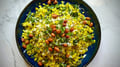
- Vegetable poha with curd:Poha provides energy, while vegetables add fibre and nutrients. Curd contributes protein and calcium.
- Moong dal chilla with paneer:A protein-rich option that can keep children satisfied through the morning. The paneer also adds calcium.
- Oats with banana and ground nuts:Oats provide fibre, while banana adds natural sweetness and nutrients. Use finely ground nuts for younger children.
- Idli with sambar:Soft idlis are easy to eat, while sambar adds lentils and vegetables for protein and fibre.
- Vegetable paratha with curd:A familiar Indian breakfast that combines carbohydrates, vegetables, protein, and calcium.
- For younger children:Keep textures soft and cut food into small, safe pieces.
- For school-age kids:Slightly larger portions and more variety can be offered according to appetite.
- For teenagers:Add a protein source such as paneer, eggs, curd, dal, or chicken to make breakfast more filling.
Lunchbox
- Paneer and vegetable roti rolls:Easy to hold and eat, with protein from paneer and fibre from vegetables.
- Vegetable pulao with curd:Rice provides energy, vegetables add nutrients, and curd contributes protein and calcium.
- Dal, rice and cooked vegetables:A simple combination that provides carbohydrates, protein, fibre, and important micronutrients.
- Chana or rajma with roti:Pulses provide plant protein and fibre, while roti supplies energy.
- Egg or paneer sandwich with fruit:A practical school option that combines protein with carbohydrates and fruit.
- For younger schoolchildren, keep lunchbox portions manageable and choose foods that are easy to chew and handle. Older children can have larger portions based on their appetite and activity levels.
Snacks

- Fresh fruit with plain yogurt: Provides fibre, vitamins, protein, and calcium.
- Roasted chana:A convenient source of protein and fibre.
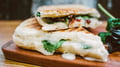
- Homemade vegetable sandwich:Whole-grain bread with vegetables and paneer or another protein filling makes a satisfying snack.
- Makhana:Can be lightly roasted and served in an age-appropriate form. Avoid whole or hard pieces for children who may have difficulty chewing.
- Smooth nut butter on soft toast:Provides energy and healthy fats, but only when nuts are safely tolerated and the texture is suitable for the child's age.
Snacks should fill the gap between meals without replacing them. Younger children may need smaller portions, while active older children and teenagers may need a more substantial snack.
Dinner
- Roti with dal and seasonal vegetables:A simple combination providing carbohydrates, protein, and fibre.
- Rice with rajma and cucumber:Rajma adds protein and fibre, while rice provides energy.
- Paneer or tofu with roti and vegetables:A useful vegetarian dinner with protein and calcium.
- Vegetable khichdi with curd:Soft, comforting, and easy to eat, particularly for younger children.
- Fish or chicken with rice and cooked vegetables:Provides protein and other nutrients needed for growth and tissue maintenance.
Key Foods for a Growing Child
- Whole grains:Wheat, rice, oats, dalia, and ragi provide energy and fibre. Rotating different staples keeps meals varied.
- Protein foods:Dal, chana, rajma, eggs, paneer, curd, tofu, fish, and chicken support normal growth and tissue maintenance.
- Vegetables:Carrots, spinach, peas, beans, pumpkin, tomatoes, and other seasonal vegetables provide different vitamins, minerals, and fibre.
- Fruits:Banana, guava, papaya, apple, orange, mango, and other seasonal fruits add fibre and important nutrients. Whole fruit is generally preferable to juice.
- Healthy fats:Nuts, seeds, nut butters, vegetable oils, avocado, and paneer can contribute fats and other nutrients. Whole nuts can be a choking risk for young children, so age-appropriate forms are important.
- Dairy and alternatives:Milk, curd, and paneer provide protein and calcium. Fortified soy beverages can be an option for children who cannot have dairy, depending on age and dietary needs.
Balanced Portions and Routine Meals
Children do not need identical portions at every meal. Appetite can change from day to day, so avoid forcing a child to finish everything on their plate.
Regular meal and snack times can provide structure. Parents can decide what, when and where food is offered, while children can gradually learn to respond to their own hunger and fullness cues.
Responsive Feeding and Picky Eating
Picky eating is common, particularly in younger children. Instead of pressuring a child to eat, offer a small portion of a new food alongside something familiar.
Parents can provide the food and set regular meal times, while children can decide whether and how much to eat from the foods offered. Repeated exposure may help children become more comfortable with unfamiliar foods.
You can also involve children in choosing, washing or preparing age-appropriate foods. Avoid calling foods “bad” or making children feel guilty about what they eat.
Food Safety Points for Children
- Avoid whole nuts, popcorn, whole grapes, hard raw vegetables and large chunks of meat or cheese for young children because they can be choking hazards.
- Cut or prepare foods according to the child's age and developmental abilities.
- Avoid thick spoonfuls or large chunks of nut butter.
- Supervise young children while they eat and ensure they are seated rather than walking around with food.
- Do not give honey to children under 12 months because of the risk of infant botulism.
- Check labels and avoid known allergens according to the child's individual needs.
- For suspected food allergies or significant feeding difficulties, discuss the issue with a paediatrician or qualified dietitian.
Conclusion

A balanced diet for kids does not need to be complicated. Offer a variety of grains and other staple foods, protein-rich foods, vegetables, fruits, suitable fats and dairy or appropriate alternatives across the day. Keep meals flexible, respect appetite and make food a positive part of family life.
Frequently Asked Questions
What is healthy food for kids?

Healthy food for kids includes a variety of grains, pulses, vegetables, fruits, protein-rich foods, suitable fats and age-appropriate drinks.
What should a child’s balanced plate include?
A balanced plate can include vegetables or fruit, grains or other staples, protein-rich foods, a suitable fat source and water.
Which Indian foods are healthy for children?
Roti, rice, dal, rajma, chana, idli, poha, vegetables, fruits, curd, paneer, eggs and other family foods can fit into balanced meals.
How can parents handle picky eating?
Offer small portions, include familiar foods, avoid pressure and continue offering rejected foods at later meals.
Her love for storytelling began with reading her grandfather’s speeches, where Tarishi saw the power of words in creating lasting memories. Combining her passions for food and writing, she has turned her life into a fulfilling path of sharing stories that celebrate flavours and how food brings communities together.
The views expressed are that of the expert alone.