




 Parenting Guide


 Child Health & Growth


 Learning & Skills Development


 Food & Nutrition


 Bournvita




Introduction
In most Indian homes, music and dance are pretty much part of festivities and traditions. With people dancing at the most festive gatherings in the home and cultural programs at schools, the rhythm of traditional dance often lightens up the atmosphere. All these performances also have enough health benefits. Classical dance forms like Kathak, Bharatanatyam, and others testify to the rich heritage of India and are equally superb exercises for the body. Those who want to be entertained as well as keep their weight in check will be interested in knowing that these dances may just be classics that are sweeping.
Why Is Indian Classical Dance Great Exercise?
Indian classical dance is one of the most holistic and culturally rich fitness activities. It beautifully combines physical movement, mental focus and artistic expression. There are many who underestimate the health benefits of classical dance as a form of fitness. But each session will burn calories, build strength and increase flexibility significantly. The stamina and full-body engagement required by cultural dance forms like Kathak and Bharatanatyam. In practice they train muscles, joints and cardiovascular system simultaneously.
How Indian classical dance supports fitness and well‑being
Indian classical dance improves cardiovascular health with constant rhythmic movement and practice. It always builds up strength in the muscles of the legs, core, abdomen and arms. A wide variety of movements makes for a considerable improvement in flexibility. Cultural dance also offers regular practice to develop basic skills such as coordination and balance. Structured dance training also helps to improve mental focus, memory and concentration.
How to start learning Indian classical dance for fitness
Getting started with Indian classical dance is easier than you think. Begin with a small trial class or beginner’s video on Kathak or Bharatanatyam. Most of the cities and towns in India offer cultural dance classes. For practice, wear comfortable, flexible clothes and soft-sole or flat shoes. It is recommended that you practice two to three times a week, for twenty to forty minutes. Start with basic footwork, posture and simple rhythms before going further.
Kathak
Kathak is a classical kind of Indian dance which is considered to be born in the north; it has very intense footwork and whirls along with very nice gestures. Some sort of small bells on the ankles, called ghungroos, are also worn by the dancers to produce rhythm through their foot movements. High physical stamina and precision are required in practicing Kathak.
Benefits
Cardiovascular Health: Fast footwork increases heart rate, which is beneficial for increasing cardiovascular endurance.
Muscle Tone: Continuous movement tones the muscle structure of the legs, core, and arms.
Flexibility/Equilibrium: Intricate spinning and posturing improves flexibility and balance.
Brain Activity: Memorization of the intricate steps adds to memory and mental sharpness.
Bharatanatyam
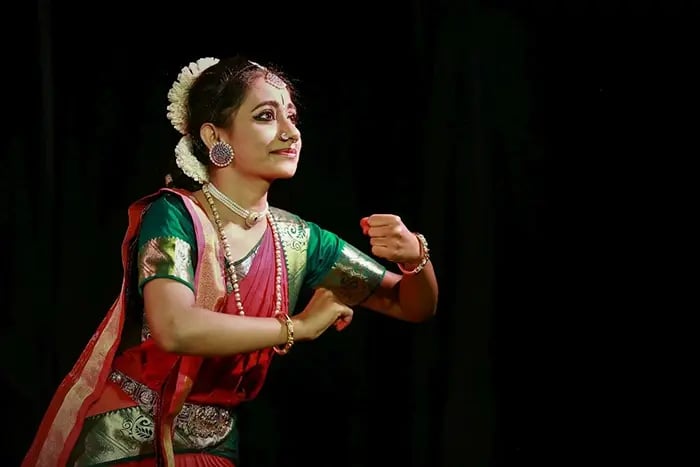
Bharatanatyam is one of India's oldest classical dance forms, originating in Tamil Nadu. It consists of very intricate footwork, hand movements, and facial expressions used in the narration of stories from Hindu mythology. The dance form is performed in a fixed stance of the lower body known as the Aramandi.
Benefits
Lower body strength: The Aramandi prepares strength in the thighs, calves, and glutes.
Posture and core strength: The straight posture emphasized in the dance builds strong core muscles and induces spinal alignment.
Coordination: Hand-eye and foot movements come in sync to help bring about coordination of the entire body.
Mental Focus: The storytelling nature keeps one concentrated with a clear focus of mind on the dance.
Mohiniyattam
Mohiniyattam hails from Kerala and is extremely graceful and lyric in nature. The dance form is usually performed by females. The swaying of the body is noticeable with light footwork and emotive gesture of the hand is involved in this dance form.
Benefits
Grace and Flexibility: The undulating movements provide a flow to the entire body's flexibility and grace.
Joint Mobility: The soft, measured footwork increases joint mobility, particularly the hips and shoulders.
Breath Control: Slow movements of the dance help take control of the breathing, thus encouraging sound lung capacity
Stress Relief: due to the calm and tender movements, one can reduce psychological stress and anxiety
Kuchipudi
Originally from Andhra Pradesh, Kuchipudi is a combination of pure dance and pure play. It has vigorous movements, fine footwork, and storytelling; it might have narrative dance in which the performer may need to speak or sing
Benefits
Cardiovascular Fitness: It gives very good cardio because of the variety of dynamic movements involved.
Strength and Agility:The parts where the dancer jumps and spins vigorously give a physical boost to strength and agility.
Coordination and Balance: It helps improve coordination and balance because dance utilizes combinations of activities of dance and acting.
Vocal Exercise: Speaking or singing while one dances encourages vocal exercise in terms of strength and control of vocals.
Odissi
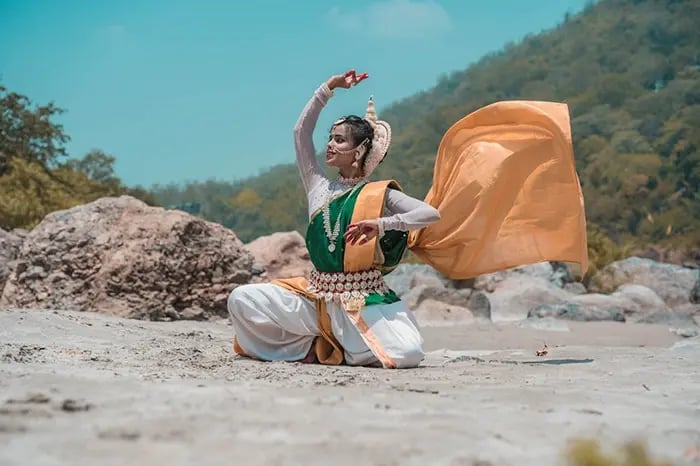
Odissi, practiced in Odisha, is one of the oldest surviving dance forms in India. Comprising fluid upper body movements, intricate footwork, and emotive face gestures, this dance form usually reflects stories of Lord Jagannath and other deities.
Benefits
Flexibility and Grace: Flexibility and grace in upper body movement can be improved.
Muscle Endurance: Practice of postures increases muscle endurance in parts, mostly in the lower limbs, body pain.
Increase in concentration: The need to remember the steps in the correct order while maintaining a certain pace of movement helps increase concentration
Posture Improvement: The focus on maintaining a certain posture helps in building a good core and back.
Imparts Mental Discipline: The storytelling and expressive aspect of the system calls for mental discipline while engaging the emotions
Manipuri
From the northeastern state of Manipur, the dance is accompanied by gentle and flowing movements. It is mainly a performance associated with devotional worship but reflects the sense of folk
Benefits
Lightness and Agility: The light and fluid movements improve overall agility and lightness of the body.
Flexibility: The gentle dance form helps with flexibility, especially in the spine and joints.
Stress Reduction: This calm, devotional dance reduces stress.
Spiritual Connection: Its devotional aspects are meant to bring about spiritual wellness and inner peace.
Conclusion: Moving mind and body through Indian classical dance
Indian classical dance is more than a cultural expression — it is a powerful fitness tool. Different styles are suited to different goals such as cardio, strength, flexibility and stress relief. Classical dance is good for you, with proven health benefits, and available to all. Cultural dance is a way of connecting to India’s rich artistic and spiritual heritage. The dance workout has the benefit of a modern gym workout, with the added benefit of cultural depth and artistry.
Frequently Asked Questions
Is Indian classical dance a good form of exercise?

Yes, Indian classical dance is a good exercise. Classical dancing has health benefits such as cardiovascular fitness, strength, flexibility, and better mental focus.
Which classical dance form is best for weight loss?
Bharatanatyam and Kathak are the most effective Indian classical dances for weight loss. They move quickly and keep their energy up, which is great for a dance workout.
Can Bharatanatyam improve posture and flexibility?
Yes, Bharatanatyam is one of the Indian classical dance styles that is most recognized for improving posture. The Araimandi pose develops core strength and flexibility as an important health benefit of classical dance.
How does Kathak help improve cardiovascular health?
Kathak’s quick footwork constantly increases your heart rate, making it a great form of cardiovascular exercise. Kathak is like interval training for sustained aerobic fitness, a benefit of dance workouts.
Is classical dance beneficial for mental health?
Yes, Indian classical dance helps to relieve stress and improve emotional well-being through rhythmic expression. Classical dance can help improve focus, mindfulness, and mood regulation.
Can children learn classical dance for fitness?
Of course. Children are good for cultural dances such as Kathak and Bharatanatyam. They build coordination, discipline, and fitness while linking them to India's rich cultural heritage.
Deepali is a senior food and wellness writer with over a decade of experience in top media houses, crafting engaging narratives. She is a professional home baker and loves exploring food from every corner of the world to reading cookbooks. She believes a healthy lifestyle is a combination of both mental and physical fitness. Her goal always remains to keep moving, eating seasonal and practicing gratitude.
The views expressed are that of the expert alone.
Popular Topics