



 Parenting Guide


 Child Health & Growth


 Learning & Skills Development


 Food & Nutrition


 Bournvita





Introduction
Learning is an ongoing process where kids develop skills, gain knowledge and learn how to put their feelings into words. When a kid starts preschool, they get introduced to activities that encourage them to ask questions, observe the world around them and use their imagination. Among all the learning experiences, art activities for pre-schoolers play a special part because they manage to combine fun with real learning.
Research from 'Developing Children’s Creativity Through the Art of Crafts' (2022) shows that art and craft activities are a great way to help with motor skills, emotional expression and brain growth. Through preschool craft activities, little ones start to learn about colors, shapes, textures and emotions and they also learn to figure things out for themselves. These early experiences lay the foundation for problem solving, communicating and having the confidence to give things a go, making early childhood art projects a vital part of a kid's growth.
Why Art Is Important In Early Childhood?
Art is essential for helping young children grow and develop as a whole. Here's why art activities for preschoolers are such a big deal.
Builds fine motor skills
Doing simple things like painting, ripping paper or stamping helps build hand and finger strength. These movements also help you get ready to write, so art for toddlers is a big help in getting them ready for writing.
Encourages self-expression
Art gives kids a way to express how they're feeling even if they can't put words to it. Through colours and shapes, creative art ideas for preschool kids help them find a safe way to communicate their feelings.
Boosts creativity and imagination
Open-ended early childhood art projects let kids think for themselves and come up with their own ideas without worrying about getting things right or wrong.
Improves focus and patience
Completing an art project takes a lot of concentration and perseverance. Over time, preschool craft activities help kids learn to focus and get things done.
Supports cognitive development
Art activities help kids learn to think things through and make decisions as they choose colors, materials and techniques.
Choosing Age-Appropriate Art Materials
Picking the right materials makes sure that art activities for preschoolers are fun, safe and effective.
Choose safe and non-toxic supplies
Always pick paints, crayons and glue that are designed for kids. This lets them explore art for toddlers without worrying about getting sick.
Use materials that are easy to hold
Materials like big crayons, thick brushes and large sponges help build hand strength and control.
Avoid overly complex tools
Keep things simple. Tools that are too complicated can overwhelm pre-schoolers and put them off art.
Include everyday and recycled items
Using cardboard, bottle caps or paper rolls supports creative art ideas for preschool kids and teaches them about reuse.
Offer a variety of textures
Different surfaces like paper, sponge, fabric or bubble wrap make early childhood art projects a fun and interesting experience for the kids.
7 Simple Art Activities For Preschool Kids
Here is a list of some really interesting art and craft activities that preschoolers may try at home or at school.
Sponge Painting
Sponge painting is an activity in which a child has to cut small pieces of sponges. Each of these can be in different shapes and sizes. Now the sponges have to be dipped in painting, colors, and simply stamped on a white sheet of paper. Sponges can be great alternatives to painting brushes and also reduce the likelihood of mess. Additionally, it may help a child develop some fine motor skills while making different patterns with a sponge.
Illustrations
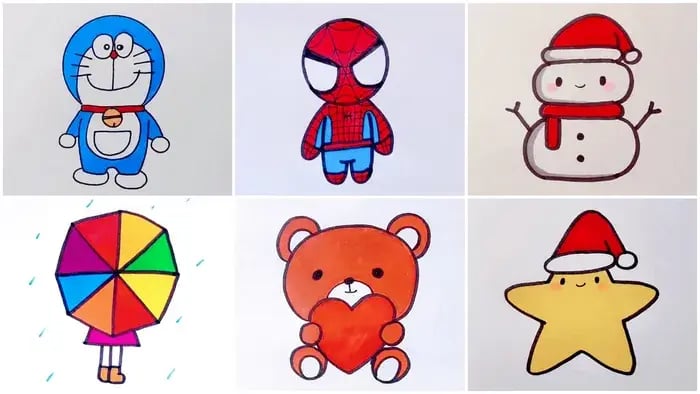
If your child loves cartoons and is also fascinated by doodling, then this could be the right activity for them. You may give your child a simple cue that can creatively help them design a cartoon illustration of their own. Initially, you may start with something easy and help the child transform their ideas into a tangible form. The child may also borrow inspiration from storybooks, movies, and other creative sources.
Bubble Wrap Painting
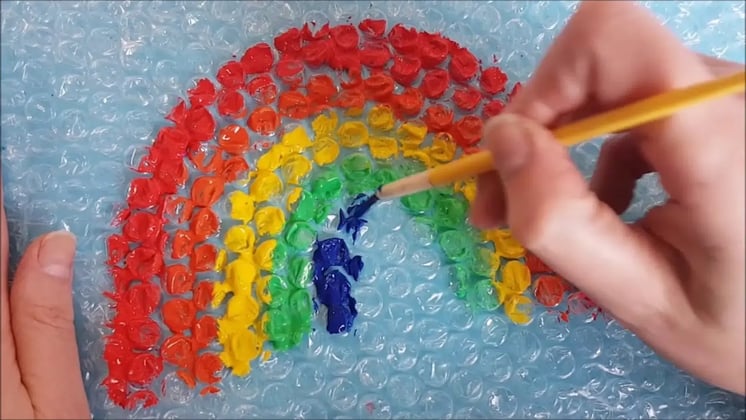
To do this at home, you would need to give your child a bubble wrap that has to be immersed in paint colors. Now, this bubble wrap has to be very gently pressed by your child on a white sheet of paper. The kid might be fascinated to see the distinct pattern created on the sheet through bubble wraps. It's a great way to make the child understand various textures and encourage them to experiment more with their art activities.
Finger Painting
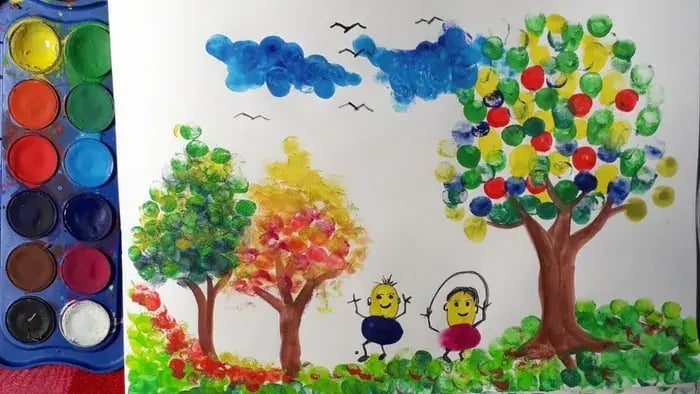
If you really want your child to experience sensory play, then you may make them use their fingers to paint. Finger painting requires the child to dip their fingertips into colors and then strategically imprint them on the paper to make various designs, designs and impressions. It may also help a child understand how they can actively use their fingers to create new painting ideas while also enhancing their motor skills.
Recycled Art
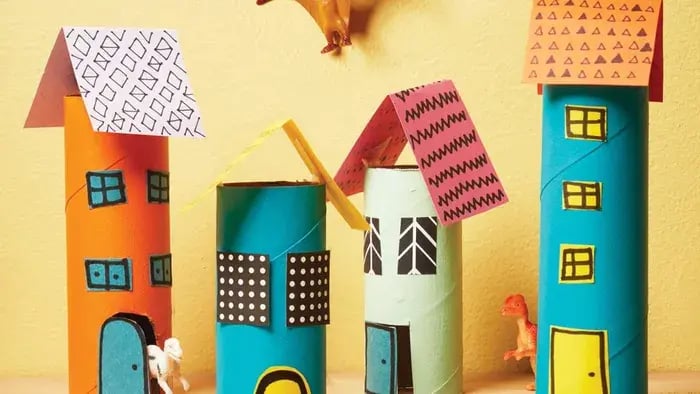
To make the best use of waste material kept at home and simultaneously engage your child in a creative activity, you may use recycled materials. This includes leftover cartons, bottles, bottles caps, tubes, and cardboard boxes. Each of the items can be used to make small robots, cars, and animals. It may also make your child understand the importance of sustainability and making the best use of the available resources.
Straw Blowing Art
Straw blowing is an activity in which your child will have to use straws to create patterns on a drawing sheet with watercolors. The process begins with pouring some diluted watercolor on a sheet. Now, the next step is to use this straw and gently blow air into it to distribute the diluted paint into different corners of the sheet. This will help the child design some abstract painting and they may control the flow of the colors with their blow.
Ice Painting
In this highly engaging activity, a child gets an extremely sensory rich experience while exploring different colors. For pre-preparation, parents have to make ice popsicles with water and paint colors. The mixture has to be transferred into ice cube molds, and one has to add ice cream sticks to each of these sections. Once the colored popsicles are ready, parents may give this to the child. The child can paint using these popsicles by holding them from the stick. The activity is a solid combination of fun and creative learning.
Supporting Creativity In Toddlers
Encouraging creativity early builds confidence and emotional well-being. Here’s how parents can support art activities for preschoolers.
Allow free exploration
Let toddlers explore colours and materials without strict instructions. This builds confidence and curiosity.
Focus on effort, not outcome
Praise participation and creativity rather than neatness. This encourages risk-free exploration.
Create a routine art time
Regular art sessions help children look forward to preschool craft activities and develop consistency.
Ask open-ended questions
Questions like “What are you making?” encourage thinking and communication without pressure.
Limit interference
Avoid correcting drawings. Allow children to express ideas freely through creative art ideas for preschool kids.
Conclusion
Art is a powerful learning tool that supports emotional, cognitive, and physical development in young children. Through engaging art activities for preschoolers, kids learn to express themselves, explore creativity, and build confidence naturally.
Whether it’s finger painting, recycled crafts, or ice painting, early childhood art projects create joyful learning experiences. With the right materials and encouragement, art becomes a safe space for growth, imagination, and lifelong creativity.
Pakhi writes with the belief that dessert isn’t just a dish—it’s a mood. Her work blends storytelling with tips, turning timeless treats and trendy bites into accessible moments of comfort, celebration, and creative expression.
The views expressed are that of the expert alone.
Popular Topics