



 Parenting Guide


 Child Health & Growth


 Learning & Skills Development


 Food & Nutrition


 Bournvita




Introduction
Maths is a part of everyday life, even when children may not notice it. Research published in Developmental Psychology, shows that children use maths while counting toys, sharing snacks, reading the clock, measuring ingredients, or playing games. Because maths is used so often, it becomes easier for children to understand when learning feels fun and simple.
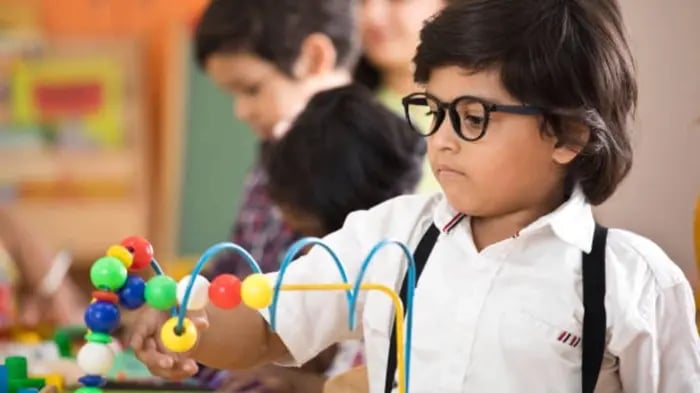
Many children may feel nervous about maths when they think it is difficult or only connected to schoolwork. However, maths does not always need to happen with books and worksheets. Children often learn better when they can touch, move, play, and explore. Fun activities can make numbers, shapes, counting, and patterns feel more interesting and less stressful.
When children enjoy learning maths, they often become more confident and willing to try new things. Small activities at home can help children understand maths in a natural way. A child may enjoy counting objects, solving puzzles, building with blocks, or playing number games. These simple activities can slowly help children improve thinking, memory, and problem-solving skills.
The best part is that many maths activities need only simple things that are already at home. Children can learn while playing, moving, and spending time with family. This makes maths feel easier, happier, and more useful every day.
5 Reasons Why Learning Maths Is Crucial for Kids
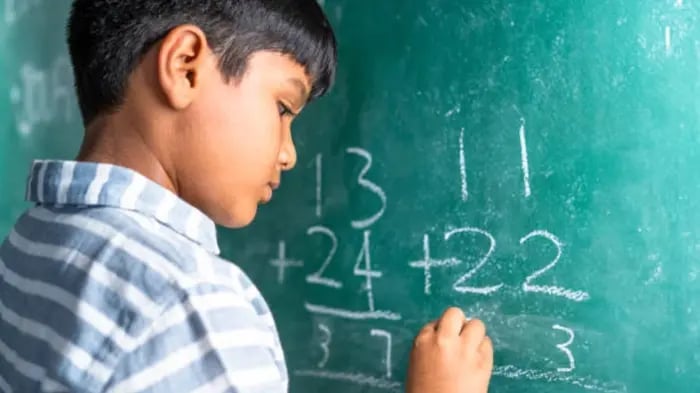
Maths helps children in many parts of life. Children use maths at school, at home, and while making daily choices. Learning maths can also help children become more confident and better at thinking clearly.
Maths Helps Children Think More Clearly
Children often use maths to notice patterns, compare things, and understand how ideas connect. These small thinking skills can help children solve problems in school and daily life. According to research by UNICEF “Learning Through Play,” math activities help children improve thinking, memory, and understanding.
Maths Improves Problem-Solving Skills
Maths teaches children how to think step by step. Children may learn how to find an answer, try again, and think of different ways to solve a problem. According to the study published in “Mathematics and Problem-Solving Skills in Children,” children who practise maths often improve their thinking and decision-making.
Maths Supports Better School Learning
Many subjects become easier when children understand maths. Children may use maths in science, art, cooking, sports, and even reading. According to research by WHO “Improving Early Childhood Development,” children learn better when they develop strong early thinking and learning skills.
Maths Helps Children Become More Independent
Children often use maths in daily life without noticing it. A child may count money, read the time, follow a recipe, or understand distance. As per the study by Eat Right School and Healthy Lifestyle Programme, children benefit when they learn practical life skills, including counting and measuring.
Maths Can Build Confidence
Children often feel proud when they solve a maths problem or understand something new. Small successes can help children believe in their personal abilities and feel less afraid of making mistakes. Research published in “Confidence and Academic Skills in Children,” shows that children often become more confident when they practise learning skills in a fun and positive way.
10 Fun Math Activities That Make Learning Easy
Children often learn maths better when the activity feels like a game instead of schoolwork. These simple ideas can help children enjoy numbers, counting, shapes, and problem-solving in a fun way.
Count Everyday Objects
Children can count things that are already at home, such as toys, pencils, fruits, buttons, or books. You can ask children to count how many apples are on the table or how many steps there are in the house. This helps children become more comfortable with numbers and counting.
Play Number Hopscotch
You can write numbers on the ground with chalk or place number cards on the floor. Children can jump from one number to another while saying the numbers aloud. Older children may enjoy simple maths questions while jumping, such as adding or subtracting. This activity helps children learn while moving.
Use Building Blocks for Counting and Shapes
Blocks can help children count, compare sizes, and learn shapes. Children may enjoy building towers with a certain number of blocks or making different shapes. This makes maths feel more hands-on and easy to understand.
Try Simple Cooking Activities
Cooking can become a fun way to learn maths. Children may count spoons, measure flour, or notice which bowl has more or less. These simple tasks help children understand numbers, measuring, and comparing.
Play Board Games with Numbers
Games such as Snakes and Ladders, Ludo, or number card games can help children learn counting and simple maths. Children often enjoy these games because they feel fun and exciting. While playing, children may also learn patience and turn-taking.
Create Shape Hunts Around the House
Children can look around the house and find different shapes. A clock may look like a circle, while a book may look like a rectangle. This activity helps children understand shapes in a simple and practical way.
Use Coins for Counting Games
Children may enjoy counting coins, sorting them, or pretending to buy things. This activity helps children understand numbers, money, and simple addition. A small pretend shop at home can make learning feel more exciting.
Make Simple Pattern Games
Children can create patterns with beads, blocks, colours, or paper shapes. A pattern may look like red-blue-red-blue or circle-square-circle-square. Children often enjoy guessing what comes next. This activity helps children think carefully and notice details.
Solve Easy Maths Riddles
Simple riddles can make maths more fun. You can ask questions such as, “If there are three birds on a tree and one flies away, how many are left?” Children often enjoy thinking about the answer. Riddles help children learn maths in a playful way.
Play with Measuring Tape
Children may enjoy measuring tables, books, toys, or even height. A measuring tape can help children understand longer, shorter, bigger, and smaller. This activity makes maths feel useful and real.
Conclusion

Maths becomes easier when children can learn through games, movement, and simple daily activities. Fun activities help children feel more confident and less worried about numbers. When children enjoy learning maths, they often become more curious, creative, and willing to keep trying.
Her love for storytelling began with reading her grandfather’s speeches, where Tarishi saw the power of words in creating lasting memories. Combining her passions for food and writing, she has turned her life into a fulfilling path of sharing stories that celebrate flavours and how food brings communities together.
The views expressed are that of the expert alone.
Popular Topics