




 Parenting Guide


 Child Health & Growth


 Learning & Skills Development


 Food & Nutrition


 Bournvita





Introduction
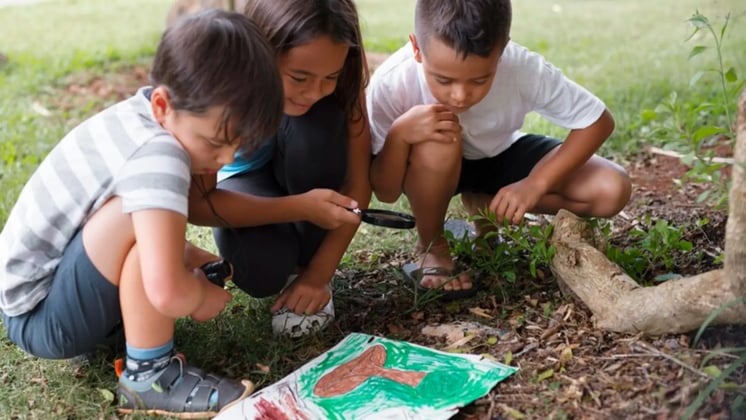
Holidays, the very word means freedom and fun to kids. Of course, there is always the load of school projects and homework, but the delicious lack of institutional discipline automatically adds a spring to your kid’s steps. While this may have meant the world to previous generations, due to the lack of endless entertainment guaranteeing constant outdoor playing and activities, things have changed now.
Kids are happier planning video game marathons in summer these days than going out for an actual game. Particularly after the COVID pandemic, a sedentary lifestyle has become the norm for many, leading to a spike in lifestyle diseases like obesity and diabetes in children. The only way to combat this situation is by ensuring your kids stay physically and mentally active. But how do you motivate children to stay active during holidays? Here is a quick guide with tips.
Tips to Keep Kids Physically and Mentally Active During Holidays
Plan Backyard Fitness and Play Activities
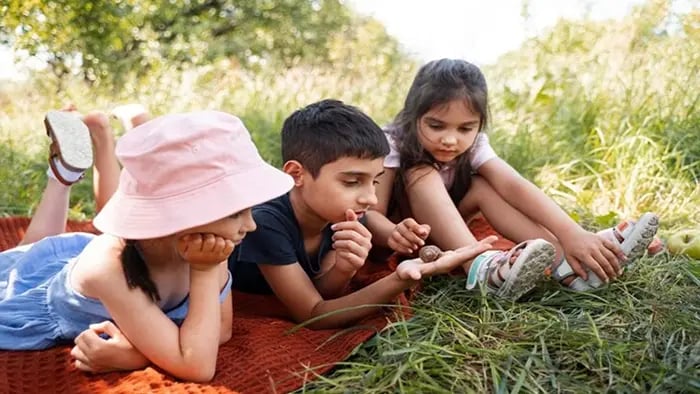
A designated outdoor play area at home, however small, becomes a consistent activity anchor when parents set it as the default location for movement after meals, afternoon activity, and morning stretching across the holiday period.
Use Terraces and Stairs for Everyday Activity
Families living in high-rise apartments underutilize the stair and terrace infrastructure, which provides a daily cardiovascular exercise opportunity without equipment, travel, expense, or scheduling coordination across the holiday period.
Use Friendly Challenges to Keep Kids Motivated
Step-count goals, skipping rope personal bests, timed obstacle completion, and push-up progression challenges provide the self-improvement motivation framework for children that open-ended activity requests seldom do.
Create Obstacle Races and Movement Challenges
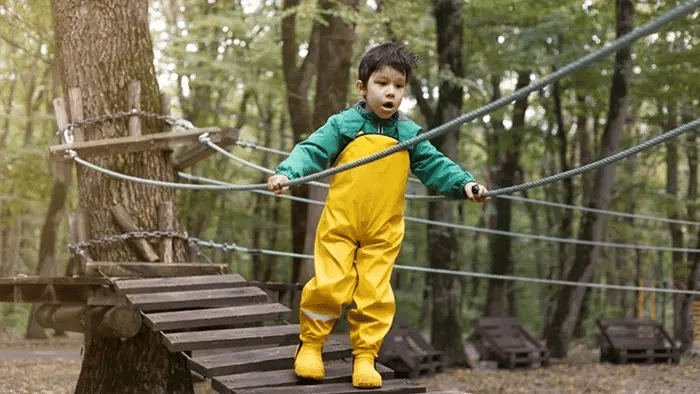
Make household obstacle courses out of home furniture where kids actively invest their energy rather than comply passively: pillows for stepping stones, chairs for tunnel frames, garden hoses for balance beams, and hallways for sprint zones.
Add Activities That Engage Both Body and Mind
Dance, martial arts videos, yoga for children, nature scavenger hunts, and cooking challenges requiring physical preparation all build physical activity habits via formats that tap cognitive, creative, and social dimensions, together with the movement component.
How Parents Can Build Motivation That Lasts Through Holidays
1. Let Kids Help Choose Activities
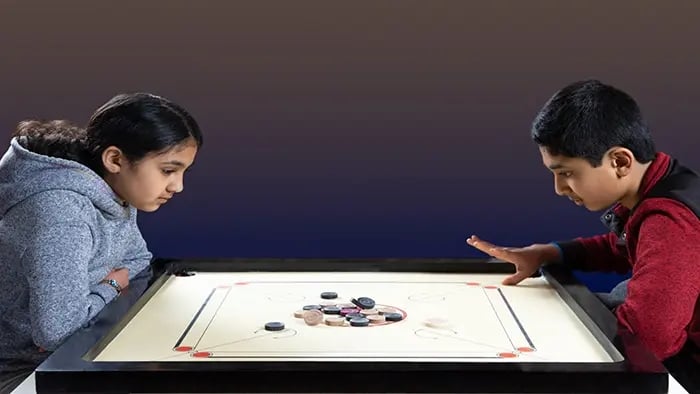
Children who get to choose their holiday activity schedule perceive the activities as things they have chosen, not as things their parents have made them do, and are now looking after them to make sure they do it. By giving the child two or three real options of activities and letting them choose. You are creating ownership, which motivate children to stay active during the holiday period when parental supervision is less consistent than the school structure that normally keeps them active by environmental design rather than individual motivation.
2. Turn Activity Into Routine, Not A Chore
With consistent maintenance over about two weeks, a fixed daily activity window at the same time each day becomes routine, not an instruction, so the child expects it, prepares for it, and engages with it without the daily negotiation that unscheduled activity requests require. Motivating your child to stay active sustainably over the full holiday period by making the activity window a structural feature of the daily schedule rather than an optional enhancement produces compliance rates never matched consistently by motivational speeches, reward promises, or screen time restrictions.
3. Use Goals and Mini Challenges
Weekly distance goals for walking or biking, daily minimum step counts, and skill progression challenges for specific activities all provide the measurable progress markers that motivate children to stay active through the satisfaction of visible improvement instead of external reward alone. Goals should be hard enough that your kids have to work for them, but realistic enough that they can achieve success this week. Failure against unrealistic goals kills motivation more completely than lack of goals kills drift.
4. Reward Consistency, Not Performance
The reward of doing something for 5 days in a row, regardless of how far they ran, how many goals they scored, or how fast they completed the obstacle course, creates motivation to create the habit. Performance-based rewards undermine this motivation by making participation dependent on external results rather than internal consistency. Rewarding children for their daily attendance, irrespective of their performance, cultivates the internal exercise identity that motivational research across physical activity has consistently found to be the best predictor of lifelong active behavior.
Frequently Asked Questions
How much physical activity should kids get during school breaks?

School breaks should not be less than the baseline supported by the school-day structured activity, but should meet or exceed it.
What are easy holiday activities for kids at home?
Jumping rope, badminton, yoga videos, stair relays, backyard obstacle courses, dance challenges, cycling around the neighborhood, and nature scavenger hunts all offer meaningful physical activity.
Kaushiki Gangully is a content writing specialist with a passion for children's nutrition, education, and well-being. With more than five years of writing experience and a science-based background, she provides nuanced insights to help families raise happy, healthy kids. Kaushiki believes in making learning and healthy eating fun, empowering parents with practical, easy advice.
The views expressed are that of the expert alone.
Popular Topics