




 Parenting Guide


 Child Health & Growth


 Learning & Skills Development


 Food & Nutrition


 Bournvita





Introduction
Proteins are essential nutrients that the body needs to grow and function properly. Getting enough protein is especially important for children because they are still developing. Proteins are made up of smaller molecules called amino acids that are the building blocks of many tissues and cells in the body.
Protein helps build and repair muscles and bones in kids. It also supports their immune system to fight infections. In addition, proteins are needed to produce hormones, enzymes, and antibodies that enable the body to work efficiently. Some symptoms of protein deficiency in children include slowed growth, muscle wasting, swelling, and weakened immunity.
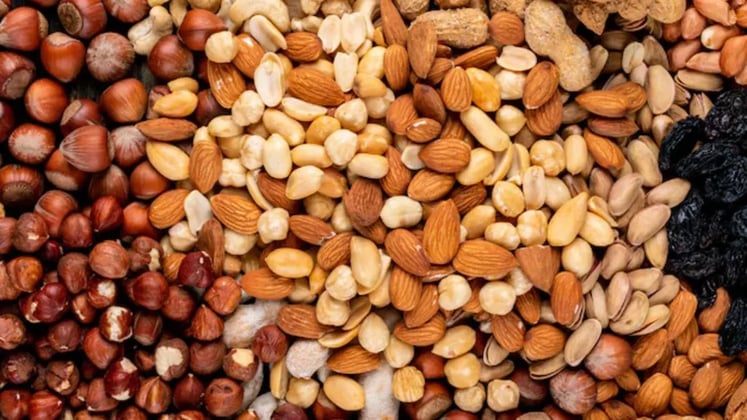
Nuts and seeds are excellent sources of protein that can help kids meet their daily protein needs. Almonds, cashews, walnuts, pumpkin seeds, chia seeds, hemp seeds, and many others provide substantial amounts of protein. They make great high-protein snacks for children and are easy to incorporate into their diet.
Why Nuts and Seeds Are Ideal Snacks for Kids
Nuts and seeds are rich in three macronutrients—protein, fat, and fiber—that children need to maintain their energy levels. Protein helps growing children repair their muscles, make enzymes, and help their immune system. Growing children have active days. Almonds, walnuts, and chia seeds contain healthy unsaturated fats that help keep brain cell membranes intact and support hormone production.
Nuts and seed snacks are effective because they require no refrigeration, minimal packaging, and no serving equipment. Pre-portioned bags of mixed nuts and seeds are easy to pack into school bags, travel bags, and sports kits. Vitamin E in sunflower seeds and almonds provides antioxidant protection to reduce inflammatory stress in growing children.
Nutritional Benefits of Nuts and Seeds for Kids
Support brain development and memory
Omega-3 fatty acids, choline, and vitamin E are the building blocks for children’s neurological development and cognitive function. Walnuts contain alpha-linolenic acid, a precursor to omega-3s, which helps build myelin sheath in developing neural pathways. Chia seeds for children have omega-3 and omega-6 fatty acids in a ratio that supports a balanced inflammatory response in the brain.
Provide long-lasting energy
Nuts and seeds are a good source of slow-release energy, as they contain a combination of healthy fats, protein, and fiber with no refined carbohydrates. This slow release of energy avoids the blood sugar spikes and crashes that are common with sugary or processed children’s snacks. Kids who eat nuts and seeds before school consistently report sustained concentration and reduced mid-morning hunger.
Improve digestion and satiety
The fiber content of chia seeds, flaxseeds, and almonds supports healthy bowel regularity and diverse gut microbiome composition in children. Chia seeds for kids absorb water and form a gel-like substance in the digestive tract that makes kids feel fuller for a much longer time. Seeds rich in soluble fiber support the growth of good bacteria in the gut, which in turn influences immunity, mood, and digestion.
Best Nuts and Seeds as High-Protein Snacks for Kids
1. Pumpkin Seeds (Protein & Mineral Boost)
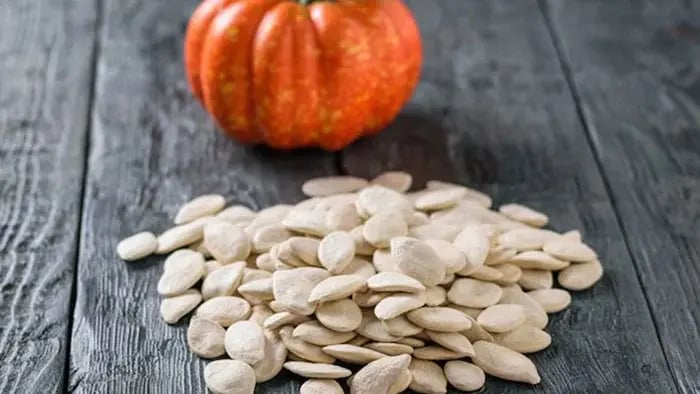
A 30-gram serving of pumpkin seed snacks contains about 9 grams of protein and impressive amounts of zinc and magnesium. Zinc is needed for immune function, wound healing, and the normal development of taste and smell in children. If you want to keep it simple, lightly roast the pumpkin seeds with a pinch of salt and serve them as a crunchy snack on their own.
2. Chia Seeds (Fiber + Omega-3 Powerhouse)
Chia seeds for kids are a small but nutritionally super seed packing omega-3 fatty acids, calcium, fiber, and complete protein. In a two-tablespoon serving, chia seeds contain 4 grams of protein and 11 grams of fiber. You don’t need to use chia seeds whole—adding them to yogurt, smoothies, or pudding makes them easier for children to accept.
3. Sunflower Seeds (Vitamin E Rich Snack)
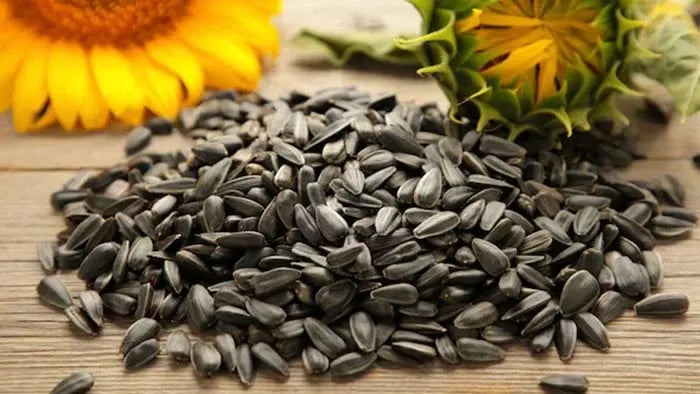
Among commonly available seed types, sunflower seeds have the highest natural vitamin E content per serving. Vitamin E is a powerful antioxidant that protects children’s cells from oxidative damage during physical activity and sickness. One 30-gram serving of sunflower seeds contains about 6 grams of protein, magnesium, selenium, and B vitamins.
4. Almonds (Everyday Brain Food Snack)
Almonds are regularly ranked as one of the most nutritionally complete nut options to meet children’s daily snacking needs. A 30-gram serving provides kids with about 6 grams of protein, 3.5 grams of fiber, and a good amount of calcium and magnesium. Almonds are rich in vitamin E and magnesium, which help protect the brain and support muscle function in physically active children.
5. Walnuts (Omega-3 for Brain Development)
Walnuts are the only tree nut to give a good amount of alpha-linolenic acid, the plant-based omega-3 fatty acid that is so important for brain development. Walnut intake is associated with better memory, processing speed, and emotional regulation in school-age children. They have a very bitter flavor, so they are an acquired taste—blending them into smoothies or baked goods helps make them more tolerable for younger children.
6. Cashews (Energy-Boosting Snack)
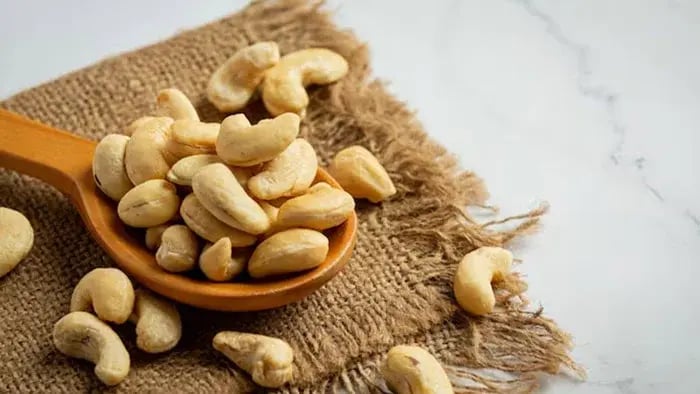
Cashews offer a smooth mouthfeel, subtle sweetness, and a balanced macronutrient profile that is especially great for active kids. A 30-gram portion of cashews provides roughly 5 grams of protein, plus iron, magnesium, and copper for energy metabolism. They are lower in fiber than almonds, and so are easier on the digestive system of younger children when initially introduced.
7. Pistachios (Balanced Protein Snack)
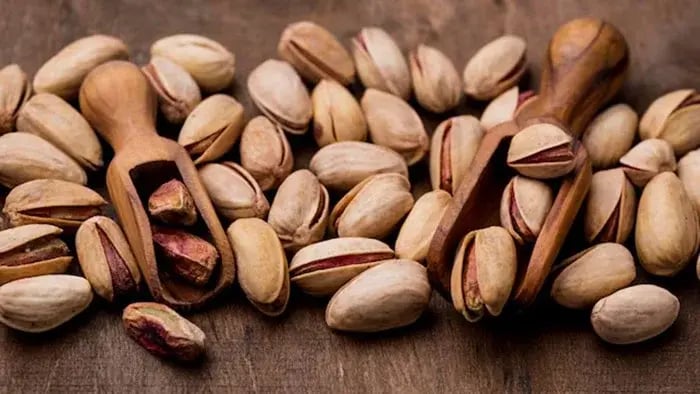
Pistachios are one of the highest protein-containing nuts by calories per serving available commercially for kids. Each 30-gram serving delivers about 6 grams of protein, 3 grams of fiber, and a good dose of B6 and potassium. Of course, peeling pistachios detracts from the pace of eating, which promotes mindful eating and better portion awareness in kids.
Easy Homemade Nut and Seed Snack Ideas
Homemade Trail Mix for Kids
Parents can control the amount of sugar, the types of nuts, and how much each child gets when they make their own trail mix. Combine almonds, cashews, walnuts, pumpkin seeds, sunflower seeds, raisins, and a few dark chocolate chips.
Nut Butter Snacks for Kids
Nut butter snacks provide the full nutrition of whole nuts in a creamy, spreadable form that kids of all ages can safely enjoy. Whole-grain crackers or apple slices with natural almond butter, cashew butter, or peanut butter make complete, balanced snacks.
Seed Sprinkle Add-ons
Sprinkling seeds on existing foods increases the nutritional density without requiring children to accept seeds as standalone foods. Add chia, flax, or sunflower seeds to yogurt, oatmeal, smoothies, salads, or homemade granola bars easily. Start with small amounts of one to two teaspoons and increase gradually as children’s palate acceptance grows over time.
How to Include Nuts and Seeds in Kids’ Daily Diet
Add to breakfast (oats, cereals)
So add ground flaxseed, chia seeds, or crushed almonds to morning oatmeal to boost the protein and omega-3 content of this breakfast. Overnight oats with chia seeds, milk, and sliced almonds are a super-nutritious, no-fuss option for your morning. A tablespoon of nut butter spread on whole-grain toast is a complete-protein, complex-carbohydrate breakfast for school-age kids.
Pack some school snacks
The most practical, mess-free school snack option is individual airtight containers of nuts and seeds. A 20–30 gram serving of mixed nuts offers a steady energy boost throughout the morning, and it doesn’t need to be refrigerated or prepared in any complicated way. Homemade trail mix divided into school snack boxes gives children dependable access to nutritious food between meals.
Use in smoothies and desserts
Throw cashews, walnuts, or soaked almonds into smoothies for creamy, protein-packed drinks kids love – no nutty flavor in sight. Kids' chia seeds added to smoothies in one-tablespoon quantities are completely undetectable while providing significant omega-3 and fiber benefits.
Mix into evening snacks
Nuts and seeds make healthy evening snacks for kids to bridge the nutritional gap between afternoon play and dinner. A small bowl of roasted makhana mixed with pumpkin seeds and a handful of cashews gives your child protein, minerals, and a satisfying crunch.
Safety Tips While Giving Nuts and Seeds to Kids
Avoid whole nuts for toddlers (choking risk)
Whole nuts have been shown to be a choking hazard for children under four years of age because of their shape and hardness, and should never be given to them. • Give toddlers nuts only as smooth nut butters, finely ground powders added to foods, or as part of baked preparations.
Check for allergies
Tree nut and peanut allergies are some of the most common and potentially serious food allergies diagnosed in childhood worldwide. Introduce each new type of nut or seed individually, waiting at least 48 hours before introducing another. Start with a small amount, one quarter of a standard serving, and watch for skin, respiratory, or digestive reactions.
Prefer roasted/unsalted versions
Raw nuts may have surface bacteria that pose a low but real risk for younger children with developing immune systems. Light dry-roasting at 150–170°C for 10–15 minutes reduces the surface bacterial load but retains most of the nutritional value. The unsalted kind helps avoid excessive sodium, which is already high in children's diets overall each day.
Maintain portion control
Nuts and seeds are high-calorie foods, although nutritionally excellent, and children need to watch their portion sizes. For children aged 4-12, the recommended daily serving is 15-30 grams of mixed nuts and seeds, depending on their age and activity level. Over-provision of nuts and seeds can displace dietary variety and may provide too many calories for smaller or less active children.
Are Nuts and Seeds Good Brain Foods for Kids?
Omega-3 fats improve memory and focus
Walnuts and chia seeds are loaded with omega-3 fatty acids, which are vital structural parts of brain cell membranes during all stages of development in children. Adequate omega-3 fatty acid intake during childhood is associated with better working memory, processing speed and sustained attention capacity.
Vitamin E supports brain protection
Almonds and sunflower seeds provide vitamin E, a neuroprotective antioxidant that reduces oxidative stress in developing brain tissue. It is known that cumulative oxidative damage during childhood from environmental exposures, illness, and metabolic activity leads to long-term cognitive vulnerability.
Regular intake helps cognitive development
Cognitive development in children follows trajectories directly influenced by the consistency and quality of nutritional intake across developmental years. Sporadic high-quality nutrition does not compensate for consistently poor dietary choices across the weeks and months of active brain development.
Conclusion
High-protein snacks for kids from nuts and seeds deliver unmatched nutritional density in a portable, practical format. Daily intake of a variety of nuts and seeds supports brain development, immunity, and sustained energy in growing children. Small, consistent portions of these whole foods represent one of the most impactful nutritional investments parents can make.
Frequently Asked Questions
What are the best high-protein snacks for kids?

The best high-protein snacks for kids from the nut and seed category include almonds, pumpkin seeds, pistachios, and chia seeds.
Can kids eat nuts and seeds daily?
Children above four years of age can safely eat age-appropriate portions of nuts and seeds every day without concern. A daily serving of 15–30 grams provides protein, healthy fat, and micronutrients that meaningfully support nutritional requirements.
What is a healthy homemade trail mix for kids?
A balanced homemade trail mix for kids combines almonds, cashews, walnuts, pumpkin seeds, sunflower seeds, raisins, and a small measure of dark chocolate.
Are nuts good for brain development in children?
Nuts are among the most effective dietary brain foods for children due to their omega-3, vitamin E, and mineral content. Walnuts specifically provide alpha-linolenic acid that directly supports neurological development during childhood's most critical growth windows.
Her love for storytelling began with reading her grandfather’s speeches, where Tarishi saw the power of words in creating lasting memories. Combining her passions for food and writing, she has turned her life into a fulfilling path of sharing stories that celebrate flavours and how food brings communities together.
The views expressed are that of the expert alone.
Popular Topics