



 Parenting Guide


 Child Health & Growth


 Learning & Skills Development


 Food & Nutrition


 Bournvita





Introduction
When it comes to vitamins that a child requires, most parents are significantly well-versed in them. Vitamins such as vitamins A, B, C, D, E, K, and more are very well known for child-effective development.
As everyone talks about vitamins, parents need to understand minerals, too. Minerals are lesser-known micronutrients essential for a child's body to grow. Minerals are not required in the body in much content, but they are essential in almost all the bodily functions, contributing to the overall development of health.
Phosphorus is one of those essential minerals that the body requires at an early age. Get to know why phosphorus is important and how it elevates the body to a much healthier state.
Why Phosphorus Is Important for Kids?
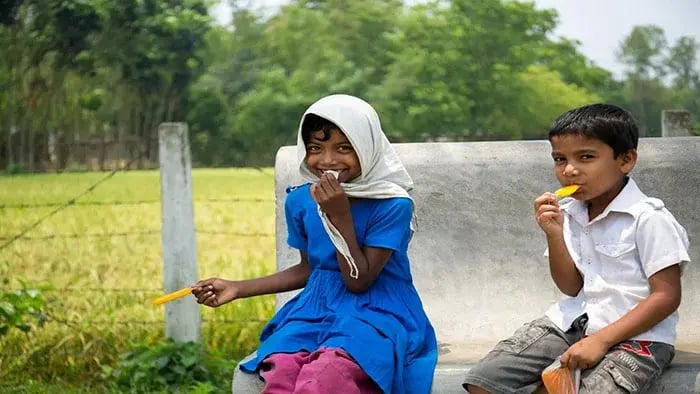
Phosphorus is important for children because it helps bones grow, keeps teeth healthy, produces energy, and supports cell function. Phosphorus-rich foods provide kids with the second most abundant mineral in the human body. Sources of phosphorus in the common Indian diet are adequate to meet daily requirements. Parents often focus on vitamins but minerals like phosphorus are just as vital for development.
What Does Phosphorus Do in a Child’s Body?
Phosphorus is an essential mineral that helps a child's body grow, develop, and function properly. It works with calcium to build strong bones and teeth while supporting the body's ability to convert food into energy. Phosphorus also plays an important role in muscle movement, nerve function, cell growth, and tissue repair. As children grow, their bodies rely on this mineral to support healthy development and maintain normal body functions. Eating a balanced diet that includes phosphorus-rich foods helps meet their daily nutritional needs and supports overall health.
Natural Sources of Phosphorus for Your Kid’s Healthy Diet
Fish and Seafood
Salmon, rohu, catla, sardines, and mackerel are good sources of phosphorus. Seafood is one of the most bioavailable sources of animal-based phosphorus. Fish rich in phosphorus can be cooked as a curry, cutlet or grilled piece. Fish also offers phosphorus for kids, omega-3 fatty acids, and quality protein.
Dairy Products Like Milk, Paneer, Curd, and Cheese
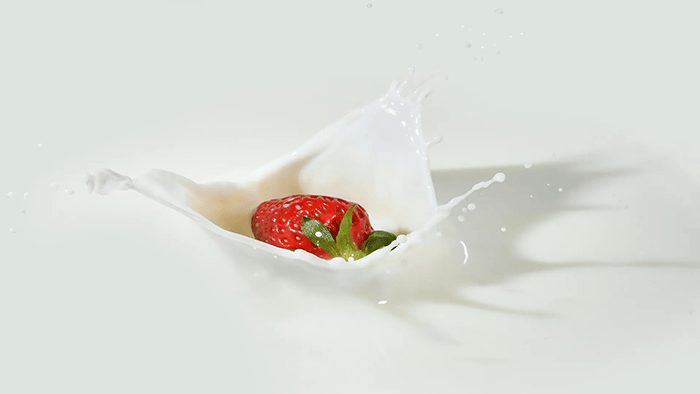
Phosphorus is present in dairy products such as milk, paneer, curd, cheese and lassi. Dairy is a natural source of phosphorus, and one of the most accessible and versatile. Dairy products that are high in phosphorus, along with calcium and vitamin D, help support bone health.
Lentils and Dals
Indian foods rich in phosphorus include toor dal, moong dal and masoor dal. Lentils are a natural, inexpensive, versatile, and readily available source of phosphorus. Dal, rich in phosphorus, can be served as khichdi, dal paratha or dal cheela. Lentils, a good source of phosphorus, are better paired with vitamin C-rich foods such as lemons or tomatoes.
Peas and Beans
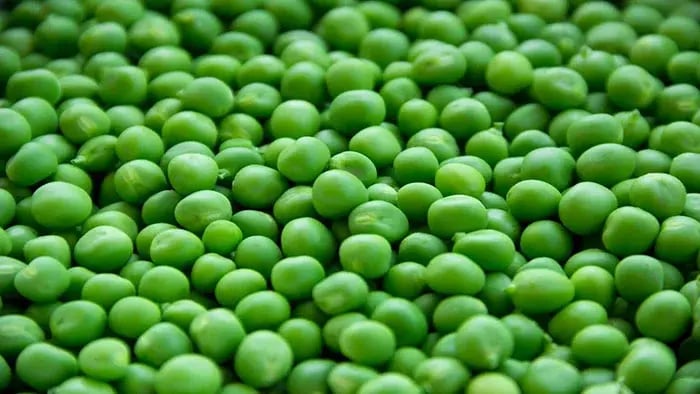
Phosphorus-rich foods from this group include green peas, rajma, chole and mixed beans. Plant-based phosphorus is from natural sources of phosphorus from legumes and it also has fiber and protein. Rajma and chole are two of the most popular staples of Indian family cooking and they are also high in phosphorus. Phosphorus for kids comes via peas in matar paneer, aloo matar, and vegetable dishes.
Eggs and Lean Meats
Non-vegetarian sources of phosphorus include eggs and lean meats, which are good phosphorus-rich foods. Eggs are a low-cost, multi-use, and easy-to-prepare source of natural phosphorus for everyday use. Chicken, turkey, and eggs are high in phosphorus and provide complete protein and are foods to consider. Kids can get phosphorus from eggs in the form of boiled eggs, omelettes, or egg toast.
Nuts and Seeds
Nuts and seeds are sources of phosphorus-rich foods, such as almonds, pumpkin seeds, and sesame seeds. Phosphorus is found in highly concentrated, nutrient-dense natural sources such as seeds. Younger children can have the meal ground up with nuts, which are high in phosphorus. Til laddoos, chikki, and roasted snack mixes are served through seeds for kids’ phosphorus.
Whole Grains and Oats
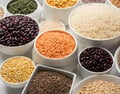
Phosphorus is abundant in grains like oats, brown rice, whole wheat, and millets. Whole grains are a natural source of phosphorus, fiber, and sustained energy. Good foods high in phosphorus to add to your daily diet are oats porridge, whole wheat roti and dalia. The best way for kids to get phosphorus is with whole grains and protein-rich foods.
Foods High in Phosphorus: Simple Meal Ideas for Children
Lunch and Dinner Ideas
Dal-rice, rajma-chawal, and paneer sabzi are rich in phosphorus. Dinner: Fish curry with rice, peas, pulao, and dal khichdi are rich in phosphorus. The main meals provide the greatest contribution of phosphorus from natural sources to daily needs. Dal and whole-grain roti are the best source of phosphorus for kids through lunch and dinner.
Snack Ideas
Roasted makhana, yogurt bowls, and cheese toast are some of the phosphorus-rich foods to snack on. Homemade cutlets, chilla, and nut-based additions in snack format are also phosphorus-rich foods. Natural sources of phosphorus in snacks are suitable for all ages, provided textures are prepared with care. Kids’ snacks rich in phosphorus are most effective when paired with fruits or vegetables.
How Much Phosphorus Do Kids Need?
The required daily amount of phosphorus varies greatly with the age of the child. As they grow through adolescence, parents need to increase the amount of phosphorus-rich foods. Usually balanced meals from natural sources of phosphorus meet daily needs without supplements. Parents are advised to consult a pediatrician or dietitian for individualized phosphorus targets for kids. Eating phosphorus-rich foods from whole foods is still the safest and most effective daily approach.
Can Kids Have Too Much Phosphorus?
Be Careful With Processed Foods With Added Phosphates
Some processed foods high in phosphorus include packaged meats, some soft drinks, and snacks. Phosphate additives are frequently used in processed foods to increase the phosphorus content above what is naturally found. Phosphate-enhanced processed food products are always worse than natural sources of phosphorus.
Speak to a Doctor If Your Child Has Kidney Concerns
Dietary management of phosphorus for children with kidney problems is medical and individualized. You need to watch very closely foods that have a lot of phosphorus for children with kidney problems. Foods high in phosphorus are generally safe to eat. But kidney disease changes the body's handling of phosphorus significantly. On a case-by-case basis, natural sources of phosphorus should be considered for children with any medical conditions.
Signs Your Child May Not Be Getting Enough Key Minerals
Low Energy or Weakness
Kids not getting enough phosphorus may show unexplained weakness or low energy. All body cells require phosphorus-rich foods to support ATP production. If kids feel tired all the time with no apparent reason, then you should look at natural sources of phosphorus. If you’re low in phosphorus, eating phosphorus-rich foods with your meals may help boost your energy.
Poor Appetite or Growth Concerns
If your child has a poor appetite or you have unexplained concerns about growth, have his phosphorus intake checked. Foods high in phosphorus support cell growth, tissue development, and overall physical growth. A pediatrician should evaluate growth measurements along with natural sources of phosphorus. The increase in phosphorus-rich foods should not be done arbitrarily, but only under the guidance of a nutritionist.
Bone or Teeth Concerns
Children who don’t get enough phosphorus can develop fragile bones and dental problems. Phosphorus-rich foods, along with calcium-rich foods, support strong bones and dental health. Natural sources of phosphorus are best for bone health when vitamin D is also adequate.
Tips to Add Phosphorus-Rich Foods to Your Child’s Diet
Keep Meals Balanced Instead of Focusing on One Mineral
Phosphorus-rich foods should be served with calcium, protein, vitamins, and other minerals. The best natural sources of phosphorus are part of a completely balanced nutritional approach. Foods high in phosphorus alone cannot meet all of their daily developmental nutritional needs. Phosphorus for children is best when the overall diet is varied, whole-food-based, and balanced.
Use Familiar Foods in New Ways
Phosphorus-rich foods are best accepted when incorporated into already-loved familiar formats. You can add peas easily to poha and fried rice as natural sources of phosphorus. Paneer is high in phosphorus and can be added to parathas, wraps, and bhurji. Dal is a good source of phosphorus for kids and can be added to soups, dips, and rice mixes.
Avoid Forcing Foods Your Child Dislikes
Phosphorus-rich foods they reject should be introduced slowly, without force or pressure. There are sufficient food groups with adequate sources of phosphorus to allow substitution. It was necessary to repeatedly offer foods high in phosphorus in small portions before drawing conclusions. If certain foods are repeatedly refused, alternative foods can provide the phosphorus children need.
Adjust Food Choices Based on Age and Chewing Ability
Phosphorus-rich foods should always be offered in age-appropriate textures and portion sizes. Natural sources of phosphorus from nuts and seeds are suitable for younger children when ground or powdered. Fish with high phosphorus content must be carefully deboned for the safety of young children. Phosphorus in very young children must be given in preparations of a soft, safe texture.
Conclusion: Build a Balanced Diet With Natural Phosphorus-Rich Foods
Phosphorus-rich foods support growth, bone health, energy, and cell development. Daily phosphorus consumption from natural sources in Indian kitchens is entirely possible. Phosphorus-rich foods need to be included in all meals, not just as a focal point. A balanced, whole-food, diverse diet is the best way to meet kids' daily phosphorus needs.
Frequently Asked Questions
What are phosphorus-rich foods for kids?

Foods rich in phosphorus for them include dal, dairy, fish, eggs, nuts, and whole grains. Rajma, curd, paneer, and millets are the natural sources of phosphorus in Indian kitchens.
Why is phosphorus important for children?
Phosphorus for children helps build bones, teeth, energy, and cell function. Foods high in phosphorus provide the body with the second most abundant essential mineral.
What are the best natural sources of phosphorus?
Phosphorus naturally occurs in dairy, fish, lentils, eggs, and whole grains. Phosphorus-rich foods are seeds such as pumpkin and sesame. They are a concentrated source of phosphorus.
Which foods are high in phosphorus?
Phosphorus is present in milk, curd, paneer, dal, eggs, fish, and pumpkin seeds. Foods high in phosphorus, such as oats, brown rice, and whole wheat, are also great foods.
Are dairy products good sources of phosphorus?
Yes, dairy is one of the best natural sources of phosphorus they have. Phosphorus-rich dairy foods are milk, curd, paneer, cheese, and yogurt. High-phosphorus dairy foods also provide calcium and protein for bone health.
Can too much phosphorus be harmful for kids?
Healthy children are unlikely to get too much phosphorus from natural sources of phosphorus-rich foods. Whole-food phosphorus from natural sources is absorbed and regulated by the body.
Should parents give phosphorus supplements to children?
For kids, phosphorus is almost always fully covered by meals based on balanced, whole foods consumed daily. Indian cooking is rich in phosphorus-rich foods and does not require supplementation.
Smriti is a content writer who creates clear, practical, and informative content backed by science and relevant data. With a strong understanding of structured writing, she breaks down complex topics into simple, actionable insights. Her work is focused on helping readers prepare, learn, and grow with confidence and clarity.
The views expressed are that of the expert alone.
Popular Topics