




 Parenting Guide


 Child Health & Growth


 Learning & Skills Development


 Food & Nutrition


 Bournvita






Introduction
Winter months often bring longer indoor hours, shorter daylight, and fewer outdoor play options for kids. As a result, screens easily become the most convenient form of entertainment. While devices can be useful, excessive screen time during winter can quietly replace movement, creativity, and meaningful family interaction. This is why reducing screen time in winter needs thoughtful, practical alternatives that fit naturally into everyday life.
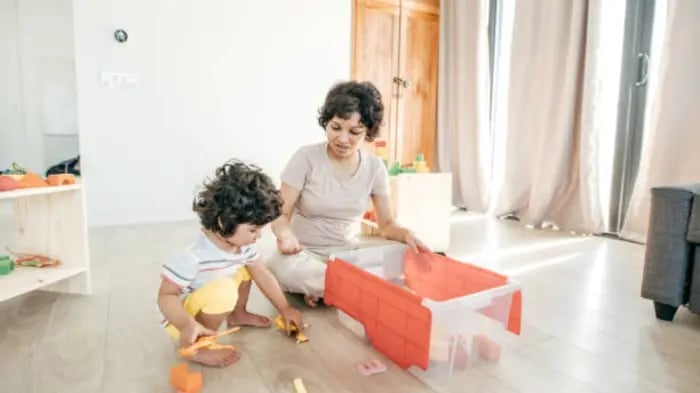
Fun indoor activities and simple household chores can play a powerful role here. When children are engaged in age-appropriate tasks at home, screen time declines without coercion or constant reminders. Helping set the table, sorting laundry, watering plants, or organizing toys may seem small, but these activities keep kids active, engaged, and mentally stimulated. They also build responsibility and confidence over time. Simple creative activities such as drawing, building with blocks, storytelling, or puzzle-solving further support focus and imagination without relying on screens.
Winter routines also affect sleep, energy levels, and attention. Reducing screen exposure, especially in the evening, supports better sleep quality, which helps kids stay alert and emotionally balanced during the day. Research shows that less screen time before bed supports natural melatonin release, helping kids fall asleep more easily.
Parents play a key role by presenting these alternatives as normal parts of daily life rather than restrictions. When fun tasks and small responsibilities are introduced positively, children naturally choose them. Over time, these habits create a healthier indoor routine in which screens no longer dominate winter days and kids stay active, engaged, and content indoors.
7 Simple Indoor Alternatives That Naturally Reduce Screen Time in Winter

Reducing screen time in winter is most effective when screens are replaced with meaningful, engaging alternatives, not just rules. Cold weather keeps children indoors for longer hours, making screens an easy default. This is where parents can gently reshape daily routines. Fun indoor activities and age-appropriate house chores give kids a sense of purpose while keeping minds and bodies active. These alternatives do more than fill time—they build independence, responsibility, creativity, and focus. Studies show that hands-on activities improve attention span and reduce restlessness, especially during seasons with limited outdoor play.
Helping with Kitchen Prep
Involving kids in simple kitchen prep is an effective way to reduce screen time in winter. Parents can assign age-appropriate roles like washing vegetables, mixing batter, peeling garlic, or setting ingredients on the counter. These tasks improve hand coordination and build confidence. Warm kitchens naturally attract kids during winter, making this a comforting alternative to screens. Children who help prepare meals are more likely to eat a balanced diet and try new dishes. Parents can turn this into a daily routine before dinner, creating screen-free engagement that feels productive rather than restrictive.
Organizing Toys and Books
Organizing toys, books, or school supplies provides kids with a calming indoor activity that reduces screen time. Parents can break tasks into short sessions, such as sorting toys by type or arranging books by size or subject. Clean spaces also reduce mental clutter, which supports emotional regulation during long winter days indoors. Parents can make it enjoyable by adding music or turning it into a timed challenge. This habit teaches responsibility without pressure and helps kids understand that contributing to the home is a normal part of daily life.
Laundry Sorting and Folding
Laundry tasks are excellent indoor alternatives to screen time in winter. Kids can help sort clothes by colour, pair socks, or fold simple items like towels. Parents can explain why sorting matters and introduce basic logic concepts. Research shows that children who participate in household chores develop stronger self-esteem and greater independence. Winter evenings are ideal for these tasks, replacing idle screen scrolling with meaningful participation. Over time, kids begin to view chores as normal responsibilities rather than interruptions.
Creative Craft Corners
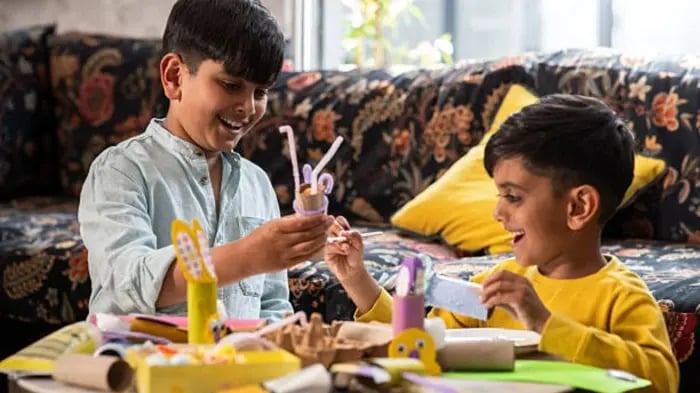
Setting up a small craft corner encourages kids to explore creativity without screens. Activities such as drawing, paper folding, clay modelling, or greeting card making keep hands busy and minds engaged. Parents can rotate materials weekly to maintain interest. When parents display finished artwork at home, children feel valued and motivated to return to creative play rather than screens.
Helping with Daily Planning
Kids can help plan parts of the day, such as choosing clothes for the next morning or listing homework tasks. Parents can involve kids in writing simple to-do lists or drawing daily schedules. This builds time awareness and responsibility while reducing reliance on screens. Winter routines often feel long and unstructured, so planning provides children with clarity and control.
Indoor Movement Break Tasks
Simple, movement-based chores such as watering plants, wiping tables, or rearranging cushions keep children physically active indoors. Parents can encourage short bursts of activity between study or play sessions. These small movements help circulation and reduce restlessness caused by prolonged sitting. Even light activity supports mood balance during winter. Parents who model these habits show kids that staying active indoors is part of daily life, not a forced routine.
Family Story and Conversation Time
Designated story or conversation time helps reduce screen use naturally. Parents can encourage kids to narrate their day, tell made-up stories, or read aloud. This builds language skills and emotional expression. Winter evenings are ideal for these quiet, bonding moments. Regular family conversations improve focus and emotional security in children. When kids feel heard and engaged, screens lose their appeal.
Conclusion

Reducing screen time in winter is easier when parents replace screen time with purposeful indoor activities rather than imposing strict limits. Simple chores, creative tasks, and shared routines keep kids active, confident, and emotionally balanced during colder months. These habits do not require expensive tools or strict schedules—just consistency and encouragement. Over time, kids learn to choose engagement over screens, building healthier routines that last beyond winter.
Her love for storytelling began with reading her grandfather’s speeches, where Tarishi saw the power of words in creating lasting memories. Combining her passions for food and writing, she has turned her life into a fulfilling path of sharing stories that celebrate flavours and how food brings communities together.
The views expressed are that of the expert alone.
Popular Topics