




 Parenting Guide


 Child Health & Growth


 Learning & Skills Development


 Food & Nutrition


 Bournvita





Introduction
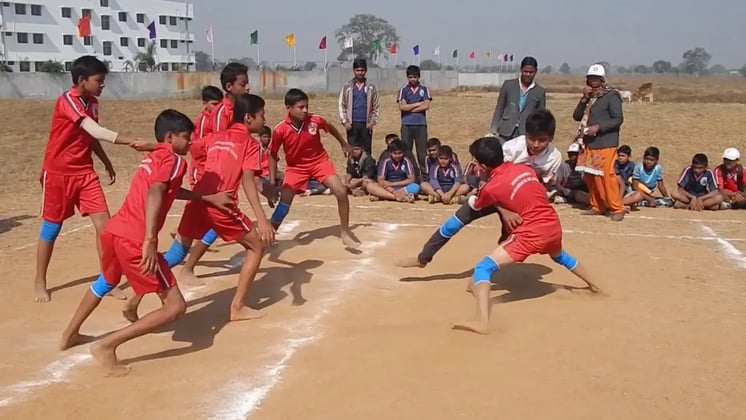
India has a rich cultural heritage that includes many timeless play activities enjoyed by generations of children. Several traditional games of India such as chess and snakes and ladders are believed to have originated here and later became popular around the world. These games were once a natural part of daily childhood routines, encouraging outdoor play, teamwork, and creative thinking. However, changing lifestyles and increasing screen time have slowly reduced the presence of such meaningful activities in everyday life. Reviving these Indian originated games can help bring back joyful learning experiences that support both physical health and emotional well-being.
Exploring different traditional games of India with names also allows your kids to stay connected with cultural values while building useful life skills. Simple group activities like kabaddi, kho-kho, gilli danda, and indoor board games help improve coordination, patience, and social interaction. Including these Indian games for kids in school events, family gatherings, or weekend playtime can encourage active habits and reduce boredom. Even small efforts like teaching one traditional game name each week can help create fun bonding moments and support balanced development.
This guide takes you through the history, basic rules, and benefits of popular traditional games of India, helping you rediscover playful traditions that promote fitness, confidence, and joyful childhood memories.
Why Traditional Games Matter Today
Reintroducing traditional games of India in daily routines can support balanced childhood development in a simple and enjoyable way. These time-tested activities encourage movement, creativity, and meaningful social interaction. Including familiar Indian games for kids during playtime or school activities can help build healthier habits while keeping cultural traditions alive.
Physical Fitness and Active Stamina
Outdoor traditional games of India with names such as kabaddi or kho-kho naturally involve running, jumping, and quick reflexes. According to a study published in J Ayurveda Integr Med. 2023, these movements help improve stamina, muscle strength, and overall coordination. General physical education research highlights that regular active play supports cardiovascular health and healthy weight management in growing children.
Cognitive Development and Strategic Thinking
Many Indian originated games require planning, observation, and quick decision-making. According to ISTI, board games like chess or snakes and ladders help improve focus, patience, and logical reasoning. Practicing one traditional games name regularly can strengthen concentration skills that also support academic learning.
Social Skills and Teamwork Values
Group-based traditional games of India encourage cooperation, communication, and empathy. According to the National Skill Development Mission, playing together helps your kids learn fair play, respect for rules, and shared responsibility. Such interactive experiences promote emotional confidence and stronger friendships while reducing excessive screen dependence.
Popular Outdoor Traditional Games
Outdoor traditional games of India have been an important part of childhood play for generations. These energetic activities combine cultural heritage with physical movement, helping your kids develop strength, coordination, and teamwork. Learning different traditional games of India with names can make playtime more engaging while promoting healthy outdoor habits.
Kabaddi
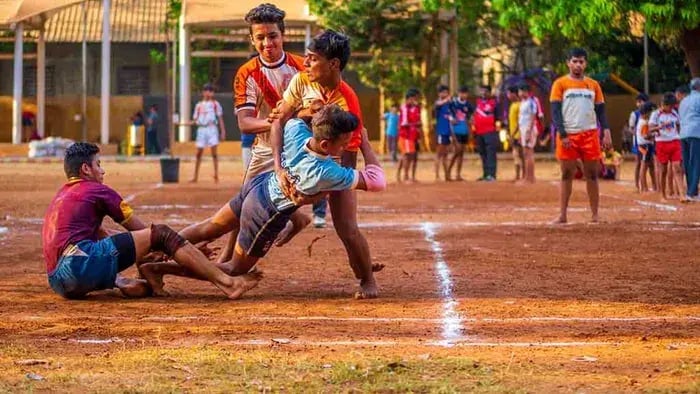
Kabaddi is believed to have ancient roots in rural India and is now played at national and international levels. In this Indian originated game, one player from the raiding team enters the opponent’s half while chanting “kabaddi” continuously and tries to tag defenders before returning safely. Official rules and formats are recognized by organizations such as the Kho Kho Federation of India and Kabaddi federations, ensuring structured gameplay.
Kho-Kho
Kho-kho is a fast-paced chasing game that originated in Maharashtra and is widely played in schools. Players sit in a line while the chasing team runs to tag opponents within a time limit. This exciting traditional games name builds reflex speed, teamwork, and directional awareness. Guidance from recognized sports bodies helps standardize rules and improve sportsmanship values.
Gilli Danda
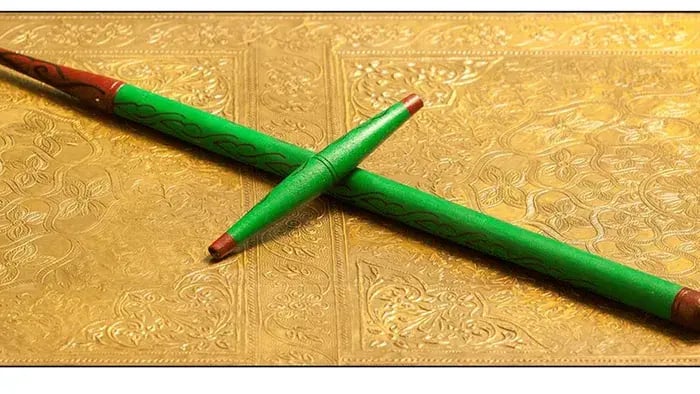
Gilli danda is a bat-and-stick game played in open spaces, where players strike a small wooden stick (gilli) using a longer stick (danda) to send it flying. This classic Indian games for kids improves hand-eye coordination, balance, and timing skills.
Safety First: Playing in open grounds and using smooth, lightweight sticks can help reduce injury risks during energetic play.
Lagori (Seven Stones)
Lagori, also known as seven stones, involves knocking down a stack of flat stones with a ball and then rebuilding the pile before being tagged by the opposing team. This lively traditional games of India enhances aim, teamwork, and quick decision-making. It also encourages group coordination and active outdoor participation.
Hopscotch (Nondi)
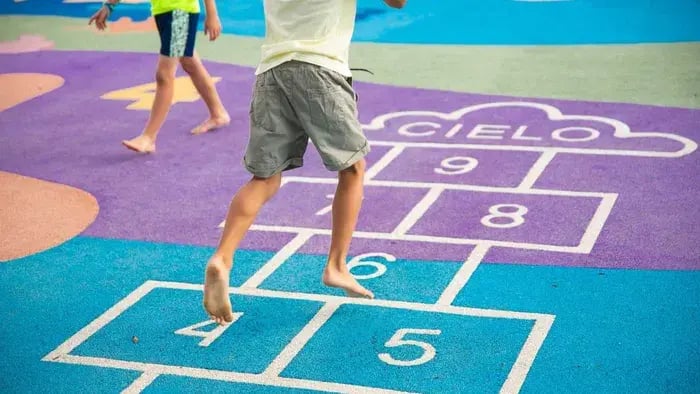
Hopscotch, called nondi in some regions, is played by hopping through numbered squares drawn on the ground. Players balance on one foot while tossing and retrieving a marker. This simple traditional games of India with names supports balance, body control, and counting skills, making it suitable for younger children.
Kancha (Marbles)
Kancha or marble games have been popular in Indian neighborhoods for decades. Players flick small glass marbles to hit target marbles within a marked circle. This quiet yet competitive Indian originated game helps improve focus, finger coordination, and patience. It also encourages friendly social interaction.
Mallakhamb
Mallakhamb is a traditional Indian sport that combines yoga, gymnastics, and strength training performed on a wooden pole or rope. Originating from Maharashtra, this visually striking traditional games name builds flexibility, core strength, and body control. Practicing under trained supervision helps your kids learn discipline and physical confidence safely.
Classic Indoor & Board Games
Indoor traditional games of India have long been valued for building patience, strategy, and meaningful family bonding. These thoughtful activities allow your kids to learn problem-solving and cultural values while enjoying relaxed playtime. Exploring different traditional games of India with names can help revive interest in heritage-based learning and balanced screen-free recreation.
Pachisi (Chaupar)
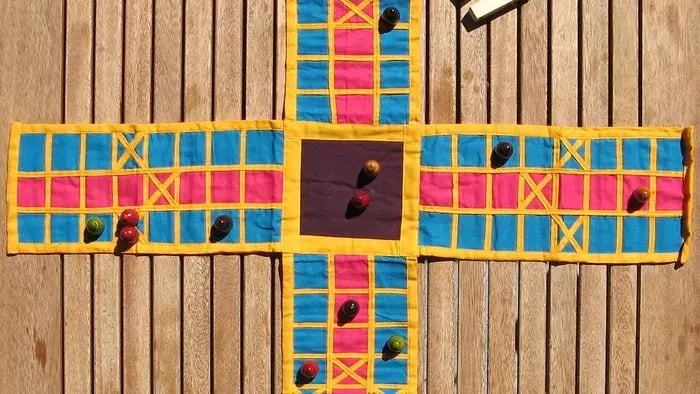
Pachisi, also known as chaupar, is an ancient cross-and-circle board game believed to have royal patronage in medieval India. Historical references to similar dice games appear in epic literature such as the Mahabharata, highlighting their cultural relevance. Players move tokens based on dice throws and strategic decisions.
Chaturanga (Ancestor of Chess)
Chaturanga is widely considered the earliest form of modern chess and is believed to have originated in India around the 6th century. The game represented divisions of the ancient army, infantry, cavalry, elephants, and chariots. Playing this classic traditional games name strengthens logical reasoning, foresight, and analytical thinking, supporting cognitive development in growing children.
Snakes and Ladders (Moksha Patam)
Originally known as Moksha Patam, this game was designed as a moral teaching tool in ancient India. Ladders symbolized virtues like kindness and truth, while snakes represented negative habits such as greed or dishonesty. These culturally meaningful traditional games of India helps your kids understand ethical lessons in a playful format while practicing counting and turn-taking skills.
Pallanguzhi
Pallanguzhi is a traditional South Indian mancala-style board game played using shells, seeds, or small stones. Players distribute counters across carved pits on a wooden board following specific rules. This engaging Indian games for kids enhance concentration, mathematical thinking, and fine motor coordination while promoting calm indoor interaction.
Antakshari
Antakshari is a musical word game commonly played during family gatherings or travel. Players sing songs starting with the last letter of the previous song. This lively traditional games of India with names encourages memory recall, language skills, and confidence in group participation while keeping cultural music traditions alive.
Lattu (Spinning Top)
Lattu involves spinning a wooden top using a wrapped string and observing whose top spins the longest. This simple yet fascinating Indian originated game helps develop hand control, timing, and observational skills. Playing lattu outdoors or in open indoor spaces can also encourage curiosity about traditional toys and mechanics.
Frequently Asked Questions
What is the national game of India?

India currently does not have an officially declared national game. Hockey is often popularly believed to hold this status due to historical success, but no sport has been formally designated. However, many traditional games of India like kabaddi and kho-kho continue to hold strong cultural importance.
Which game originated in India?
Several well-known Indian originated games began in India, including chess (from the ancient game Chaturanga) and snakes and ladders (originally called Moksha Patam). These classic traditional games of India with names later spread worldwide and became popular educational and strategic games.
What are the benefits of traditional games?
Playing traditional games of India helps improve physical fitness, concentration, teamwork, and cultural awareness. These activities support stamina, quick thinking, and social bonding. Including such Indian games for kids in daily routines can encourage active lifestyles and reduce excessive screen time habits.
How many players are in a Kabaddi team?
A standard kabaddi team consists of seven players on the field at a time, along with additional substitutes. This structured team format helps maintain fair play and organised competition in one of the most popular traditional games name activities played across India.
Kaushiki Gangully is a content writing specialist with a passion for children's nutrition, education, and well-being. With more than five years of writing experience and a science-based background, she provides nuanced insights to help families raise happy, healthy kids. Kaushiki believes in making learning and healthy eating fun, empowering parents with practical, easy advice.
The views expressed are that of the expert alone.
Popular Topics