




 Parenting Guide


 Child Health & Growth


 Learning & Skills Development


 Food & Nutrition


 Bournvita






Introduction
Brain development means the formation of cognitive skills such as the ability to think creatively, solve problems, and analyze situations. It is necessary for kids as it lays down a foundation for proper learning to follow in upcoming years. Hence, brain development and physical growth work together to ensure that a child performs well in academics and extracurricular activities to become a more confident individual.
While there are a lot of activities that stimulate brain development, games can be an extremely entertaining method to keep the kids engaged while also strengthening their brain development. These games are designed in a way that makes a child think more dynamically and holistically. Such games can be instrumental measures for parents and teachers to work on a child's cognitive development unconventionally. Some examples of such games include, sudoku, puzzles, crosswords, and tic-tac-toe.
Why Brain-Boosting Games are Essential for Your Child
Playing IQ Games for kids helps their brains grow by improving their memory, attention, and logical thinking. These activities help the brain learn how to process information more quickly, which makes learning easier in everyday situations. Playing mind development games on a regular basis also helps kids become better at solving problems by getting them to think through problems instead of acting right away. This helps people become more confident and able to make their own decisions over time. Kids' brain development games that are structured help kids learn and have fun at the same time. This makes it easier for them to stay interested without feeling overwhelmed. The National Council of Educational Research and Training states that play-based cognitive activities help kids think more clearly and grow intellectually.
Types of Mind Development Games by Age Group
Games for Toddlers (Ages 1-3)
| Game Type | Examples | Benefits |
| Sensory play | Stacking rings, soft blocks | Improves hand control, supports early motor coordination |
| Recognition games | Shape sorters, color matching | Builds visual identification, introduces basic categorization |
| Simple puzzles | Large-piece puzzles | Encourages problem-solving through trial and observation |
Games for Preschoolers (Ages 3-5)
| Game Type | Examples | Benefits |
| Memory games | Card matching (Mind Games for 4-Year-Olds) | Strengthens recall ability, improves attention span |
| Pattern activities | Bead threading, sequencing tasks | Develops logical thinking, supports pattern recognition |
| Role-based games | Pretend play setups | Enhances imagination, improves social understanding |
Games for Young Children (Ages 6+)
| Game Type | Examples | Benefits |
| Strategy games | Chess, board games (Mind Games for 8-Year-Olds) | Builds planning skills, improves decision-making |
| Number-based games | Math puzzles, Sudoku | Enhances numerical reasoning, strengthens problem-solving |
| Logic games | Riddles, brain teasers | Improves analytical thinking, supports cognitive flexibility |
10 Best Mind Development Games You Can Play Today
For parents looking for interesting mind games that enhance cognitive development among kids, here are some great options.
1. Jigsaw Puzzles
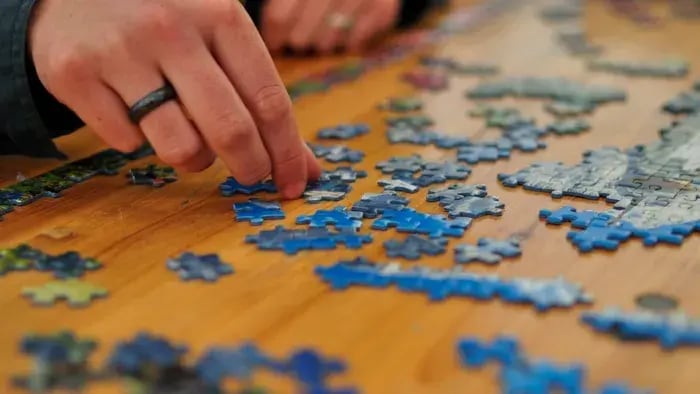
Jigsaw puzzles are a very famous and conventional method of enhancing problem-solving skills among kids. This helps in improving hand-eye coordination while also making a child work on their ability to strategize a problem in mind while simultaneously solving it. Parents can get their children some basic-level puzzles for beginner levels and then start getting harder puzzles once the kids get accustomed to solving the easier ones.
2. Solving Mazes
Mazes are designed in a way that they encourage a kid to think more strategically and consider all the options before making a final decision. It makes the child a prudent thinker because one wrong move can spoil everything. To solve a maze, a child doesn't have to get into a maze, as there are a lot of in-book mazes that children can solve with the help of pens and pencils. Parents can get their children a maze book. You will see that your child will become better at solving mazes with more practice. It can also enhance the spatial understanding of a child.
3. Chess

Chess is a mentally stimulating game that requires the child to keep in mind the game rules while making the best move possible. It requires one to contemplate mindfully before making a move. Also, one has to constantly think creatively and get out of traps set by the opponent. Engaging children in playing chess from an early age can make them very good at problem-solving and making mindful decisions. Since it requires such precision, the child also becomes more detail-oriented.
4. Memory Matching Games
To promote brain development, it is important to ensure that the brain body works cohesively. This game ensures that a child listens and processes the information to move the body accordingly. To play this game, parents have to arrange for an open space. Make the child stand and tell them to stand up and sit down. Listening to your command, the child will have to do as you say. Now switch off your command by saying stand up and sit down and random murders to see if the child is following this accurately or not.
5. Sudoku for Kids
Sudoku is a fun IQ game for kids that helps kids improve their ability to recognize patterns and put things in order. It helps you stay focused by teaching your brain how to organize information in steps. It also helps kids learn to be patient and think logically when they are trying to solve problems.
6. Storytelling Prompts
One-word story is a very creative game in which you must give a cue to the child in the form of a single word. This cue can be a park, a princess, a dragon, a pirate, a doctor, or anything for that matter. Now the child has to develop a story spontaneously around that particular word. This enhances spontaneity and creative thinking among children and pushes them to develop something authentic. You may also help your child a bit during the process to make it easier and give them a push.
7. Building Blocks & STEM Toys
Building blocks and STEM toys help kids' brains grow by making them more aware of space and allowing them to build things in creative ways. Kids learn how to plan better by figuring out how different parts fit together. These activities also encourage kids to try new things, which helps them learn about cause and structure by doing things themselves.
8. Logic Puzzles
Logic puzzles are IQ games for kids that are set up in a certain way and need reasoning to solve. These tasks help kids think more analytically by making them look at different options. They also help with concentration by making you pay close attention to details, which is part of mind development games.
9. "I Spy"
If you want to see your child play a highly interesting and suspenseful game, then this is surely the one. The game requires at least 4 to 5 participants. Now prepare as many chits as kids are participating. Each chit will have the same word except for one. The word could be anything ranging from the name of a person, country, fruit, color, vegetable, or actor.
Now, each person has to say a clue that aligns with the word that they have got. For example, for the word banana, the child can say it is a fruit. Now everyone will take turns to say a clue of their own. The job of the impostor who has got a different word is to strategically say something that doesn't get them caught. In the end, each child has to guess who the impostor is and the one who gets the highest vote is voted out. Now, if the real imposter is saved, then the impostor ends up winning.
10. Strategy Board Games
Mind games for 8-Year-Olds includes strategy-based board games that teach kids how to plan and make choices. Every move requires you to think ahead about what will happen, which makes your logical thinking stronger. These brain development games for kids also help them be more patient and flexible when they play with others.
The Best Online Brain Training Apps for Kids
- Virtual chess apps fall under IQ games for kids because they train planning skills and forward thinking. These mind development games also improve decision-making by teaching children to evaluate moves carefully.
- Memory-based matching apps support kids' brain development games by strengthening recall ability and attention span. Repeated practice helps children recognize patterns faster, which improves overall cognitive processing.
- Puzzle-solving apps focus on patterns and logic, making them effective mind games for 4-year-olds. These activities help children understand relationships between shapes or sequences while improving problem-solving skills.
- Math-based apps develop numerical reasoning through structured challenges within mind development games. They improve calculation speed and logical thinking by encouraging children to solve problems step by step.
- Interactive problem-solving apps promote structured thinking in mind games for 8-year-olds. These apps guide children through tasks that require analysis, which strengthens independent decision-making and cognitive flexibility.
Conclusion
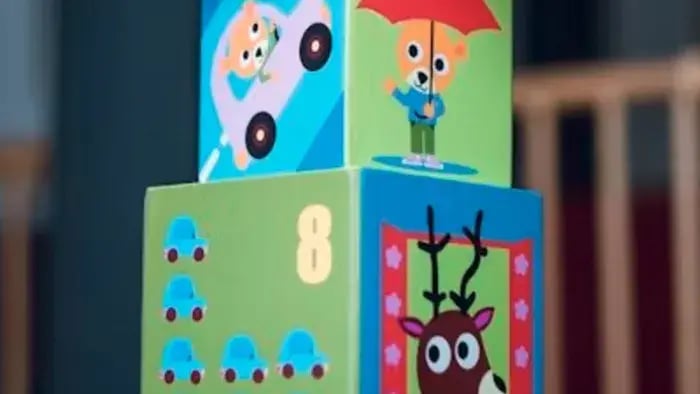
Playing all these mind-development games regularly can help children sharpen their brains and their ability to think more creatively. These are also such interesting ways of fascinating the children and keeping them engaged while also working on their cognitive development.
Frequently Asked Questions
At what age should I introduce mind games to my child?

One can start playing IQ games for kids as early as three years old by doing simple sorting, matching, or pattern-based activities. These early mind development games help kids learn basic logic and improve their observation skills without putting them under pressure or setting strict expectations.
How much time should my child spend on brain training games?
Kids' brain development games usually work best when played for 20 to 30 minutes a day. This helps kids stay focused without getting tired. Short, regular sessions keep kids interested while giving them time to play and be active.
Are video games effective for mind development?
When used wisely, some digital mind games for 8-year-olds can help kids make decisions faster and react faster. But physical mind games for 4-year-olds are more engaging because they help kids learn and grow mentally over time.
Pakhi writes with the belief that dessert isn’t just a dish—it’s a mood. Her work blends storytelling with tips, turning timeless treats and trendy bites into accessible moments of comfort, celebration, and creative expression.
The views expressed are that of the expert alone.
Popular Topics