




 Parenting Guide


 Child Health & Growth


 Learning & Skills Development


 Food & Nutrition


 Bournvita




Introduction
Low energy, poor appetite, or difficulty concentrating can sometimes make you wonder whether your kids are getting the right nutrients every day. According to research one important group of nutrients to pay attention to is the sources of vitamin B complex, which includes eight different B vitamins that support energy, brain function, healthy skin, and overall growth. These vitamins work together to help the body use food properly and maintain healthy development during childhood. Understanding the right vitamin B complex food sources can make it easier to plan balanced meals for your kids.
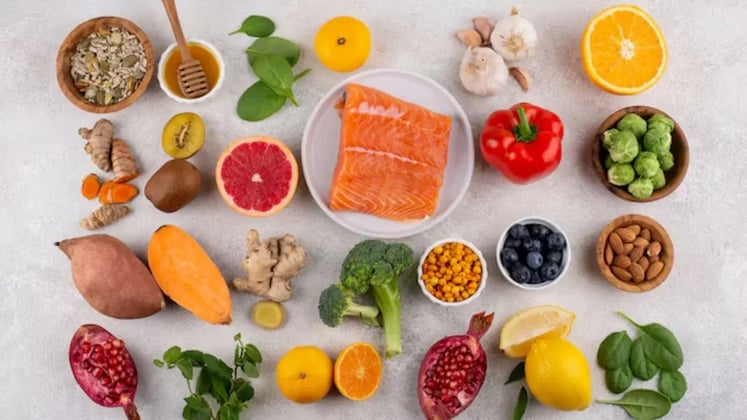
Many everyday foods naturally provide these important nutrients. Whole grains, dairy products, eggs, pulses, nuts, and green vegetables are all common B complex foods that can be included in breakfast, lunch, or snacks. Fruits like bananas and oranges also contribute as useful b complex fruits, while leafy greens and peas are good examples of vitamin B complex vegetables. Adding such foods regularly can help support better stamina, focus, and healthy growth.
This guide explains the complete b complex foods list, the benefits of each vitamin, and the signs that may suggest a deficiency. You will also find simple ideas for including more B complex food items in everyday meals so your kids can enjoy balanced nutrition in a practical and child-friendly way.
What is Vitamin B Complex & Why Do Kids Need It?
Vitamin B complex is a group of important nutrients that support energy, brain development, and healthy growth. Including the right sources of vitamin B complex in daily meals helps your kids stay active, focused, and physically strong. These vitamins work together to support learning, immunity, and overall well-being during growing years.
Vitamin B Complex is a Group of 8 Important Vitamins
Vitamin B complex includes vitamins B1, B2, B3, B5, B6, B7, B9, and B12. according to a study published in Indian J Med Res. 2021, these nutrients work together to support growth, energy, and overall health. Including the right sources of vitamin B complex in meals helps your kids stay active and healthy.
Helps Turn Food into Energy
One of the main jobs of the Vitamin B complex is helping the body use carbohydrates, proteins, and fats properly. Research published in Nutrients. 2022 shows that this is why vitamin B complex food sources are often considered important for steady energy and reducing tiredness.
Supports Brain Function and Concentration
The vitamin B complex benefits for children include better focus, memory, and learning ability. As per a study published in Adv Nutr. 2016 these vitamins support healthy brain function, helping your kids stay attentive during school and daily activities.
Helps Form Healthy Red Blood Cells

Vitamins B6, B9, and B12 help the body make red blood cells, which carry oxygen throughout the body. Research published in Nutrients. 2020 highlights that eating enough b complex foods can support stamina and prevent low-energy feelings.
Supports Growth and Physical Development
Growing children need enough B vitamins for healthy muscles, skin, and body development. According to research published in Cochrane Database Syst Rev. 2022, including a variety of b complex food items such as milk, eggs, pulses, and whole grains helps support proper growth.
Strengthens the Nervous System
Certain B vitamins support healthy nerves and help the body send messages between the brain and muscles. Research published in Nutrients. 2016 highlights that adding vitamin B complex vegetables and B complex fruits to daily meals can help maintain this important function.
7 Best Sources Of Vitamin B Complex-Rich Foods For Your Child's Diet
Including a variety of everyday foods is one of the easiest ways to provide the right sources of vitamin B complex for your kids. These foods support energy, focus, healthy growth, and stronger immunity. Choosing a mix of animal and plant-based options also helps create balanced vitamin B complex foods for vegetarians and non-vegetarian meal plans.
Salmon & Fatty Fish

Salmon, sardines, and mackerel are among the richest vitamin B complex food sources, especially for vitamins B6, B12, and niacin (B3). These nutrients support brain development, energy, and healthy blood formation. Research conducted by Public Health Nutr. 2014 says that fatty fish are also considered among the better vitamin B12 rich foods in India for children who eat non-vegetarian meals. You can make these foods more child-friendly by preparing soft fish cutlets, grilled fish pieces, or mixing shredded fish into sandwiches or rice. Offering small portions once or twice a week can help provide important nutrients without making meals too heavy.
Leafy Green Vegetables (Spinach, Methi)
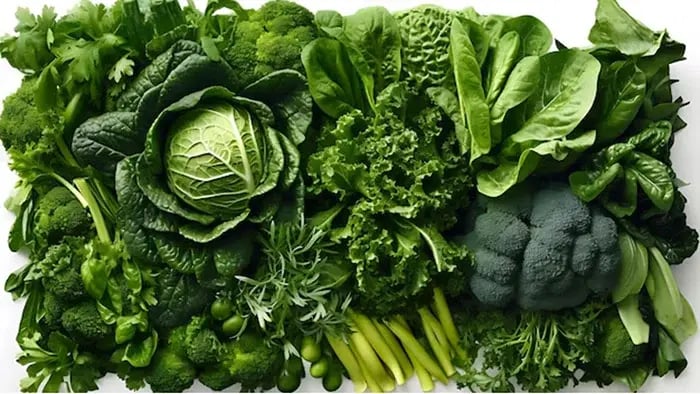
Spinach, methi, and other leafy greens are excellent vitamin B complex vegetables because they contain folate (Vitamin B9), along with smaller amounts of B2 and B6. As per a study published in Adv Nutr. 2019, folate is important for brain development and healthy red blood cells. These greens are useful vitamin B complex foods for vegetarians and can easily be included in parathas, dal, or pulao. If your kids dislike visible greens, you can blend spinach into fruit smoothies, soups, or pasta sauces. This makes it easier to include leafy vegetables regularly without changing the taste too much.
Eggs & Dairy Products

Eggs, milk, curd, paneer, and cheese are useful B complex foods that provide vitamins B2, B5, B7, and especially B12. According to FSSAI, eggs are one of the most practical vitamin B12-rich foods in India because they are easy to prepare and widely available. These foods support healthy nerves, better energy, and stronger muscles. You can make egg bhurji with vegetables, paneer sandwiches, or fruit yoghurt bowls to increase appeal. Including dairy products at breakfast or snack time is a simple way to improve the daily intake of sources of vitamin B complex.
Legumes & Pulses (Dal, Rajma)
Dal, rajma, chana, and moong are among the best vitamin B complex foods for vegetarians because they provide B1, B6, and folate (B9). These nutrients help with concentration, growth, and energy production. According to the study Journal of Food Science and Technology, pulses are also rich in protein, making them an important part of balanced meals. You can serve rajma with rice, make dal parathas, or prepare chana chaat as healthy snacks. Including different pulses through the week ensures a better variety of B complex food items for growing children.
Whole Grains & Fortified Cereals
Whole wheat, oats, brown rice, and fortified breakfast cereals provide B1, B2, B3, and B6. These vitamin B complex foods help the body use food properly for energy and support better focus during school hours. According to the research published in Nutritional and Health Benefits of Nutri Cereals, fortified cereals can be especially useful when you need extra sources of vitamin B complex in quick breakfasts. You can prepare vegetable oats, whole wheat sandwiches, or cereal with milk and fruit. Choosing less processed grains instead of refined options helps maintain higher nutrient value.
Nuts & Seeds
Almonds, peanuts, sunflower seeds, and flaxseeds contain vitamins B1, B3, and B6, making them valuable B complex foods for active children. These foods also provide healthy fats and protein that support energy and brain function. According to FSSAI, nuts and seeds are good vitamin B complex foods for vegetarians because they are easy to include in snacks. You can mix powdered nuts into milk, add seeds to parathas, or prepare homemade trail mix. Small daily portions can support better nutrition and help maintain steady energy levels.
Fruits (Bananas, Citrus)
Bananas, oranges, sweet lime, and other fruits are useful B complex fruits because they contain vitamin B6 and smaller amounts of folate. According to ISTI, these nutrients help support mood, concentration, and healthy blood circulation. Bananas are especially easy to include in breakfast, milkshakes, or evening snacks. Citrus fruits can be served as fruit bowls or fresh juice. Adding these fruits regularly is a simple way to improve the intake of sources of vitamin B complex while also providing natural sweetness and hydration.
Signs of Vitamin B Deficiency in Children
Low intake of important sources of vitamin B complex can sometimes affect energy, mood, appetite, and growth. Recognising early vitamin B complex deficiency symptoms in child can help you support better nutrition before the problem becomes more noticeable. These signs may appear gradually and often improve when meals include more balanced vitamin B complex foods.
Fatigue and Low Energy
One of the most common vitamin B complex deficiency symptoms in child is feeling tired even after proper sleep. According to a study published in Nutrients. 2020, low levels of B vitamins can reduce the body’s ability to turn food into energy. Your kids may seem less active, unwilling to play, or tired during school and sports. This may happen especially when the diet lacks enough b complex foods like eggs, pulses, dairy, or whole grains. Including more vitamin b complex food sources in breakfast and snacks can help improve daily energy and stamina.
Irritability and Mood Changes
Vitamin B complex supports healthy brain and nerve function. When these nutrients are low, your kids may become more irritable, restless, or emotionally sensitive. According to research, mood changes are often linked with low levels of B6, B9, or B12. Such vitamin B complex deficiency symptoms in child may affect confidence, social interaction, and behavior. Adding foods like bananas, leafy greens, milk, and nuts can help support emotional balance naturally.
Cracks at the Corners of the Mouth
Painful cracks or redness at the corners of the mouth may sometimes indicate a lack of vitamins B2 and B3. According to the Journal of Clinical and Diagnostic Research, these visible vitamin B complex deficiency symptoms in child can make eating uncomfortable and may also be accompanied by a sore tongue or dry lips. Including more dairy products, eggs, leafy vegetables, and whole grains can help improve these symptoms. Maintaining good hydration and a balanced diet also supports quicker recovery.
Poor Concentration and Learning Difficulty
Difficulty focusing during schoolwork or forgetting things easily may also be linked with low B vitamin intake. A study published in Neuropsychiatr Dis Treat. 2022 shows that vitamins B6, B9, and B12 help support memory, concentration, and healthy brain development. When the diet lacks enough sources of vitamin B complex, your kids may struggle to stay attentive during class or homework. Adding more b complex food items like fruits, pulses, eggs, and fortified cereals can support better learning and mental performance.
When to See a Doctor
If tiredness, poor appetite, mouth cracks, or concentration problems continue for several weeks, you should consult a pediatrician. Persistent vitamin B complex deficiency symptoms in child may sometimes need medical advice or blood tests. A doctor can guide you about the right diet, supplements, or any underlying cause that may be affecting your kids’ health.
Daily Vitamin B Requirements for Kids (Chart)
The daily need for Vitamin B complex changes with age and growth. Including enough sources of vitamin B complex through meals helps support energy, learning, and healthy development. The following chart is based on general recommendations from organisations such as FSSAI.
| Age Group | Vitamin B1 (mg) | Vitamin B2 (mg) | Vitamin B6 (mg) | Vitamin B12 (mcg) | Folate/B9 (mcg) |
| Toddlers (1–3 years) | 0.5 | 0.5 | 0.5 | 0.9 | 150 |
| Preschool & School-age (4–8 years) | 0.6 | 0.6 | 0.6 | 1.2 | 200 |
| Older Children (9–13 years) | 0.9 | 0.9 | 1.0 | 1.8 | 300 |
| Teens (14–18 years) | 1.1-1.2 | 1.0-1.3 | 1.2-1.3 | 2.4 | 400 |
Including a variety of vitamin B complex foods such as milk, eggs, whole grains, pulses, leafy vegetables, fruits, and nuts can help meet these needs naturally.
Conclusion
Addressing vitamin B complex deficiency in kids starts with being aware of what parents are feeding kids and making sure they are eating balanced diets. Getting a good mix of foods that are rich in vitamin B complex into their meals, like whole grains, milk, eggs, legumes, spinach and salmon.
But with a bit of patience and some proper advice, you can ensure kids get the right amount of vitamin B foods for kids to stay healthy, and support their brains to develop properly.
Frequently Asked Questions
What is the best source of Vitamin B12 for vegetarian kids?

Milk, curd, paneer, and fortified breakfast cereals are among the best vitamin B12 rich foods in India for vegetarian children. These foods provide an easy way to include B12 regularly. Fortified plant-based drinks can also help when natural vegetarian sources are limited.
Can a child take Vitamin B complex supplements?
Vitamin B complex supplements may sometimes be recommended if diet alone is not enough. However, you should always consult a pediatrician before giving supplements. Taking extra amounts without advice may lead to unnecessary intake or mild vitamin B complex side effects such as stomach discomfort or nausea.
How can Vitamin B intake be increased naturally?
The best way for how to increase vitamin B naturally is by offering a varied diet. Including whole grains, dairy products, eggs, pulses, nuts, leafy greens, bananas, and fortified foods regularly helps improve intake. A balanced mix of different vitamin B complex food sources works better than depending on one single food.
Her love for storytelling began with reading her grandfather’s speeches, where Tarishi saw the power of words in creating lasting memories. Combining her passions for food and writing, she has turned her life into a fulfilling path of sharing stories that celebrate flavours and how food brings communities together.
The views expressed are that of the expert alone.
Popular Topics