




 Parenting Guide


 Child Health & Growth


 Learning & Skills Development


 Food & Nutrition


 Bournvita





Introduction
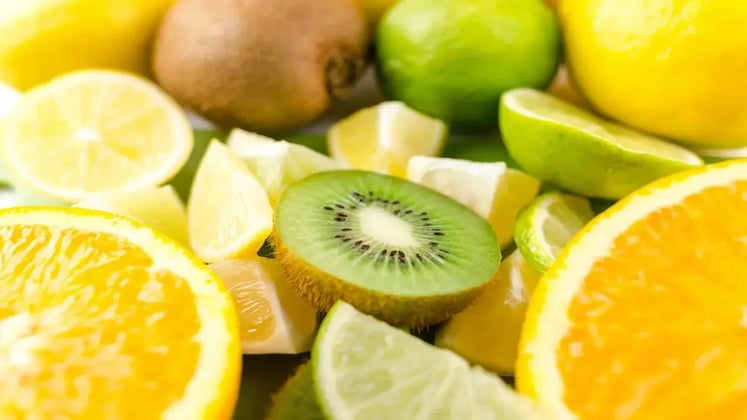
An essential element, vitamin C, is mainly present in fruits and vegetables. You might have noticed that citrus fruits are a powerhouse for vitamin C, as most sour fruits have vitamin C in them because of ascorbic acid. Vitamin C plays a crucial role in the regrowth and development of connective tissues, which bind organs and tissues together, including ligaments, tendons, and blood vessels.
Getting the right amount of vitamin C helps your child’s bones, skin, hair, teeth, and gums and helps the body absorb iron and heal wounds. It is an essential nutrient for healthy growth, and severe deficiency can cause scurvy. It can also cause symptoms like anemia, fatigue, and weakness. Keep reading to know more!
What Is Vitamin C and Why Do Children Need It?
Vitamin C, also called ascorbic acid, is an essential nutrient that supports collagen formation, wound healing, iron absorption, and normal immune function. Children need adequate vitamin C as part of a varied diet to support healthy growth and development.
Benefits of Vitamin C for Children
- Supports immunity: Helps maintain normal immune system function.
- Supports growth: Helps produce collagen needed for healthy skin, bones, and tissues.
- Improves iron absorption: Helps the body absorb iron from plant-based foods.
- Supports wound healing: Contributes to normal collagen formation and tissue repair.
- Provides antioxidant protection: Helps protect cells from oxidative damage.
Vitamin C Foods To Add To Your Kids' Diet
Guava

Guava is a sweet, soft fruit that can be an easy and enjoyable way to add more vitamin C to your child’s diet.
- Nutrition Highlight:Guava is particularly rich in vitamin C and also provides dietary fibre and other essential nutrients.
- Serving Ideas:Serve it fresh and sliced, add it to fruit bowls, or blend it into smoothies for a refreshing snack.
Orange
Orange is a refreshing citrus fruit that works well as a breakfast or snack option and is generally easy for children to enjoy.
- Vitamin C Benefits:Oranges are rich in vitamin C, which supports normal immune function and helps the body absorb iron from plant-based foods.
- Serving Ideas:Serve peeled orange segments, add them to fruit salads, or prepare fresh orange juice without added sugar.
Red Bell Pepper

Red bell pepper is one of the better vegetable sources of vitamin C and can be an easy addition to everyday meals.
- Nutrition Highlight: It provides vitamin C along with other nutrients and can add colour and crunch to children's meals.
- Kid-Friendly Ideas:Add chopped peppers to sandwiches, wraps, pasta, soups, or stir-fries, or prepare simple stuffed peppers for dinner.
Papaya
Papaya is a naturally sweet and soft summer fruit that can be a refreshing addition to your child's daily diet.
- Nutrition Highlight:Papaya provides vitamin C, fibre, and other nutrients, while its high water content makes it a refreshing fruit choice.
- Snack Ideas:Serve diced papaya as an after-school snack, mix it with yoghurt, add it to fruit salads, or blend it into smoothies.
Kiwi

Kiwi is a soft, juicy fruit with a mildly tangy flavour that can add variety to children's snacks and meals.
- Nutritional Benefits:Kiwi is rich in vitamin C and also provides dietary fibre and other nutrients.
- Serving Ideas:Slice kiwi over yoghurt or cereal, add it to fruit salads, blend it into smoothies, or use it in homemade flavoured water.
More Vitamin C Rich Foods for Kids
Strawberries
Strawberries are a kid-friendly vitamin C source that can be served fresh, sliced over oatmeal, mixed into yogurt, or added to homemade smoothies.
Amla (Indian Gooseberry)
Amla is exceptionally rich in vitamin C and can be served in small pieces, blended into chutneys, or incorporated into suitable homemade preparations.
Broccoli
Broccoli provides vitamin C and can be steamed lightly or added to pasta, soups, stir-fries, and other child-friendly meals to increase vegetable intake.
Tomatoes
Tomatoes provide vitamin C and can be served raw in salads, added to sandwiches, or incorporated into sauces, soups, and vegetable dishes.
Signs of Vitamin C Deficiency in Children
- Frequent fatigue or unusual tiredness.
- Swollen, tender, or bleeding gums.
- Easy bruising or small red-purple spots on the skin.
- Slow wound healing.
- Joint pain or, in severe cases, bone-related problems.
How to Add More Vitamin C to Your Child's Diet
- Add one vitamin C-rich fruit or vegetable to daily meals.
- Keep washed fruits such as guava, oranges, kiwi, and strawberries ready for snacks.
- Add bell peppers and tomatoes to sandwiches, wraps, pasta, or salads.
- Include vitamin C-rich foods alongside plant-based iron sources.
- Prefer fresh or lightly cooked produce to minimise vitamin C losses from prolonged cooking.
Daily Vitamin C Requirements for Children
| Age | Recommended Daily Vitamin C |
| Birth–6 months | 40 mg |
| 7–12 months | 50 mg |
| 1–3 years | 15 mg |
| 4–8 years | 25 mg |
| 9–13 years | 45 mg |
| 14–18 years: Boys | 75 mg |
| 14–18 years: Girls | 65 mg |
These are recommended amounts from the NIH; requirements differ by age and sex during adolescence.
Vitamin C Rich Foods vs Vitamin C Supplements
| Vitamin C-Rich Foods | Vitamin C Supplements |
| Provide vitamin C along with other nutrients. | Primarily provide concentrated vitamin C. |
| Include fruits and vegetables such as guava, peppers, oranges, and broccoli. | Available as tablets, gummies, powders, or liquids. |
| Can be included regularly as part of balanced meals. | May be useful when dietary intake is inadequate or supplementation is advised. |
| Lower risk of excessive intake when eaten as normal foods. | Excessive amounts can cause diarrhoea, nausea, and stomach cramps. |
Conclusion
Now that you know much more about Vitamin C foods that you can add to your children's diet to avoid Vitamin C deficiency, make sure to create a balanced meal around them. It is important to remember that along with Vitamin C, there are other nutrients and minerals that you need to incorporate into your child's meals, too.
Frequently Asked Questions
What are the best sources of vitamin C for children?

Guava, oranges, red peppers, kiwi, strawberries, broccoli, tomatoes, and amla are excellent food sources.
How much vitamin C does a child need daily?
Children need 15–45 mg daily from ages 1–13, while teenagers need 65–75 mg depending on gender.
Can children get enough vitamin C from food alone?
Yes, most children can meet their vitamin C needs through a varied diet containing fruits and vegetables.
What happens if a child has vitamin C deficiency?
Severe vitamin C deficiency can cause scurvy, with symptoms such as fatigue, bleeding gums, bruising, and poor wound healing.
Which fruit has the highest vitamin C content?
Amla is exceptionally rich in vitamin C, while guava is also among the richest commonly available fruits.
Her love for storytelling began with reading her grandfather’s speeches, where Tarishi saw the power of words in creating lasting memories. Combining her passions for food and writing, she has turned her life into a fulfilling path of sharing stories that celebrate flavours and how food brings communities together.
The views expressed are that of the expert alone.