



 Parenting Guide


 Child Health & Growth


 Learning & Skills Development


 Food & Nutrition


 Bournvita






Introduction

Vitamin C is one of the most important nutrients for growing children. It supports a healthy immune system, helps the body absorb iron, and keeps skin, gums, and tissues healthy. Since vitamin C is water-soluble and cannot be stored in the body, children need to get it regularly through a balanced diet. While oranges and lemons are well-known sources, many everyday vitamin C foods for kids are just as rich in this essential nutrient.
From guava and amla to bell peppers, tomatoes, cabbage, and green leafy vegetables, there are plenty of food items that are rich in vitamin C that can easily be included in daily meals. Adding a bowl of papaya at breakfast, capsicum to parathas, or amla chutney with lunch makes it simple to provide children with the nutrition they need for healthy growth, energy, and immunity.
7 Everyday Foods Rich in Vitamin C for Kids
Many food items that are rich in vitamin C are already part of Indian kitchens. Including a variety of these foods in daily meals helps children meet their vitamin C needs while enjoying different flavours and textures.
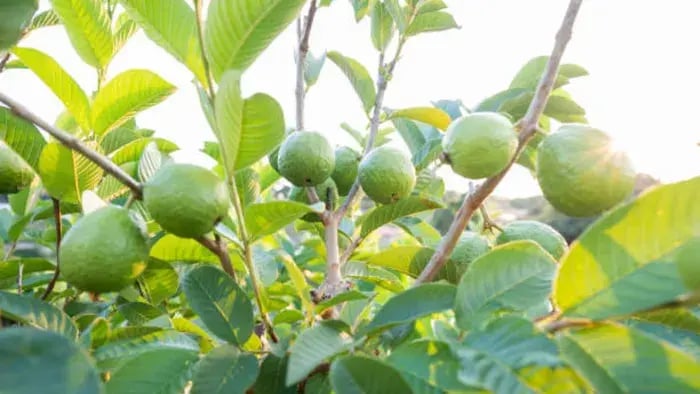
Guava
According to a study published in Pharmacogn Rev. (2017), guava provides several times the daily vitamin C requirement for children. It also contains fibre for healthy digestion. Serve guava slices with a pinch of black salt or blend them into smoothies for a nutritious snack.
Amla (Indian Gooseberry)
Research published in Antioxidants (Basel) (2022) highlights amla as one of the richest natural sources of vitamin C and antioxidants. Offer it as chutney, fresh juice, or sweetened amla murabba to make it more appealing for children.
Papaya
As per a study published in Nutrients (2019), papaya provides vitamin C along with digestive enzymes that support healthy digestion and nutrient absorption. Fresh papaya cubes or smoothies make refreshing, child-friendly snacks.
Bell Peppers (Capsicum)
Research in Antioxidants (Basel) (2019) shows that red, yellow, and green capsicum are excellent sources of vitamin C and beneficial antioxidants. Add them to parathas, sandwiches, pasta, or lightly sautéed vegetable dishes.
Tomatoes
According to a study published in Biology (Basel) (2022), tomatoes provide vitamin C and antioxidants that support immunity and healthy skin. Include them in salads, soups, sandwiches, or homemade tomato ketchup.
Cabbage
Research published in Advances in Nutrition (2012) highlights cabbage as a good source of vitamin C and fibre. Serve it raw in salads or add it to parathas, stir-fries, and vegetable rolls for an easy nutrition boost.
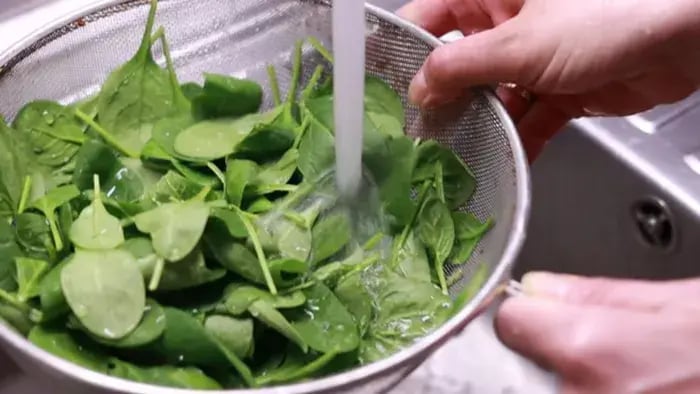
Green Leafy Vegetables
According to the National Institute of Nutrition, spinach, methi, and mustard leaves provide vitamin C along with iron and calcium, making them nutrient-rich additions to a child's diet. Include them in dals, parathas, soups, or curries regularly.
Tips to Preserve Vitamin C When Cooking
Vitamin C is sensitive to heat and can be lost during prolonged cooking. A few simple cooking habits can help preserve more of this important nutrient.
- Steam or lightly sauté vegetables instead of boiling them for long periods.
- Serve vitamin C-rich fruits like guava, papaya, and amla fresh whenever possible.
- Cook vegetables for the shortest time needed to retain their nutrients.
- Cut fruits and vegetables just before serving to minimise nutrient loss.
- Use leftover cooking water in soups or gravies whenever appropriate to retain water-soluble nutrients.
Conclusion
Many vitamin C foods for kids are already found in everyday Indian kitchens. Guava, amla, papaya, bell peppers, tomatoes, cabbage, and green leafy vegetables provide valuable nutrition that supports healthy growth and immunity. By rotating these foods through regular meals and snacks, parents can ensure children enjoy a varied diet while getting enough vitamin C naturally. Simple, balanced food choices made every day can go a long way in supporting lifelong health.
Frequently Asked Questions
How much vitamin C does a child need daily?

Daily vitamin C needs vary with age. Most children can meet their requirements by eating a balanced diet rich in fruits and vegetables.
Can kids get enough vitamin C without eating citrus fruits at all?
Yes. Guava, amla, papaya, bell peppers, tomatoes, cabbage, and leafy greens are excellent non-citrus sources of vitamin C for children.
What are signs that a child might have low vitamin C intake?
Low vitamin C intake may lead to frequent illness, slow wound healing, bleeding gums, tiredness, or poor skin health. Consult a paediatrician if symptoms persist.
Her love for storytelling began with reading her grandfather’s speeches, where Tarishi saw the power of words in creating lasting memories. Combining her passions for food and writing, she has turned her life into a fulfilling path of sharing stories that celebrate flavours and how food brings communities together.
The views expressed are that of the expert alone.
Popular Topics