




 Parenting Guide


 Child Health & Growth


 Learning & Skills Development


 Food & Nutrition


 Bournvita




Introduction
Most of the Indian parents assume that fruits and vegetables provide vitamin D. In fact, very few plant foods contain this nutrient in any significant amount. Vitamin D is fat-soluble and is synthesized in the skin primarily by exposure to sunlight. It is also found in a select few foods. "Despite the ample sunshine, vitamin D deficiency is surprisingly prevalent in children in India. The main reasons are indoor lifestyle, sunscreen use, and low dietary intake.
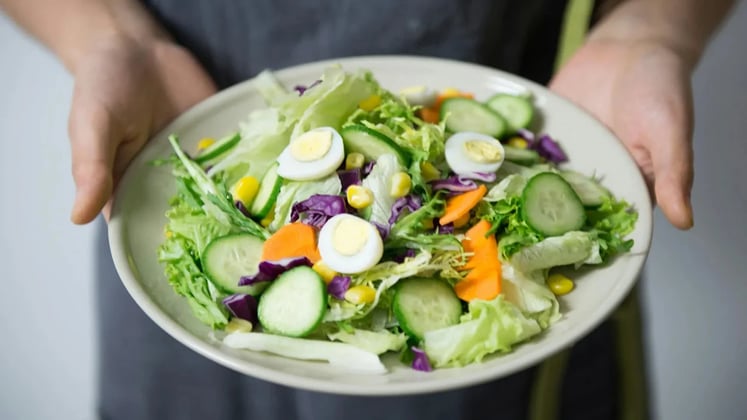
Vitamin D-deficient children are at serious risk for bone health, immunity, and focus. Many Indian parents are unaware that their child might already be deficient. Vitamin D foods are not the fruits and vegetables most parents think they are—they are a different category altogether. This article is about Indian families and the real food sources of vitamin D: fruits and vegetables. It also contains the best hydrating summer fruits to serve them with. Knowing this difference protects your child’s health and can help you plan smarter meals. It doesn’t take expensive supplements or drastic changes to your diet to get this right. Simple, regular food choices can make all the difference to your child’s vitamin D levels, day in and day out.
Why Vitamin D Is So Important for Growing Children
Vitamin D has four important roles in the growing child’s body. Knowing what each is helps parents take this nutrient seriously.
- Vitamin D’s best-known function is in bone development. It helps the body absorb calcium; without it, even a high calcium intake is useless. Vitamin D deficiency in children can cause rickets, a disease characterised by soft, weak, and deformed bones.
- Another important function is immune function. Vitamin D-rich foods help activate the immune cells that defend against infections and seasonal illness. Children who eat too little get sick more often and recover more slowly than children who eat enough.
- Vitamin D status is directly related to muscle strength in children. Symptoms of deficiency include muscle weakness, poor coordination, and decreased physical stamina in play and sports activities.
- There is growing evidence linking vitamin D levels to mood and concentration in school-aged children. New research links low levels to fatigue, poor focus, and reduced academic performance in otherwise healthy children.
- Studies suggest that 40-80% of children in India have inadequate levels of vitamin D. For Indian families today, it is one of the most important nutrient gaps to fill.
Indian Foods That Genuinely Provide Vitamin D
No fruit or vegetable is a significant source of vitamin D. These everyday Indian foods do have vitamin D—and most are already in your kitchen or local market.
- Egg Yolks – One of the easiest and most reliable sources of vitamin D for Indian children. Each egg yolk contains approximately 37-44 IU of vitamin D, along with healthy fats that help with absorption. This is a good way to add this daily: scrambled eggs or Anda bhurji or egg curry. The yolk is the important part—there's hardly any vitamin D in the white at all. Eat eggs three to four times a week to make a consistent and meaningful contribution. This is a measurable benefit for regular egg consumers in achieving their vitamin D requirement.
- Fortified Milk – Most commercial milk in India is now fortified with vitamin D. A single serving of fortified milk contains about 100-150 IU, again depending on the type of milk. Adding Bournvita or a similar supplement to fortified milk creates a synergistic blend. The fat in full-cream milk helps the body absorb vitamin D more easily. Make this a regular morning habit for school-going children of all age groups. Not all milk brands are fortified with vitamin D so check the label to see if it is.
- Mushrooms (Sun-Exposed) - In India, this is the only plant-based source of vitamin D. Vitamin D2 is a significant source of vitamin D from mushrooms if you expose them to sunlight before cooking. Button and oyster mushrooms exposed to direct sunlight for 15 to 20 minutes become veritable vitamin D foods. This is an especially important option for vegetarian Indian families who leave out eggs and dairy. Add mushrooms that have been exposed to the sun to sabzi, stir-fries, and soups two to three times a week. This one food choice can make a huge difference in vitamin D intake for vegetarian households.
- Fortified Cereals and Oats — Many breakfast cereals and oats available in India are now fortified with vitamin D. Combined with fortified milk, these make a convenient and child-friendly morning option. Always check the nutrition label for vitamin D before purchasing any cereal brand. In Indian cities, supermarkets and online platforms are well-stocked with fortified options. They are best eaten as part of a full breakfast, not as a meal in themselves or a nutritional fix. So eating these daily consistently and reliably builds up your vitamin D intake over weeks.
- Fatty Fish — Salmon, mackerel, and sardines are some of the best natural sources of vitamin D across the world. Vitamin D intake is substantially increased in coastal Indian families with the inclusion of fish 2-3 times/week. A small serving of sardines, which are cheap and readily available across India, provides more than 200 IU of vitamin D. In addition, the omega-3 fatty acids in these fish promote brain development and heart health at the same time. If you live inland, canned sardines and tuna are available and low-cost options to experiment with. Gradually introduce these to children who don't know fish as part of their weekly regular meals.
Best Hydrating Summer Fruits to Serve Alongside Vitamin D Foods
1. Watermelon — 92% Water Content, Perfect for Summer Hydration
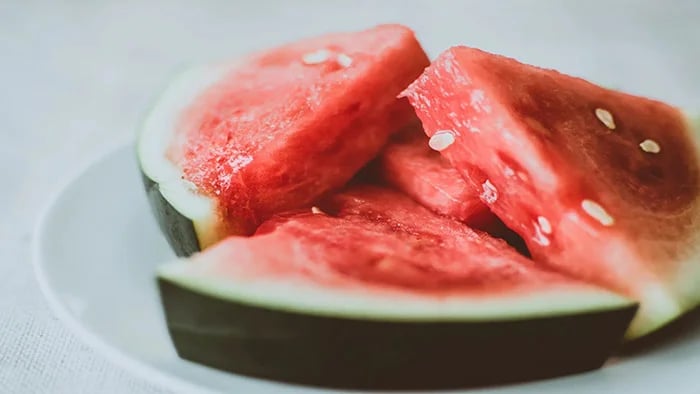
Watermelons contain 92% water – a great source of hydration during Indian summers. It doesn’t provide vitamin D but does provide lycopene, a potent antioxidant that has been associated with heart health and cell protection. Watermelon paired with vitamin D foods makes for a refreshing summertime plate for kids. Vitamin C in watermelon helps with immunity, just like vitamin D. Serve chilled as slices or popsicles or make a fresh juice or a simple raita with curd and mint. After an egg-based lunch, a bowl of watermelon is cooling and nutritionally complementary for growing children. If your kids are active outdoors in the summer, this is the level of hydration they need consistently throughout the day.
2. Pears — A Cooling, Fibre-Rich Fruit Kids Love
Pears are one of the most hydrating fruits you can eat all year round, with a water content of around 84%. They don't have any real vitamin D in them but are a great source of dietary fiber and vitamin C. Vitamin D foods should be combined with fiber-rich foods to help the digestion process and overall nutrient absorption throughout the day. Pears are easy on young stomachs and are great for kids of all ages, including toddlers. In many Asian households, the careful peeling of a pear for a child is a quiet act of love and nourishment. Pair sliced pears with fortified milk or an egg breakfast for a balanced, hydrating morning meal. Natural sweetness makes pears one of the easiest fruits to add to a child’s daily diet.
3. Blueberries — Antioxidant-Rich Topping for a Vitamin D Breakfast
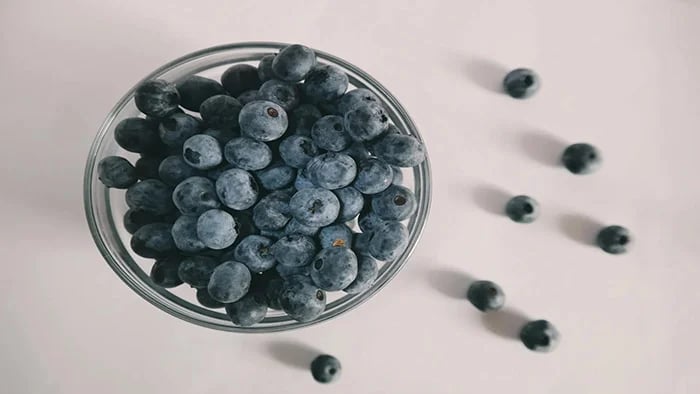
Blueberries are one of the highest antioxidant-containing fruits on the planet. They don’t have vitamin D — but they pair well with vitamin D foods at breakfast. For a nutrient-layered breakfast, toss some blueberries into a bowl of fortified cereal or vitamin D-fortified yogurt. Vitamin D fruits and vegetable combos such as this maximize the total nutritional value of any meal. Blueberries also contain vitamin C and manganese, which can boost immunity and bone health in growing children. Their dark blue color means they are high in anthocyanins, compounds known to lower inflammation and oxidative stress. Even a small handful a day contributes significantly to a child’s antioxidant intake during the summer months.
4. Avocado — Healthy Fats That Help Absorb Vitamin D
Avocado doesn’t have much vitamin D, but it does something even more useful. It’s loaded with healthy monounsaturated fats that actually help your child’s body absorb the vitamin D from other foods in the same meal. Vitamin D is fat-soluble, which means it cannot be absorbed without fat in the digestive system. The combination of avocado and eggs, also known as avocado egg toast, is one of the most optimized vitamin D food combinations out there. This is a really informative, science-backed meal choice that most of Indian parents don’t know about yet. Avocado is also good for brain development because of its healthy fats. That is why it is considered to be a very good food for children who are going to school. To maximize absorption, include avocado two to three times a week along with your child’s main vitamin D food sources.
5. Cucumber — The Most Hydrating Vegetable for Hot Indian Summers
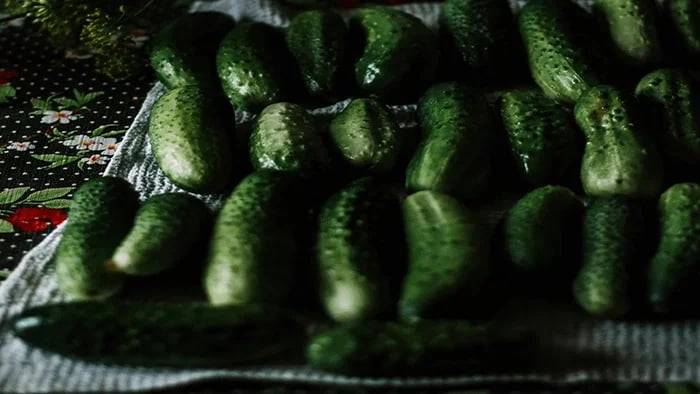
The cucumber has the highest water content of any solid food in India at about 96%. It contains almost no vitamin D, but its cooling and hydrating properties make it the perfect summer companion. Cucumber contains vitamin K, which helps strengthen bones and works with foods rich in vitamin D to do so. Serve as raita, fresh juice or just sliced sticks with a squeeze of lemon and black salt. Children playing outside in summer need regular hydration – and a cucumber is one of the easiest solutions available. The cooling nature of the cucumber is a great addition to vitamin D fruit and vegetable combinations, especially in the hot and humid weather of India. It’s no-cook, no-skill and costs pretty much nothing, so it’s perfect to include on a daily basis.
6. Tomatoes — Lycopene-Rich and Naturally Hydrating
Tomatoes are 95% water and they contain lycopene, an antioxidant that’s good for your heart and your cells. They don’t contain any significant vitamin D – the old claim was wrong, and has been removed. But in Indian cooking, tomatoes are a beautiful match for eggs — anda bhurji, egg curry and shakshuka-style dishes. That natural pairing links tomatoes to vitamin D foods in a culturally relevant and nutritionally sound way. Tomatoes are also a bonus for nutrition as the vitamin C helps absorb iron when eaten with iron-rich foods. Add tomatoes to your child's meals daily for hydration and antioxidants, not as a source of vitamin D. Their versatility in Indian cooking makes them one of the easiest nutrition wins for parents day in and out.
Conclusion
Vitamin D, which comes from sunlight and some foods, is not generally considered to be derived from fruits and vegetables. Parents can help support their child’s vitamin D status by providing daily outdoor play and including egg yolks, fortified milk and sun-exposed mushrooms in the diet, along with hydrating summer fruits like watermelon and cucumber. You don’t have to look for expensive or exotic foods for Vitamin D. In fact, these are simple everyday choices that you will find in any Indian kitchen or market. Consistency is important – little bits every day add up to meaningful protection against deficiency over weeks and months. For more on TJK and expert-backed nutritional guidance for Indian families, read our articles on Vitamin A Foods for Kids and Ways to Boost Your Kid's Gut Health.
Frequently Asked Questions
Do fruits and vegetables contain vitamin D?

Nope. Most fruits and vegetables contain very small amounts of Vitamin D. Egg yolk, fortified milk, mushrooms exposed to the sun, fatty fish and fortified cereals are all real sources and are readily available in India.
How can Indian kids get enough vitamin D from food?
Regularly include egg yolks, fortified milk and sun-exposed mushrooms. And, too, daily outdoor play in the morning sunlight helps. These combined approaches are meaningful in addressing the vitamin D deficiency prevalent in Indian children today.
What is the daily vitamin D requirement for children in India?
The ICMR recommends a daily intake of 600 IU for children in the age group of 1-18 years. Most Indian children are far below this by diet and exposure to sunlight alone without intentional dietary effort.
Are mushrooms a good source of vitamin D for vegetarian children?
Yes, exposed to the sun before cooking. Mushrooms exposed to sunlight for 15-20 minutes have significantly higher levels of Vitamin D2. It is the best plant-based Vitamin D option for Indian vegetarian families.
Which hydrating fruits are best for kids in Indian summers?
The most hydrating fruits and vegetables are watermelon, cucumber, pears, and tomatoes. They are a great source of water, Vitamin C, antioxidants and fibre – perfect accompaniments to Vitamin D-rich meals during hot Indian summer months.
Smriti is a content writer who creates clear, practical, and informative content backed by science and relevant data. With a strong understanding of structured writing, she breaks down complex topics into simple, actionable insights. Her work is focused on helping readers prepare, learn, and grow with confidence and clarity.
The views expressed are that of the expert alone.
Popular Topics