




 Parenting Guide


 Child Health & Growth


 Learning & Skills Development


 Food & Nutrition


 Bournvita






Introduction
Every parent wants their child to grow up healthy, confident, kind, and emotionally secure. However, there is no perfect parenting formula that works for every family. Each child has different emotional needs, learning styles, and personalities. This is why building strong communication and understanding becomes important from an early stage.
Developing healthy habits for kids through supportive routines, emotional care, and consistent guidance can help children feel secure and valued. Good communication, patience, and trust also strengthen the parent-child relationship over time. Instead of focusing on perfection, parents should aim for balanced care, emotional connection, and supportive routines. Thoughtful, good parenting and healthy family interactions help children develop confidence, discipline, emotional stability, and positive behavior patterns for the future.
What Does It Mean To Raise A Healthy Child?
Raising a healthy child involves supporting their physical, emotional, mental, and social well-being. Healthy children require nutritious food, proper sleep, emotional support, learning opportunities, and positive family interaction. Parenting also plays a major role in shaping behavior, confidence, communication skills, and emotional security.
Children learn habits, reactions, and values from their surroundings and family environment. This is why positive parenting approaches focusing on patience, trust, and understanding are important. There is no perfect parenting style because every child grows differently and responds uniquely to situations. Flexible approaches, emotional awareness, healthy communication, and strong routines help children feel supported while improving confidence and overall development throughout childhood.
Importance of A Strong Parent-Child Relationship
A healthy parent-child relationship supports emotional stability, communication, confidence, trust, and better overall childhood development during growing years.
Trust and Communication
Open communication helps children express emotions comfortably while building stronger trust, understanding, and healthier family relationships throughout childhood development stages.
Emotional Security
Children feel emotionally secure when parents provide comfort, attention, patience, and support during regular learning experiences and difficult emotional situations.
Long-Term Behavioral Impact
Strong emotional connections improve confidence, social behavior, communication skills, and emotional balance, while supporting healthier long-term outcomes in childhood development.
Top Parenting Tips To Raise A Healthy Kid
Simple routines, emotional support, healthy communication, and consistent guidance help parents successfully foster balanced childhood growth and positive behavior.
Listen with Empathy and an Open Mind
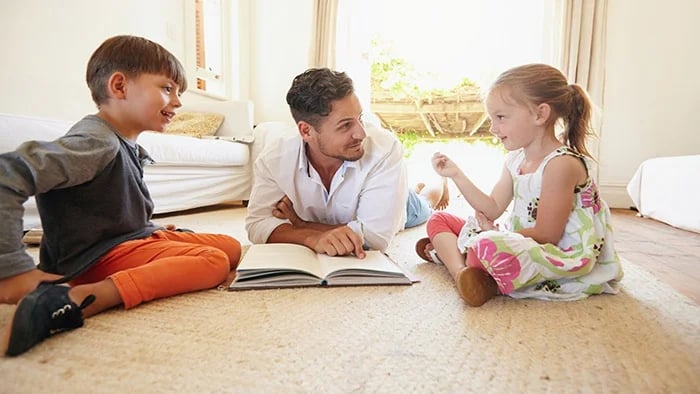
Parents are often strict figures in the lives of their kids, and the latter feel scared to approach them for help or advice. As a result, children often feel shut down and have pent-up resentment. To avoid these circumstances, establish open communication with your children. They should have enough trust in you to come to you with any problem, be it a fight with their bestie or boy trouble. Try to keep a patient and open mind while listening to their proposals and problems; this will establish a safe zone for them.
Spend Quality Time With Your Kids On A Regular Basis
No matter how busy you are, try to keep a part of the day for an activity with your kid. It can be something as small as watching a show together daily or playing a game together. However, bonding is required between kids and parents, with minimal unresolved conflicts in the long run, to ensure a healthy kid. Just like scoldings and chastisements, fun moments and activities should also pepper your relationship.
Set Boundaries with Consistent Discipline
Growing up, your kid should know their boundaries and maintain household discipline. Be they six or sixteen, they should not slam doors or barge into a room without knocking. Manners are developed when limits are established clearly. You do not need to intimidate your children to discipline them physically. Their respect for you should command it, as much as their fear of being punished. But ensure you keep your calm while disciplining, as losing your temper ruins all positive effects.
Involve Kids in Daily Activities Like Cooking
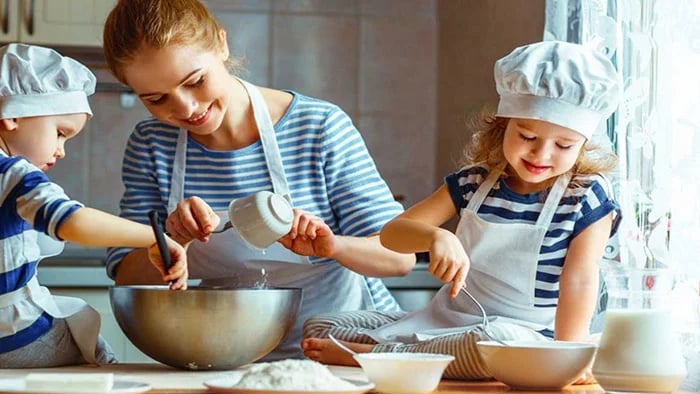
Your children will develop a better bond with food if they are involved in making it. Let them touch, smell, feel, and recognize vegetables, fruits, spices, and grains. Once they understand and identify them, they will automatically be intrigued to give it a try. As for the taste and plating, that depends on your culinary expertise and love. This will help prevent eating disorders, food allergies, and intolerances and improve their self-esteem and confidence.
Create a Family Digital Detox Routine
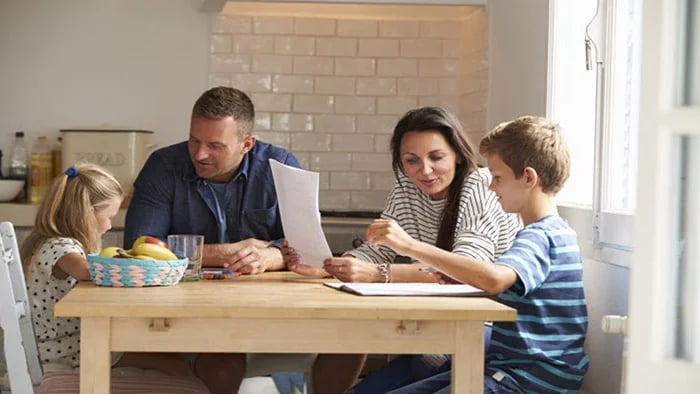
Set time aside every day for family detox time. Begin with 30 minutes before extending for longer periods according to convenience but maintain consistency. There are no different rules for parents or children. This will make your kids respect your diligence and honesty while also helping them detach from the virtual world. Use this time to play family board games, have movie nights, or go on an outing. But make sure your kids have a few emergency numbers memorized, just in case.
Build Honesty and Mutual Trust
Honesty must go both ways. If you have an open and honest relationship with your child, only then will they learn to trust you back with their privacy. But remember, you cannot employ their privacy by any means, whether to teach them a lesson later or punish them. When trust is being established, other lessons must wait. And this also helps raise healthy kids with zero trust issues.
Appreciate Effort and Encourage Growth
Appreciation and validation are truly crucial for all ages. Most adults spend all their lives seeking it elsewhere due to a lack of it in childhood. You need not celebrate every participation certificate, but you might appreciate their effort with a special homemade barfi for dessert. This does not make them weak but teaches them they have someone to rely on in times of despair and failure. And this belief is important in the 21st century. Validate small milestones of achievement, like cleaning their room, making their dinner, or just doing homework with positive words. This will make them feel seen and valued and inspire them to do better.
Healthy Habits for Kids to Build Early
Building strong routines and positive behaviors early helps children develop discipline, confidence, emotional balance, and healthier everyday lifestyle patterns successfully.
Balanced Diet
Nutritious meals with vegetables, fruits, grains, protein, and hydration support energy, growth, stronger immunity, and healthy childhood development.
Sleep Routines
Regular sleep schedules improve mood, concentration, physical recovery, emotional regulation, and overall wellness during important developmental stages for children.
Physical Activity
Daily movement through sports, games, dancing, or outdoor play supports fitness, coordination, confidence, and emotional well-being for growing children.
Hygiene Habits
Teaching handwashing, dental care, bathing, and cleanliness helps children maintain personal hygiene and effectively reduce the risk of infections and illnesses.
Positive and Gentle Parenting Techniques
Positive parenting and gentle parenting focus on emotional support, understanding, respect, and communication rather than fear-based punishment.
Encouragement Over Punishment
Encouraging positive behavior helps children learn responsibility and confidence better than frequent punishment, criticism, or emotionally harsh reactions.
Emotional Validation
Understanding children’s emotions helps them feel heard, respected, emotionally secure, and comfortable expressing their feelings in difficult situations or when frustrated.
Respect-Based Discipline
Respectful discipline teaches children boundaries through calm communication, patience, and guidance rather than shouting, fear, or physical punishment.
Mindful Parenting: Being Present with Your Child
Mindful parenting helps parents create stronger emotional bonds through focused attention, patience, understanding, and healthier communication during everyday family interactions.
Reducing Distractions
Limiting mobile devices and unnecessary distractions allows parents to focus more on conversations, activities, and emotional connections with children.
Active Listening
Listening carefully without interruption helps children feel valued while improving trust, emotional expression, and consistent communication within family relationships.
Emotional Awareness
Recognizing emotional changes helps parents respond calmly and support children through frustration, stress, fear, or sadness more effectively during growth stages.
Parent Guidance for Raising Emotionally Strong Kids
Proper parent guidance supports emotional stability, confidence, resilience, independence, and healthy coping skills during childhood development and everyday learning experiences.
Teaching Resilience
Helping children handle challenges calmly improves emotional strength, confidence, patience, and healthier responses during stressful or disappointing situations.
Handling Failures
Teaching children that mistakes are part of learning helps improve confidence, emotional balance, and willingness to keep trying after setbacks.
Encouraging Independence
Allowing children to complete small tasks independently supports responsibility, confidence, decision-making skills, and healthy emotional development throughout childhood stages.
How to Reduce Screen Time for Kids Effectively
Parents searching for ways to reduce screen time for kids should focus on balanced routines, engaging activities, and healthier family interaction habits.
Setting Limits
Clear rules for screen usage help children develop healthier routines while improving focus, sleep quality, and emotional balance throughout their regular schedules.
Alternative Activities
Board games, storytelling, crafts, sports, music, reading, and outdoor play provide healthier alternatives to excessive mobile or television use daily.
Role of Parents as Examples
Children observe adult habits closely, so parents should also maintain balanced screen usage and encourage more family interaction regularly.
Common Parenting Mistakes to Avoid
Certain parenting habits may affect confidence, communication, emotional security, and healthy childhood behavior if repeated frequently over long periods.
Over-Controlling Behavior
Excessive control may reduce confidence and independence while making children fearful of expressing thoughts, emotions, or personal choices openly.
Lack of Consistency
Changing rules frequently may confuse children and make it harder for them to understand expectations, discipline, and healthy behavioral boundaries.
Ignoring Emotional Needs
Children require regular emotional support and attention because ignored feelings can affect confidence, communication, and emotional security over time.
Parenting Tips for New Parents
Useful parenting tips for new parents can help families adjust better while supporting emotional balance, routines, communication, and healthier parenting approaches.
Adjusting Expectations
Children develop gradually, so parents should focus on progress, emotional connection, patience, and realistic expectations rather than perfection.
Building Routines
Simple routines for meals, sleep, learning, and activities help children feel secure and improve family organization effectively over time.
Managing Stress
Parents should prioritize rest, support systems, and emotional balance because calmer adults communicate better during parenting challenges and stressful situations.
Conclusion
There is no perfect parenting method because every child grows differently and requires unique emotional support. Balanced care, patience, healthy communication, and emotional connection help children feel safe and valued. Consistent routines, supportive guidance, and flexibility are important parts of raising confident, emotionally secure, and healthy children in today’s busy world.
Frequently Asked Questions
What are the best parenting tips to raise a healthy child?

The best tips include balanced nutrition, routines, emotional support, communication, outdoor play, healthy sleep habits, and consistent family interaction.
How can parents build strong relationships with kids?
Strong relationships develop through trust, communication, patience, emotional support, active listening, and regular, meaningful time spent together as a family.
What are healthy habits for kids?
Important healthy habits for kids include balanced meals, adequate sleep, physical activity, hygiene routines, emotional expression, and daily limits on screen exposure.
How do you reduce screen time for children?
Parents searching for ways to reduce screen time for kids can set limits, encourage activities, and become healthier role models themselves.
What is positive parenting?
Positive parenting focuses on emotional support, respectful communication, encouragement, patience, and guidance rather than punishment or fear-based discipline.
Kaushiki Gangully is a content writing specialist with a passion for children's nutrition, education, and well-being. With more than five years of writing experience and a science-based background, she provides nuanced insights to help families raise happy, healthy kids. Kaushiki believes in making learning and healthy eating fun, empowering parents with practical, easy advice.
The views expressed are that of the expert alone.
Popular Topics