




 Parenting Guide


 Child Health & Growth


 Learning & Skills Development


 Food & Nutrition


 Bournvita




Introduction
Character is shaped long before achievements and awards, in the daily actions that gradually show others how kids are seen, trusted and respected. Grades in the classroom matter, but it is the way kids carry themselves in life that leaves a real lasting impression. The way they speak, listen with an open mind, respond with kindness and show respect. All these things are the foundation for the friendships they make, the leaders they become, and all the good opportunities that are out there. This is why it is important to understand the importance of good manners, which goes beyond classroom discipline.
In school, at home and even online, how kids behave shows what is important. Teachers appreciate it when kids communicate politely. Friends value being kind and honest. Families will definitely take note of kids who are responsible and show some gratitude. These little habits build confidence and emotional strength over time. Helping kids to practice 10 good manners for students, will help them to develop skills that help them grow as a person and get on in life.
This guide introduces good manners for students, a lifelong skill and not just rules to follow. You can even make a little chart at home to remind kids to keep up the good work every single day.
Why Good Manners Matter For Students
Kids experience school in a whole new way when good behavior becomes the norm. Classrooms are about creating a respectful, collaborative and communicative environment where everyone feels valued. Good manners for students makes all the difference, helping to create a calm and positive space where discussions flow and everyone gets a chance to have their say.
A simple 'please', 'thank you' or even just a bit of respect can prevent all sorts of problems between classmates. And teachers appreciate it when their students show some respect, when you treat them with kindness, they are so much more likely to respond positively and actually encourage you to ask questions and put forward your ideas. This all helps to boost class participation and academic confidence in a big way.
Child psychology shows that if parents reinforce good behavior, that behavior will just keep on growing. When you acknowledge and appreciate good manners, with words or a good habits and good manners chart.
How 10 Good Manners Help To Build Character and Confidence
Good character is all about the everyday choices and when kids develop 10 good manners, it starts to shape who they are. It's the little things like greeting teachers, saying sorry when they need to and helping out their classmates that all add up to build a sense of integrity. And the more they do this, the more reliable and kind they become.
Feeling accepted and respected by their classmates gives kids the confidence to take part in class and speak up when they need to. When they are polite and people respond positively, they start to feel much more at ease. And the thing is, when kids develop good manners they start to see themselves in a whole new light - they start to feel capable and valued, which makes all the difference to their performance at school and how they grow as people.
10 Essential Good Manners Every Student Should Know
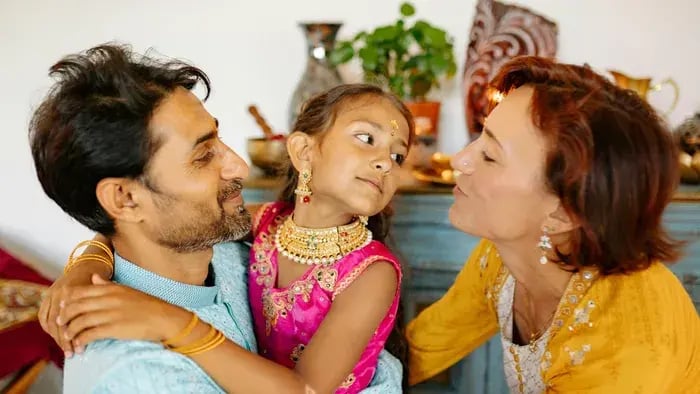
Here is a list of 10 good manners that every child should learn to have a positive schooling experience and build essential relations in their everyday life.
Respecting Elders and Teachers
Encouraging your child to be always respectful towards elders is a critical life lesson that may also teach them the importance of appreciating others for their valuable guidance and help. It may integrate a sense of gratitude and kindness among kids and make them understand the value of giving and receiving respect. A child who continuously respects their grandparents, parents, teachers, and other elders is also able to facilitate positive relations with everyone around them.
The Magic Words: Please, Sorry, and Thank You
The most powerful words are often the simplest ones. When you say "please" , you're showing respect when you ask for something. Saying "thank you" is a pretty straightforward way to express your gratitude. And when you mess up, saying "sorry" is a surefire way to take responsibility for your actions. The impact of these tiny phrases on relationships with teachers, classmates, family members, and your kids, cannot be overstated.
Classroom Etiquette and Punctuality
Classroom etiquette is all about keeping things fair and in order. Teaching your kids to raise their hand before speaking is a great way to show they are patient and respectful. And not interrupting others, shows empathy and self-control. Punctuality says a lot about discipline, turning up on time shows that you respect teachers and your peers, and helps prevent any disruption in class.
Table Manners and Dining Etiquette
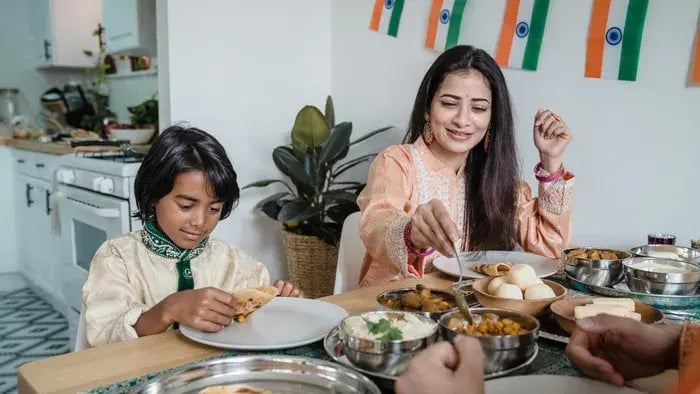
Table manners are a sign of respect and self-discipline. Chewing with your mouth closed, and avoiding loud sounds during meals shows you are considerate of the people around you. And waiting until everyone's served before you start to eat, teaches patience and consideration. Sitting properly at the table, and using the right utensils can also boost confidence in social situations.
Digital Etiquette for Online Learning
When kids are learning online, the same rules of politeness apply as if you were in a real classroom. So muting the mic when they are not speaking and using good language in chat boxes is a great way to keep things respectful. Digital etiquette also means keeping your eyes on the lesson and avoiding every distraction that comes up in the form of a web browser. When your kid follows the rules of netiquette, teachers and classmates will appreciate it, and it will help your kid develop the discipline they need to navigate the online world in the future
Hygiene and Cleanliness
Personal hygiene is very important for kids to learn, it helps to boost their self esteem and confidence. Washing their hands before and after every meal, wearing clean clothes, taking a bath daily and keeping the hair neat and clean. These habits not only are good and healthy for your kids but it also helps to portray the importance of personal hygiene to other kids.
Honesty and Accountability
“Honesty is the best policy” is a phrase that every kid has heard from their teachers, parents and other elderly. But for kids it is about accepting their mistake and the fear of punishment. Which is why parents and teachers should explain to kids how telling the truth is about showing courage and willingness to take responsibility for their actions.
Kindness and Empathy
Kindness is the foundation of a strong friendship and it also becomes a safe environment for everyone. Helping classmates, leading things like a pen or encouraging them to do good are simple actions that make a big difference. Kindness and empathy creates a space where kids can talk and grow together.
Respecting Public Property
Public property are shared resources like desk, classroom, library, playground and other places where everyone is welcomed. Kids need to know that keeping these places clean is not anyone's job but everyone's job. Parents can teach kids to scribble on desks and keep the book in the library properly, kids can also help other kids to maintain these spaces. This way kids will easily learn civic awareness and the importance of cleanliness.
Being a Good Listener
Good listening is about paying attention to what they're saying, understanding what they mean, and responding in a thoughtful way. When kids learn to listen carefully, they tend to get fewer miscommunications and actually do better in school. Good listeners make eye contact and avoid distractions, and it helps build stronger, more meaningful relationships.
How Parents Can Teach Good Manners at Home
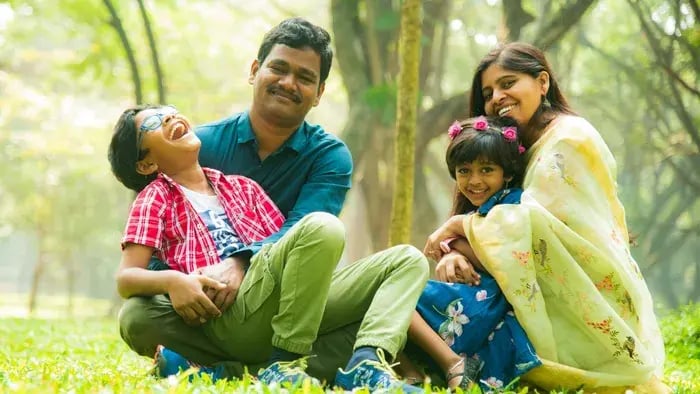
Teaching good manners for students at home makes a child a gentleman, as home is where learning begins from the start. It is important for children to navigate the communication at home first and then act right outside with mannerism, understanding, and etiquette.
- Parents can introduce manners that every child should learn by modeling polite language and respectful actions daily.
- Consistent routines help children understand expectations around behavior and discipline.
- Praising positive actions reinforces respectful habits and builds confidence.
- Clear boundaries teach children accountability for their words and actions.
- Open discussions about emotions and empathy encourage thoughtful behavior at home and beyond.
- Parents can add a bit of creativity to kids learning with a good habits and good manners chart. This way kids learn good manners and creativity.
Frequently Asked Questions
What are the 5 golden words for kids?

The 5 golden words for kids are, please, thank you, sorry, excuse me and pardon me. These simple words teach kids respect, gratitude and patience.
Why are table manners important?
Table manners are important because it showcases a sense of respect to others. Chewing politely, waiting for others and not making a mess, are simple manners that create a pleasant environment.
How do I teach my child to be polite?
Teaching kids how to be polite requires constant molding and positive reinforcement. Parents have to make sure that their kids are not disrespectful to others. Parents should gently correct kids' mistakes and teach them the polite way to speak to others.
Pakhi writes with the belief that dessert isn’t just a dish—it’s a mood. Her work blends storytelling with tips, turning timeless treats and trendy bites into accessible moments of comfort, celebration, and creative expression.
The views expressed are that of the expert alone.
Popular Topics