




 Parenting Guide


 Child Health & Growth


 Learning & Skills Development


 Food & Nutrition


 Bournvita






Introduction
Cold and cough become common concerns for children during the winter season, especially when temperatures drop and immunity is challenged. Parents often notice frequent sneezing, throat irritation, or low energy during these months. Winter increases the body’s need for nourishing foods that support natural defense systems and keep kids comfortable through daily routines. Choosing appropriate foods plays an important role in helping children cope better with seasonal changes and reduce the risk of recurrent infections.

Parents can support kids by focusing on foods that are warm, easy to digest, and rich in immunity-supporting nutrients. Winter-friendly foods help soothe the throat, improve digestion, and strengthen the body’s ability to fight common infections. Simple additions like warm soups, mild spices, and seasonal fruits and vegetables can make daily meals more protective without changing eating habits drastically, and absorb iron better, which contributes to strength and recovery.
Preventing cold and cough is not about strict food rules or heavy eating. It concerns consistency, balance, and selecting foods that work gently with the body during winter. Parents can include these foods in regular meals, snacks, or drinks so kids receive steady support throughout the day. Warm, nourishing choices also improve appetite and comfort, making kids more willing to eat well even during colder days. With thoughtful food planning, winter becomes easier to manage, helping kids stay healthier, more active, and better protected against seasonal illnesses.
7 Winter Foods That Help Reduce Cold and Cough in Kids
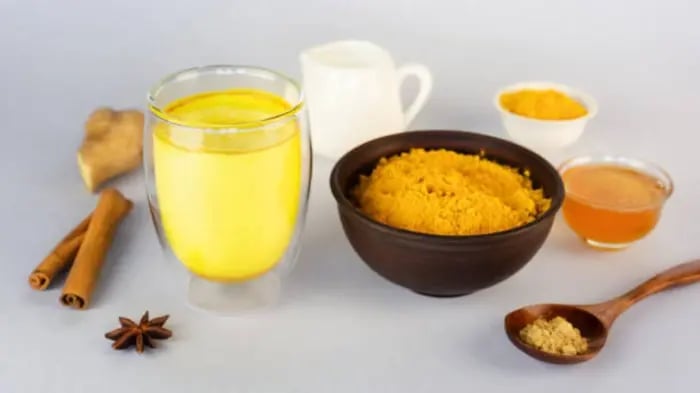
Cold weather often brings recurring sniffles, cough, and throat discomfort for kids. During winter, immunity can feel low due to temperature changes, reduced sunlight, and slower digestion. Parents can support kids by choosing foods that naturally warm the body, soothe the throat, and strengthen internal defenses. These foods are most effective when consumed regularly, not only when symptoms appear.
Turmeric Milk (Haldi Doodh)
Turmeric milk is one of the most trusted winter foods parents rely on to reduce cold and cough in kids. Warm milk helps soothe the throat, while turmeric supports the body’s natural defense system. According to the National Institutes of Health (NIH), calcium in milk supports bone health, and turmeric is known for its role in easing throat irritation. Serving this drink at night helps kids relax and sleep better, which is important for immunity. A pinch of turmeric with warm milk and a little jaggery works well. Regular intake during winter supports recovery and reduces frequent throat discomfort.
Ginger and Tulsi Drink
Ginger and tulsi are commonly used winter ingredients that help reduce cough and congestion. Parents can prepare a mild drink by boiling crushed ginger and tulsi leaves in water. As per a study published in Am J Respir Cell Mol Biol. 2013, ginger supports digestion and warmth, while tulsi helps soothe the respiratory tract. This combination supports immunity and reduces throat irritation. Warm herbal drinks also improve hydration, which helps flush out toxins. Offering this drink once a day during winter can help children remain comfortable and reduce recurrent cold symptoms without strong flavours or additives.
Vegetable Soup
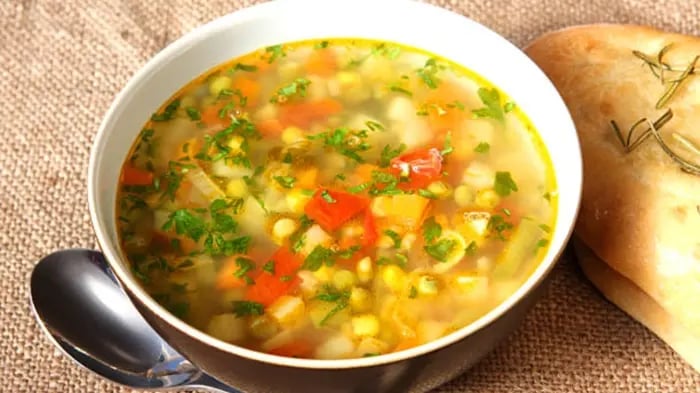
Vegetable soup provides warmth, hydration, and essential nutrients in one simple dish. Parents can use vegetables like carrots, beans, pumpkin, and spinach to prepare light soups. According to a study published in Nutrients. 2023, these vegetables provide Vitamin C, which supports immunity and helps the body absorb iron better. Warm soups are easy to digest and soothing for the throat. Serving soup in the evening or after school helps kids stay nourished without heaviness. Regular consumption supports immune function and reduces the risk of frequent coughs and colds during winter.
Garlic Soup
Garlic soup is a warming option that supports immunity during winter. Research published in Front Nutr. 2023, shows that garlic is known for helping the body fight infections and reducing congestion. Parents can prepare a light garlic soup with minimal spice to suit kids’ tastes. Warm garlic soup may help clear the throat and support digestion. Nutritionally, garlic supports immune response and circulation. Occasional use during winter helps reduce the intensity and frequency of cold symptoms while keeping meals comforting and familiar.
Oranges and Sweet Lime (Mosambi)
Citrus fruits like oranges and sweet lime are rich in Vitamin C, which plays a key role in immunity. Parents can include these fruits as mid-morning snacks or after meals. Research shows that vitamin C supports immune cells and helps the body absorb iron more effectively, supporting strength and recovery. Fresh seasonal fruits are easy to eat and refreshing even in winter. Regular intake helps kids build resistance against infections and recover faster from a cold and cough.
Honey With Warm Water or Milk
Honey helps soothe throat irritation and calm a cough. Parents can mix a small amount of honey with warm water or milk for children over 1 year of age. Research published in Iran J Basic Med Sci. 2013 shows that warm liquids support digestion and throat comfort, while honey helps reduce dryness. This simple remedy works well before bedtime. Honey also supports immunity and provides gentle energy. Occasional use during winter helps manage a mild cough and keeps children comfortable without relying on packaged syrups.
Chicken Soup or Light Shorba (Non-Vegetarian Option)
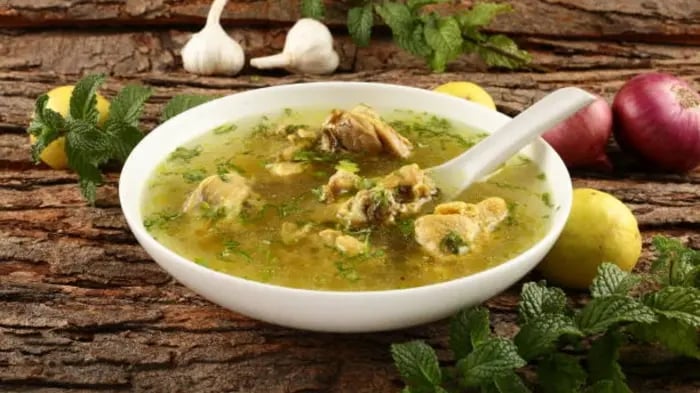
For non-vegetarian families, chicken soup or light shorba helps reduce cold and cough symptoms. According to a study published in Nutrients. 2022, clear broth provides protein that supports recovery and immunity. Warm soups help relieve congestion and maintain hydration. Parents can keep the soup lightly spiced and easy to sip. Protein supports tissue repair and immune function, helping children recover faster. Including chicken soup on cold days or in the early stages of illness provides comfort and nourishment without burdening digestion.
Conclusion
Winter brings its own health challenges for kids, but thoughtful food choices make a noticeable difference. Parents who include warm, immunity-supporting foods help reduce the risk of frequent colds and coughs. These foods to prevent colds and coughs in children are most effective when consumed regularly in daily meals and beverages. Simple, familiar ingredients offer comfort, support recovery, and strengthen natural defenses. With consistent care and balanced winter eating, kids stay healthier, more comfortable, and better protected throughout the season.
Her love for storytelling began with reading her grandfather’s speeches, where Tarishi saw the power of words in creating lasting memories. Combining her passions for food and writing, she has turned her life into a fulfilling path of sharing stories that celebrate flavours and how food brings communities together.
The views expressed are that of the expert alone.
Popular Topics