




 Parenting Guide


 Child Health & Growth


 Learning & Skills Development


 Food & Nutrition


 Bournvita






Introduction
Winter brings a higher risk of coughs, colds, and frequent infections, especially for growing kids. During this season, parents often notice energy dipping and appetite changing, which makes daily nutrition even more important. A strong immune system does not come from supplements alone. It is built slowly through everyday food choices that support the body’s natural defenses. Warm, seasonal foods play a big role in keeping kids protected and active during colder months.

Parents help shape food habits at home, and winter is a good time to focus on meals that nourish from within. Simple ingredients used regularly can support immunity, digestion, and energy without making meals complicated. According to the National Institutes of Health (NIH), foods rich in vitamin C help the body absorb iron better, while zinc supports immune cells that fight infections. Protein helps build and repair tissues, which is important for kids who are still growing. Healthy fats also matter, as they help the body use vitamins more effectively.
Immunity-boosting foods for kids in winter work best when included daily in familiar meals. Adding warm vegetables to dals, mixing nuts into snacks, or serving seasonal fruits between meals can make a difference. Consistency matters more than perfection. Small additions, repeated every day, help the immune system stay alert and balanced.
This list focuses on winter-friendly foods that are easy to find, simple to cook, and suitable for kids. Each option supports immunity in a practical way and fits naturally into everyday meals, helping kids stay healthier and stronger through the winter season.
9 Winter Foods That Help Build Stronger Immunity in Kids
Winter often brings frequent colds, low energy, and repeated infections among kids. During this season, parents play a key role in shaping daily meals that quietly support immunity. A balanced winter plate does not rely on fancy ingredients. It focuses on warm, familiar foods that nourish the body from within. Immunity-boosting foods for kids in winter help the body fight germs, support gut health, and maintain steady energy levels.
Turmeric Milk
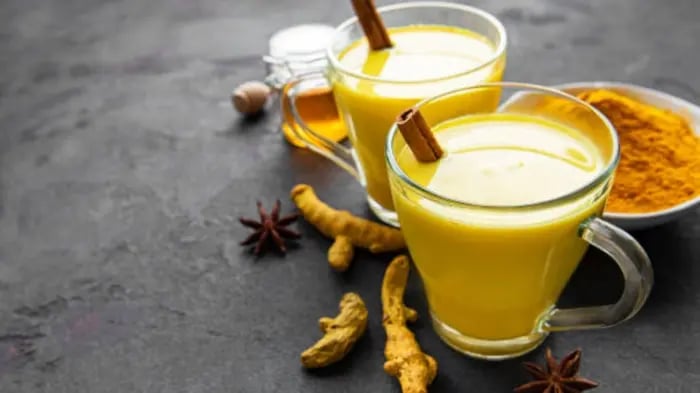
Turmeric milk is a trusted winter drink that parents often include before bedtime. Turmeric contains curcumin, which supports the body’s natural defense system. According to the National Health Mission, warm milk also helps kids feel relaxed and comfortable in cold weather. This combination supports immunity while improving sleep quality, which is important for recovery and growth. Parents can add a small pinch of turmeric to warm milk and keep the flavor mild. For kids with lactose intolerance, turmeric can be mixed into warm almond or oat milk. Regular intake during winter helps the body stay resilient against seasonal infections.
Seasonal Citrus Fruits
Oranges, sweet lime, and mosambi are rich in vitamin C, which supports immune cell function. Research published in Front Immunol. 2021, shows that vitamin C also helps the body absorb iron from foods like dals and vegetables. Parents can offer citrus fruits as mid-morning snacks or fresh juice without added sugar. These fruits help fight tiredness and support quicker recovery from colds. Including one citrus fruit daily during winter supports a steady immune system and keeps children refreshed without relying on packaged drinks or supplements.
Garlic
Garlic contains natural compounds that support the immune response. According to a study published in Front Nutr. 2023, it helps the body fight common winter infections and supports gut health. Parents can add crushed or lightly cooked garlic to dals, sabzis, or soups. Even small amounts used regularly can make a difference. Garlic also supports circulation, which helps keep the body warm during winter. Using garlic in everyday cooking is an easy way to strengthen meals without changing familiar flavors too much.
Ginger
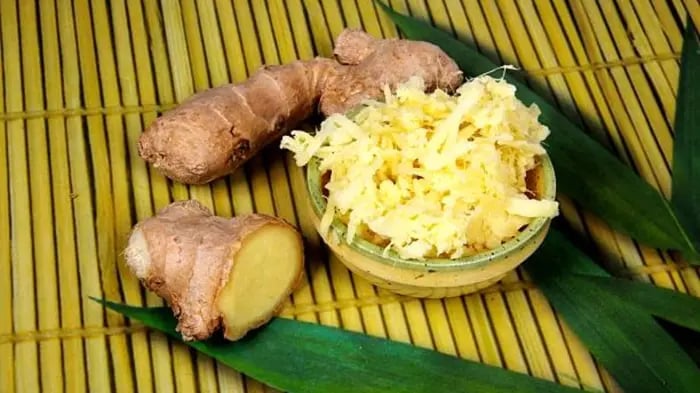
Ginger helps reduce throat irritation and supports digestion, which is closely linked to immunity. Parents often add ginger to tea, soups, or vegetable dishes during winter. It helps the body stay warm and provides relief from cough and congestion. According to the National Institutes of Health (NIH), ginger also helps control inflammation in the body. A small piece of grated food is enough to offer benefits. Regular use during winter helps kids stay comfortable and protected from seasonal discomforts.
Almonds
Almonds provide vitamin E, which supports immune cell function. They also contain healthy fats and protein that help maintain energy levels. Parents can soak almonds overnight and offer them in the morning for better digestion. As per a study published in Food Sci Nutr. 2023, almonds can also be crushed and added to porridge or homemade snacks. Regular intake supports brain health and helps the body fight infections. For kids with nut allergies, seeds like pumpkin or sunflower seeds can be safe alternatives.
Spinach
Spinach provides iron, vitamin C, and antioxidants that help immune cells stay active. Iron supports oxygen flow in the body, which helps kids feel energetic during winter. Parents can add spinach to parathas, dals, or curries in small amounts. Cooking spinach lightly helps retain nutrients. Research shows that pairing spinach with vitamin C-rich foods improves iron absorption. Regular inclusion supports immunity and overall growth during colder months.
Homemade Vegetable Soup
Vegetable soups made with carrots, bottle gourd, pumpkin, and beans provide vitamins and hydration. According to a study conducted by Pharmacogn Rev. 2017 warm soups help soothe the throat and support digestion. Parents can prepare soups with simple spices and minimal oil. Soups are easy to digest and suitable even when kids feel unwell. Including soups in evening meals during winter supports immunity while keeping kids comfortably warm and nourished.
Curd (or Plant-Based Alternatives)
Curd contains good bacteria that support gut health, which plays a major role in immunity. According to FSSAI, a healthy gut helps the body respond better to infections. Parents can offer curd during lunch in moderate amounts. For lactose-intolerant kids, plant-based curd alternatives work well. Adding roasted cumin powder improves digestion. Regular intake supports better nutrient absorption and stronger defenses throughout winter.
Jaggery
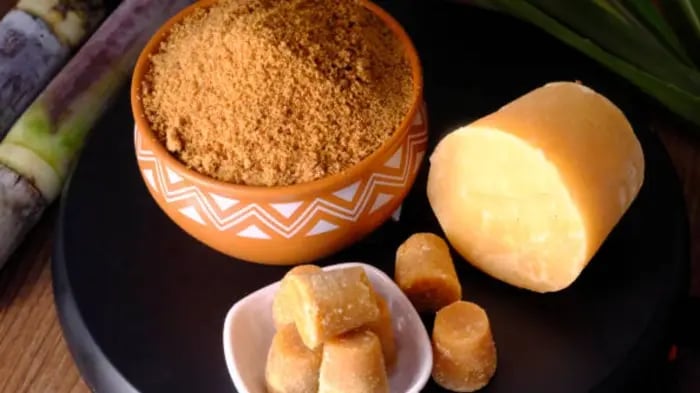
Jaggery provides iron and helps keep the body warm during winter. According to research it supports digestion and helps clear mucus when used in small amounts. Parents can use jaggery in homemade sweets, chikkis, or warm drinks. Unlike refined sugar, jaggery contains minerals that support immunity. Small portions, included a few times a week, can help maintain energy and support seasonal health naturally.
Conclusion
Winter immunity grows stronger through everyday food choices made consistently at home. Parents support kids best by focusing on warm, nourishing foods rather than quick fixes. Immunity-boosting foods for kids in winter work gently and effectively when included in regular meals. Simple ingredients like spices, fruits, greens, and warm drinks help the body stay balanced and protected. Small daily habits create lasting benefits, helping kids stay healthier, more energetic, and better prepared to handle winter challenges.
Her love for storytelling began with reading her grandfather’s speeches, where Tarishi saw the power of words in creating lasting memories. Combining her passions for food and writing, she has turned her life into a fulfilling path of sharing stories that celebrate flavours and how food brings communities together.
The views expressed are that of the expert alone.
Popular Topics